
Kenya has intensified Ebola surveillance measures at Jomo Kenyatta International Airport (JKIA) and other points of entry as the government moves to prevent the deadly virus from entering the country amid ongoing outbreaks in the Democratic Republic of Congo (DRC) and neighboring Uganda.
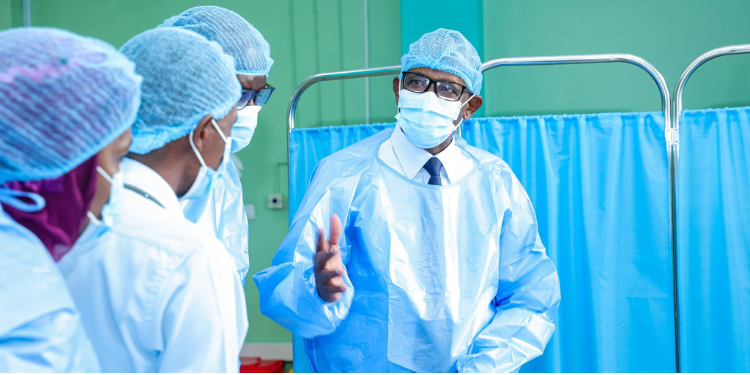
Public Health and Professional Standards Principal Secretary Mary Muthoni outlined the latest measures on Saturday, May 30, during a tour of JKIA, saying the government had significantly enhanced monitoring systems at the country’s busiest international gateway.
At JKIA, authorities have increased surveillance across all six international arrivals gates, with Gate 16 designated specifically for passengers arriving from countries considered to be at elevated risk of Ebola transmission.
”We have designated Gate 16 for flights that are coming from those countries that already have issues. We have also expanded the mandatory screening for ten countries that are our neighbors, so any flight that is coming from the neighboring countries, we are making sure that we have screened all passengers,” PS Muthoni said.
Also Read: Details of Two US Army Aircraft That Landed at Laikipia Amid Ebola Facility Debate
The airport has also established isolation facilities manned by port health officials to ensure immediate response should a suspected case be identified upon arrival.
Kenya tightens airport surveillance, expands Ebola screening
Under the new protocols, all travelers entering Kenya are required to complete online self-reporting health forms providing information about their recent travel history and health status before being cleared through immigration.
PS Muthoni said the measures are intended to improve early detection and facilitate rapid response should a suspected case emerge.
”If we find that somebody is unwell on board an aircraft, we are notified, and once the port health officers are notified, they come and pick the passenger after disembarking, where they are taken to our clinic for further check-up. If they are unwell, we call the Kenyatta National Hospital, where they are transferred for further assessment,” she added.
”Equally, we have an isolation center here at the airport if a person needs to be isolated.”
In a further layer of surveillance, health authorities have introduced testing of waste collected from aircraft arriving at JKIA.
Samples from both domestic and international flights are collected and subjected to laboratory analysis to help detect disease trends and identify potential public health threats before they spread into the community.
The samples are stored at specialized facilities within the airport’s health clinic before being tested by national laboratory systems.
According to health officials, the genomic surveillance program is expected to help detect not only Ebola but also other infectious diseases of concern that could enter the country through international travel.
During the inspection tour, Muthoni assured the public that Kenya had not recorded any confirmed Ebola cases.
“There is no confirmed Ebola case in Kenya,” the PS said, urging the public to rely on official information from the Ministry of Health rather than unverified reports circulating online.
She said the government had activated extensive preparedness measures and called for coordinated action among agencies operating at the country’s border points.
Muthoni noted that surveillance efforts extend beyond JKIA and are being implemented at all official entry points across the country.
She said additional personnel would continue to be deployed in shifts to ensure continuous monitoring and rapid response capabilities.
The PS also disclosed that senior government officials would conduct impromptu inspections at various border facilities to assess preparedness levels and identify any operational gaps.
According to officials, airport staff and personnel stationed at border crossings have undergone additional training to help them identify symptoms associated with Ebola and other infectious diseases.
Coordination with other countries
Authorities are also working closely with countries affected by the outbreak to obtain exit-screening information for travelers heading to Kenya.
The government has further activated collaboration mechanisms with airlines to improve health reporting procedures and ensure accurate passenger health declarations are submitted before arrival.
The latest measures come as Kenya maintains heightened vigilance following the Ebola outbreak affecting parts of eastern DRC and Uganda.
Health Cabinet Secretary Aden Duale has previously said Kenya’s position as a regional hub for trade, tourism and travel makes preparedness essential.
Also Read: Duale Gives New Staffing Details on U.S.-Backed Laikipia Ebola Facility After Court Suspension
The Health Ministry has already established dedicated isolation and treatment facilities at major referral institutions including Kenyatta National Hospital, Moi Teaching and Referral Hospital and the National Police Service Referral Hospital.
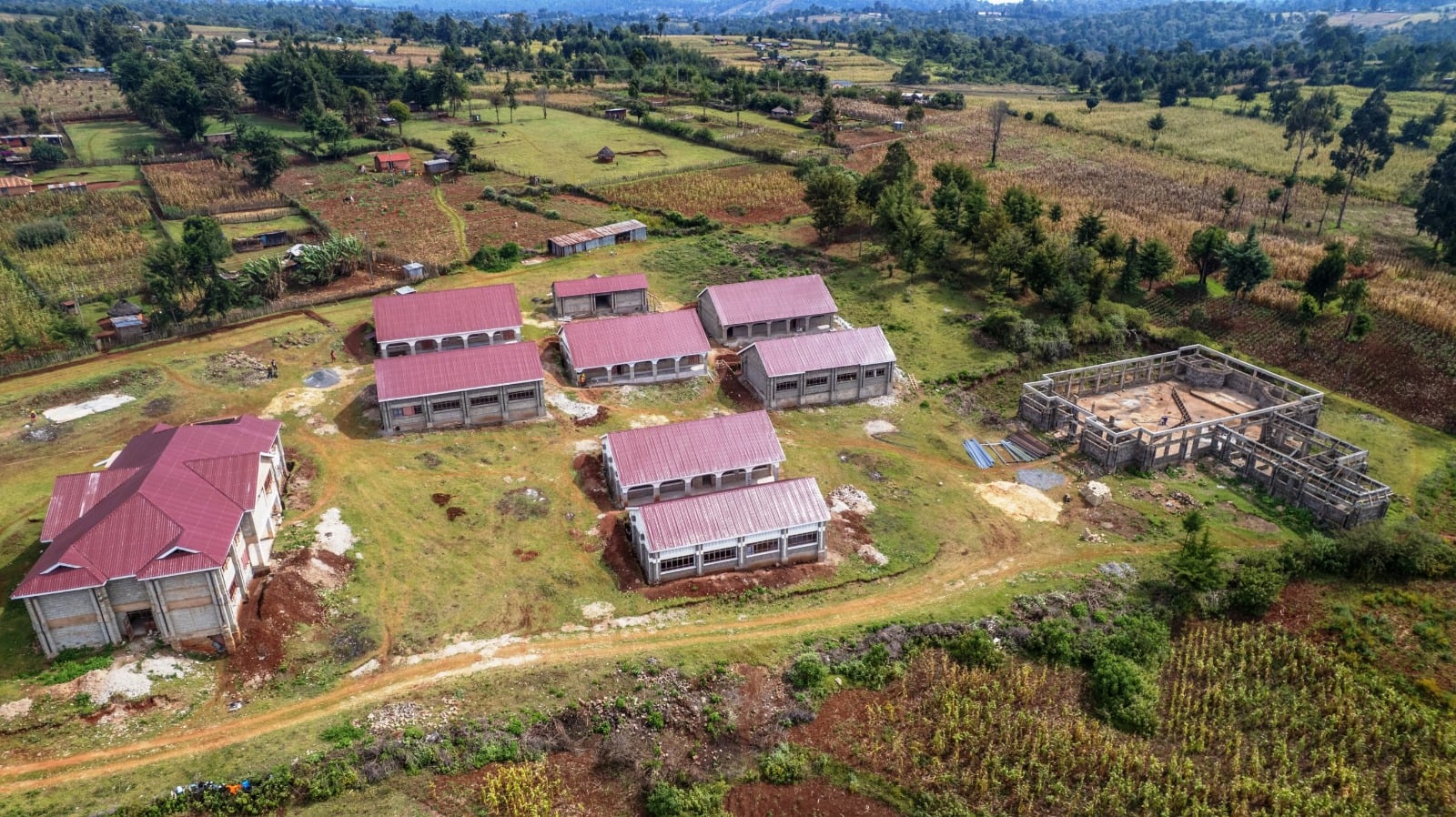
Additional isolation and treatment centers have also been identified in more than 10 counties considered high risk due to their proximity to major transit corridors and border crossings.
Duale has said the government is also strengthening laboratory systems, disease surveillance networks, emergency response mechanisms and healthcare workforce preparedness as part of broader health security investments.
Authorities recently disclosed that more than 1,000 healthcare workers have been trained in Ebola preparedness and response protocols, and that an Incident Management Center and an Emergency Response Center have been activated to coordinate national preparedness efforts.
The ministry has also confirmed that several individuals tested for Ebola in recent weeks returned negative results.
Kenya’s preparedness program has also received support from international partners, including the United States, which has since announced plans to provide funding to strengthen the country’s Ebola response capacity and broader health security systems.
Officials say the government will continue to monitor developments in the region while maintaining enhanced screening, surveillance, and preparedness measures at all entry points as part of efforts to keep the country free from Ebola.
Follow our WhatsApp Channel and X Account for real-time news updates.