Federal Bureau of Investigation (FBI) Director Kash Patel has issued a stern warning to individuals who seek to betray the country and put Americans in harm’s way. This is after the FBI arrested a former employee of a secretive U.S. Army special military unit on charges of unlawfully disclosing highly sensitive national defense information, including details about military tradecraft, to a journalist and through her own social media posts.
Courtney Williams, 40, of Wagram, North Carolina, was taken into custody on Tuesday, April 7, and indicted on Wednesday by a federal grand jury in the Eastern District of North Carolina.
She faces charges under 18 U.S.C. § 793(d) for transmitting classified material to individuals not authorized to receive it.
Williams worked from 2010 to 2016 for the special military unit, widely understood to be linked to elite operations at Fort Bragg, and held a Top Secret/Sensitive Compartmented Information clearance.
In that role, she had routine access to a broad array of protected data on tactics, techniques, and procedures used by American forces.
She received regular training in protecting secrets and signed a nondisclosure agreement acknowledging that unauthorized disclosure could result in criminal penalties.
Prosecutors claim that from 2022 to 2025, Williams had significant contact with a journalist. This journalist was working on both an article and a book concerning the unit.
Also Read: Ex-Counterterrorism Chief Under FBI Probe After Breaking with Trump Over Iran War
The two exchanged more than 180 text messages and spoke on the phone for more than 10 hours. The journalist made their profession and aim clear: they were collecting information for publication.
Following those conversations, the journalist released the book and accompanying article, which identified Williams as a source and included statements attributed to her that contained classified national defense information.
Williams also reportedly posted unauthorized details on her personal social media accounts.
Messages cited in court documents show Williams was aware of the risks. On the day of publication, she texted the journalist, expressing concern about the volume of classified details being revealed.
In exchanges with others, she referenced the possibility of arrest, cited provisions of the Espionage Act, and admitted she had been warned repeatedly throughout her career, “100 times a day”, about the consequences of leaking.
At one point, she told a third party she expected to “probably go to jail for life.”
FBI boss warns.
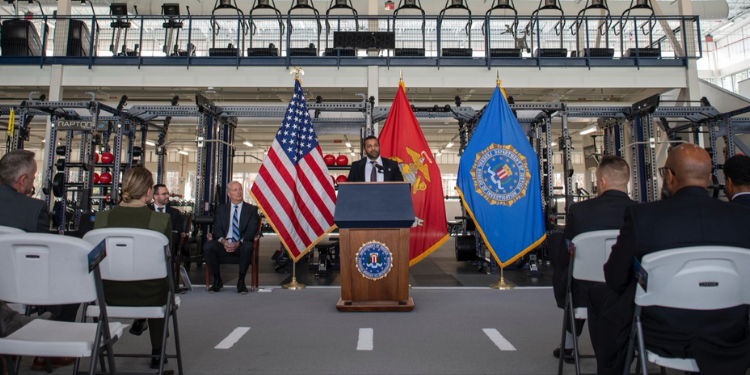
On Wednesday, Kash Patel took to his X handle and noted that the case was a clear signal of the bureau’s stance under the current administration.
Patel said that there will be zero tolerance for those who compromise national security, particularly when it endangers service members and mission integrity.
Assistant Attorney General for National Security John A. Eisenberg noted that security clearance holders assume a solemn duty to protect the information entrusted to them.
“When clearance holders violate that trust, the National Security Division will act quickly to hold them accountable,” he said.
Also Read: FBI Responds After Pro-Iran Group Flaunts Director Patel’s Stolen Docs
U.S. Attorney Ellis Boyle for the Eastern District of North Carolina added that leakers who favor personal complaints over the safety of warfighters and the nation will face prosecution.
FBI Assistant Director Roman Rozhavsky of the Counterintelligence and Espionage Division described the alleged actions as a betrayal of oath.
He warned all current and former clearance holders that disclosing protected information without authorization brings serious consequences. “This indictment should serve as a clear warning,” Rozhavsky said.
Reid Davis, FBI Special Agent in Charge in North Carolina, noted that the unit’s methods are classified to safeguard American lives and allies.
The investigation was led by the FBI’s Charlotte Field Office. Prosecutors include Assistant U.S. Attorney Logan Liles and trial attorneys from the Justice Department’s National Security Division.
If Williams is found guilty, she could spend a long time in prison. The Espionage Act says that anyone who violates it can face up to 10 years in prison for each count, depending on the extent of the damage and the amount of information leaked.