Trump DOJ scraps $1.776B anti-weaponization fund following strong congressional and legal pushback.
On June 2, 2026, Acting Attorney General Todd Blanche told lawmakers the Trump administration is “not moving forward with the fund. Period.”
Blanche confirmed to Rep. Grace Meng (D-N.Y.) that the department would not proceed with the initiative at any point.
The decision came after a federal judge temporarily blocked the fund and amid growing criticism from both Democrats and Republicans. Multiple lawsuits challenging the initiative remain ongoing.
Anti-Weaponization Fund
The $1.776 billion fund originated from the settlement of President Donald J. Trump v. Internal Revenue Service, a case centered on the unauthorized leak of Trump’s tax returns.
While Trump, Donald Trump Jr., Eric Trump, and the Trump Organization received formal apologies under the settlement agreement, the proposed compensation fund quickly became the most controversial aspect of the deal.
Also Read: Trump AG Todd Blanche Says Trump Would Have Gone to Prison if He Lost 2024 Election
The fund was intended to draw money from the federal Judgment Fund and compensate individuals who claimed they had been subjected to government “weaponization” or “lawfare.” In addition to potential financial compensation, claimants could also receive formal apologies.
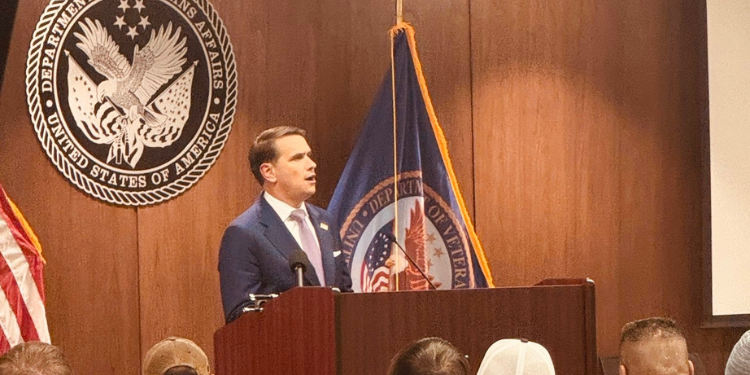
According to the proposal, the fund would have been overseen by a five-member commission appointed by the Attorney General. Officials said it would be open to claimants regardless of political affiliation, and any unspent money would eventually be returned to the U.S. Treasury.
However, no commissioners were ever appointed and no claims were processed before the plan was halted.
Legal Challenges
The proposal faced immediate opposition from lawmakers and legal critics across the political spectrum.
Democrats argued the fund could become a political slush fund, while some Republicans questioned whether it could result in payments to individuals connected to the January 6, 2021, Capitol riot or divert resources from other federal priorities.
Former Vice President Mike Pence was among Republican figures who publicly expressed concerns about the proposal.
Also Read: Ilhan Omar Defiantly Dares DOJ to Indict Her Amid Immigration Fraud Investigation
Lawsuits were filed in the U.S. District Court for the District of Columbia and the Southern District of Florida. Around May 30, 2026, a federal judge in the Eastern District of Virginia issued a temporary order blocking the fund’s operations while litigation proceeded.
The Justice Department said it would comply with the court’s ruling while maintaining its disagreement with the decision.
DOJ Position
During his June 2 congressional testimony, Blanche emphasized that the fund had never become operational and that there was “nothing to reverse.”
He also indicated that the administration’s decision to abandon the initiative was independent of the ongoing court cases, making clear that the DOJ would not revive the fund even if legal obstacles were removed.
A transcript of Blanche’s testimony is expected to serve as formal documentation of the administration’s position. Meanwhile, plaintiffs in the lawsuits have signaled they will continue to seek court action to formally terminate the proposal.