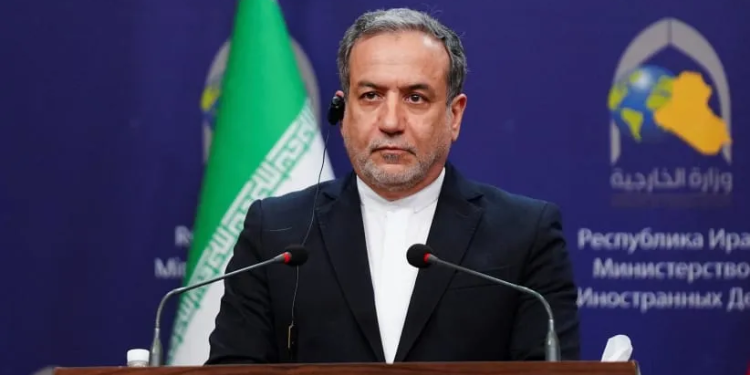
Iranian Foreign Minister Abbas Araghchi wrapped up a visit to Pakistan on Saturday, April 25, and said Tehran still does not see clear signs that the United States is serious about ending the war.
In a post on X, Araghchi called the trip “very fruitful” and thanked Pakistan for its mediation efforts. He said he had conveyed Iran’s ideas for a workable framework to permanently stop the fighting. But he added a note: “Have yet to see if the U.S. is truly serious about diplomacy.”
The comments came just a few minutes after President Donald Trump canceled plans for a U.S. delegation to travel to Islamabad.
Trump had earlier said special envoy Steve Witkoff and senior adviser Jared Kushner would head to Pakistan on Saturday for talks. White House officials had described the trip as a chance to hear Iran’s position directly.
Trump changed course quickly and told reporters the trip was off, citing what he called infighting inside Iran’s leadership and saying it would waste too much time. He added that Iran could call the U.S. anytime if it wanted to talk.
Also Read: Trump Pulls Plug on Kushner, Witkoff Pakistan Trip as Iran Refuses Direct Talks
This back-and-forth gives a clear picture of the fragile state of diplomacy more than eight weeks into the conflict.
The war began on February 28 when U.S. and Israeli forces launched major strikes on Iranian targets, including sites linked to the country’s leadership and military. Iranian officials say thousands have died.
The fighting also disrupted oil flows through the Strait of Hormuz, pushing up global energy prices and worrying markets.
Pakistan stepped in as mediator after the first round of indirect talks in Islamabad earlier this month. Those meetings produced a short two-week ceasefire, but it did not hold long.
The U.S. later imposed a naval blockade on Iranian ports. Iran has refused to return to direct talks while the blockade remains in place.
Araghchi and his team arrive in Pakistan with a clear plan
Araghchi arrived in Islamabad late Friday with a small team. He met Pakistani officials, including Foreign Minister Ishaq Dar.
Pakistani sources described the meetings as focused on ways to build a lasting peace. Islamabad has pushed hard to keep both sides at the table, using its ties with Tehran and its working relationship with the Trump administration.
Iran’s foreign ministry spokesperson made clear before the visit that no direct meeting with U.S. officials was planned in Pakistan.
Araghchi’s team stuck to that line and used Pakistan as a channel to pass Iran’s conditions for a permanent end to the war.
Those conditions include lifting the blockade and agreeing on a framework that addresses Iran’s security concerns.
Iranian officials have said any deal must be backed by all factions inside Tehran and must guarantee the country’s right to defend itself.
President Trump’s tough stance
Trump has taken a tougher public line and said the U.S. holds all the cards and that Iran has none. In recent days, he has repeated that Iran must come forward with a serious proposal or face continued pressure.
The cancellation of the U.S. trip leaves Pakistan’s mediation efforts in a difficult spot. Pakistani officials had hoped the weekend meetings would move things forward.
Now they face the challenge of maintaining open lines of communication in the absence of direct contact between the main players.
The first strikes killed senior Iranian figures, including Supreme Leader Ali Khamenei, and damaged key military and nuclear-related sites.
Also Read: Iran’s President Rejects Trump’s “Division” Claims, Vows United Front Against ‘Aggressor’
Iran responded with missile and drone attacks across the region. Both sides have suffered losses, but the human and economic costs have hit Iran hardest.
European leaders have been exhorting both sides to return to talks. China and Russia, which have close ties with Iran, have backed Tehran’s call for the blockade to end first.
Gulf Arab states have remained mostly quiet but are worried about further disruption to oil routes.
Araghchi is continuing his regional tour. He plans stops in Oman and Russia, where he is expected to brief allies on the Pakistan visit and Iran’s position.
Meanwhile, the war remains paused under an extended ceasefire, but no one expects it to last without a clear agreement. The naval blockade continues, and Iranian ports stay largely closed to commercial traffic.