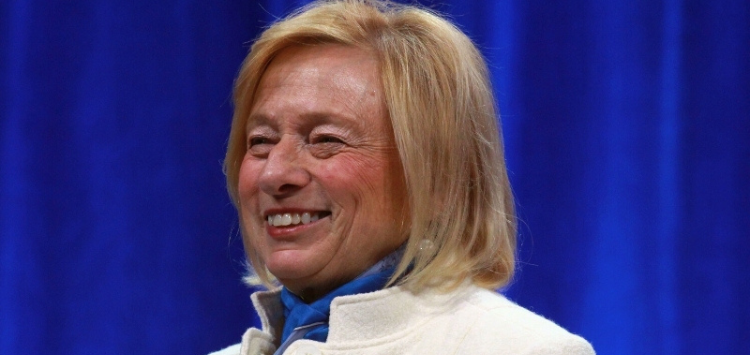
Janet Mills has suspended her campaign for the U.S. Senate, ending her bid just weeks before Maine’s Democratic primary and reshaping one of the party’s most closely watched races.
Her withdrawal leaves Graham Platner as the leading Democratic contender to challenge Republican Senator Susan Collins.
Mills announced the decision on Thursday, April 30th, citing financial constraints as the main reason for stepping aside.
“While I have the drive and passion, commitment and experience, and above all else, the fight, to continue on, I very simply do not have the one thing that political campaigns unfortunately require today: the financial resources,” Mills said in a prepared statement.
“That is why today I have made the incredibly difficult decision to suspend my campaign for the United States Senate.”
Her exit comes at a pivotal moment in the race, just ahead of the Maine Democratic Convention and more than five weeks before the state’s June 9 primary.
Fundraising Gap Reshapes the Race
The decision follows months of growing financial disparity between Mills and Platner. According to filings from the Federal Election Commission, Platner raised about $1.4 million more than Mills in the first quarter of the year and held approximately $1.7 million more in cash on hand.
Platner, an oyster farmer and military veteran, has built his campaign around working-class economic concerns and grassroots organizing. His fundraising strength has translated into broader visibility in the race, with polling data showing him ahead of Mills in several recent surveys.
Also Read: Trump Hints at U.S. Troop Reduction in Germany as Relations With Merz Strain
Political analysts say the gap made it increasingly difficult for Mills to sustain a competitive statewide campaign in a modern Senate race, where advertising and digital outreach often determine viability.
Party Endorsements and Internal Divisions
The Democratic primary had drawn national attention not only for its candidates but also for the split among party leaders.
Bernie Sanders publicly endorsed Platner, praising his grassroots appeal and working-class messaging. In contrast, Senate Democratic leadership, including Chuck Schumer and Kirsten Gillibrand, had backed Mills earlier in the race.
After Mills suspended her campaign, Schumer and Gillibrand signaled a shift toward supporting Platner in the general election effort. In a statement released through the Democratic Senatorial Campaign Committee, they said they would work with Platner to strengthen the party’s chances against Collins.
The statement also emphasized the competitiveness of the Maine seat, noting that Collins remains a well-established incumbent despite growing political pressure.
General Election Battle Takes Shape
With Mills out of the race, Platner is now positioned as the presumptive Democratic nominee. He is expected to face Collins, a Republican senator who has held the seat since 1997 and is known for her moderate voting record and bipartisan positioning.
Platner has not yet secured the nomination formally, but Democratic officials now view the primary as effectively decided. His campaign is expected to shift focus toward consolidating party support and preparing for a general election that could influence control of the U.S. Senate.
Also Read: Trump Reveals What He Told Melania Before Chaotic White House Correspondents’ Dinner
Mills’ departure also removes a major intraparty contest that had divided Democratic voters between establishment support and progressive momentum.
Why This Matters
The Maine Senate race is one of a small number of contests likely to determine control of the U.S. Senate.
Mills’ withdrawal underscores the central role of fundraising in modern American elections, where even high-profile candidates with statewide experience can struggle to compete without strong financial backing.
It also accelerates Democratic consolidation around a single candidate earlier than expected, giving Platner more time to build a general election campaign against Collins.
If Platner can unify Democratic voters and maintain his fundraising momentum, the party sees a clearer path to challenging one of the Republican Party’s most enduring incumbents in the Northeast.