
U.S. President Donald Trump has claimed that Iran is losing hundreds of millions of dollars daily due to restrictions on the Strait of Hormuz, as tensions over the critical shipping route continue despite an extended ceasefire.
In a statement on Tuesday, April 22 evening, Trump said that Iran does not genuinely want the Strait closed, arguing that the country depends heavily on revenues generated through the waterway.
“Iran doesn’t want the Strait of Hormuz closed, they want it open so they can make $500 million dollars a day (which is, therefore, what they are losing if it is closed!). They only say they want it closed because I have it totally blockaded (closed!),” the president said on Truth Social, adding that Tehran’s position was aimed at “saving face.”
He further suggested that reopening the strait without a broader agreement could undermine negotiations, warning that any deal would require significant concessions.
The remarks come shortly after Trump announced that the United States would extend the current ceasefire with Iran, following a request from Pakistani leaders, including Prime Minister Shehbaz Sharif and military chief Field Marshal Asim Munir.
Trump extends ceasefire as talks remain uncertain
In a separate statement, Trump said he had directed U.S. forces to maintain the naval blockade while allowing time for Iran to present a unified proposal for negotiations.
“I have therefore directed our military to continue the blockade and, in all other respects, remain ready and able, and will therefore extend the ceasefire until such time as their proposal is submitted, and discussions are concluded, one way or the other,” he said.
The ceasefire, which began on April 8, had been set to expire on Wednesday but has now been extended amid ongoing diplomatic efforts. However, uncertainty persists over whether formal talks between Washington and Tehran will resume.
Iran has signaled hesitation about returning to negotiations, with Foreign Ministry spokesperson Esmail Baghaei previously citing “unacceptable actions” by the United States, including the continued blockade of Iranian ports.
Earlier plans for talks in Islamabad were disrupted after U.S. Vice President JD Vance canceled a planned visit, reflecting the fragile state of negotiations.
Also Read: Vance Scraps Pakistan Trip as Iran Signals No-Show Ahead of Ceasefire Deadline
Pakistani officials have continued mediation efforts, urging both sides to return to the table, but key disagreements remain unresolved, particularly over sanctions, nuclear policy, and control of maritime routes.
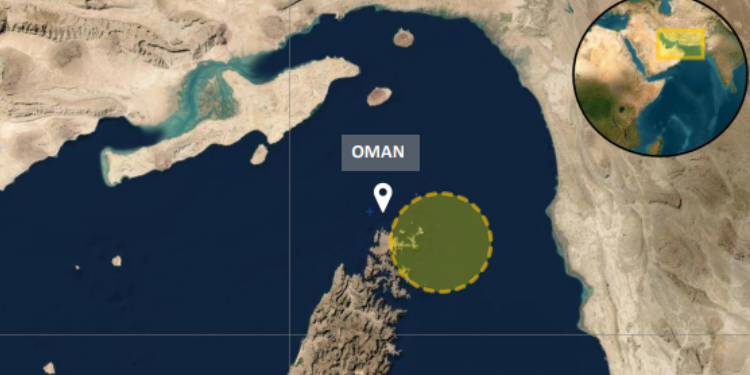
Strait of Hormuz
The Strait of Hormuz remains a focal point in the conflict. The narrow waterway handles roughly 20% of global oil and gas shipments during normal conditions, making it one of the most strategically important chokepoints in global energy security.
The United States imposed a naval blockade to pressure Iran to allow unrestricted passage through the strait. Iran, in turn, has sought guarantees of free movement for its own vessels and has warned it could take reciprocal measures if restrictions continue.
The standoff has had immediate economic consequences. Oil prices have surged in recent weeks, with Brent crude nearing $95 per barrel, reflecting market concerns over supply disruptions.
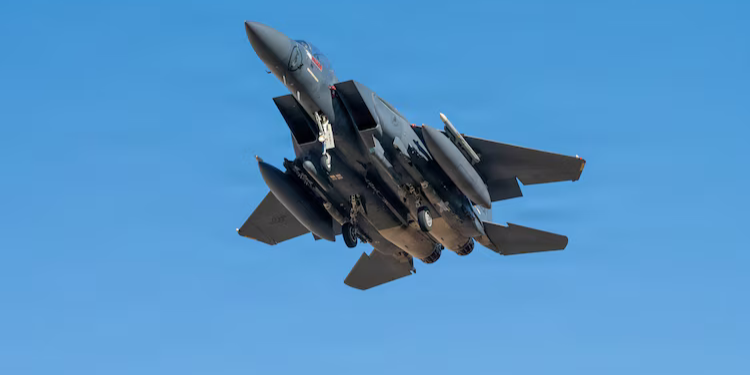
Even as the ceasefire holds, military and economic actions have continued. The Pentagon confirmed that U.S. forces this week boarded a sanctioned oil tanker, identified as the M/T Tifani, in international waters.
The move followed earlier seizures of vessels linked to Iran under the current blockade campaign. Iran has condemned such actions as violations of international law and described them as acts of “piracy.”
Meanwhile, the U.S. Treasury Department has expanded its sanctions campaign under what officials describe as “Economic Fury.”
In its move, the department on Tuesday announced sanctions targeting 14 individuals, entities, and aircraft linked to Iran’s weapons procurement networks.
Also Read: Trump Fires Back at Iran, Accusing Them of Repeated Ceasefire Violations
Treasury Secretary Scott Bessent said the measures are aimed at limiting Iran’s ability to rebuild its missile and drone capabilities.
“The Iranian regime must be held accountable for its extortion of global energy markets,” Bessent said, adding that the U.S. would continue to “follow the money” and disrupt Tehran’s financial networks.
Global response and strategic planning
International efforts are also underway to address the situation in the Strait of Hormuz. The United Kingdom and France are set to lead multinational military planning talks involving more than 30 countries, aimed at safeguarding navigation and preparing for the reopening of the strait when conditions allow.
British Defense Secretary John Healey said the discussions would focus on translating diplomatic progress into concrete operational plans to ensure maritime security.
At the same time, shipping disruptions have forced companies to reroute cargo, including through the Panama Canal, where demand has surged significantly.
Despite the extension of the ceasefire, both Washington and Tehran have maintained firm positions, and the path toward a comprehensive agreement remains uncertain.