The Government of Kenya has taken proactive measures to mitigate the impact of the ongoing Middle East conflict on the country’s economy.
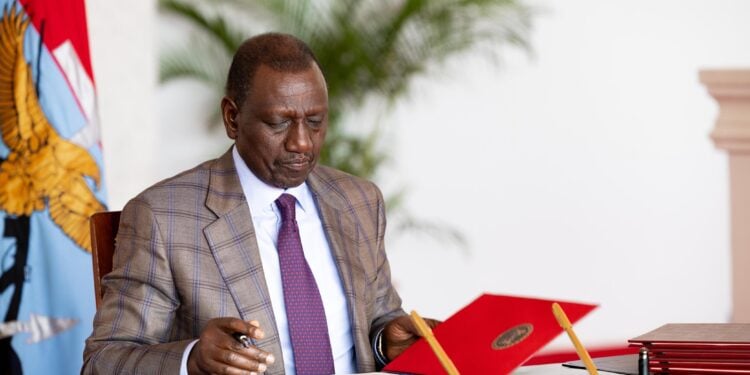
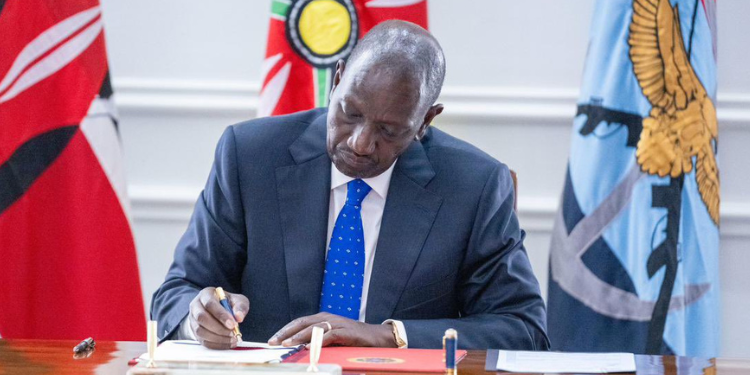
In a statement dated March 30, 2026, President William Ruto outlined key measures the Government is taking to mitigate the impact of the ongoing Middle East conflict on Kenya’s economy.
Key sectors, including fuel, fertiliser, trade, and ports, are closely monitored to ensure stability and protect consumers.
“Over the past month, the Government has remained vigilant and has actively managed developments, guided by continuous updates and assessments from relevant ministries and agencies. In light of the evolving geopolitical developments, I received a comprehensive briefing this afternoon from the Ministries of Energy, Agriculture, Trade, the National Treasury, the Central Bank, as well as private sector players, on the situation and possible recommendations on the way forward,” the statement read.
Fuel Shortages amid Middle East Crisis
Rising global oil prices have put pressure on economies worldwide, with the latest reports prompting companies, including Shell in Kenya, to announce fuel shortages.
Also Read: Shell Announces Fuel Shortage at Petrol Stations Across Kenya
Motorists reported difficulty accessing fuel, forcing long queues at stations with available supplies while other outlets turned away customers.
The Government has announced that it has put in place measures to ensure that the country maintains a steady supply of petroleum products.
“Rising international oil prices are already affecting consumers globally. However, the Government-to-Government fuel procurement arrangement has cushioned Kenyans from immediate shocks. This strategic intervention has mitigated price increases, ensured security of supply, and proven to be both prudent and forward-looking,” read part of the statement.
Agriculture and Export Performance
On agriculture, the Government assured the country that fertiliser supply remains stable despite the global uncertainty.
“No disruptions are expected. We have sufficient supplies to support the current rainy season through to September this year,” assured Ruto.
Kenya’s tea trade has remained resilient. According to the government statement, 81% of tea offered for auction this month was exported, compared with 75% in March 2025.
This performance has been supported by diversification into new markets and the strengthening of existing trade relationships.
Challenges have emerged in the meat export sector due to logistical and freight constraints linked to the global situation.
The Ministries of Trade and Agriculture are expected to collaborate on identifying alternative solutions to support exporters affected by these disruptions.
Also Read: 67 Kenyans Rescued Trying to Sneak Out to the Middle East
Ports, Logistics and Trade Expansion
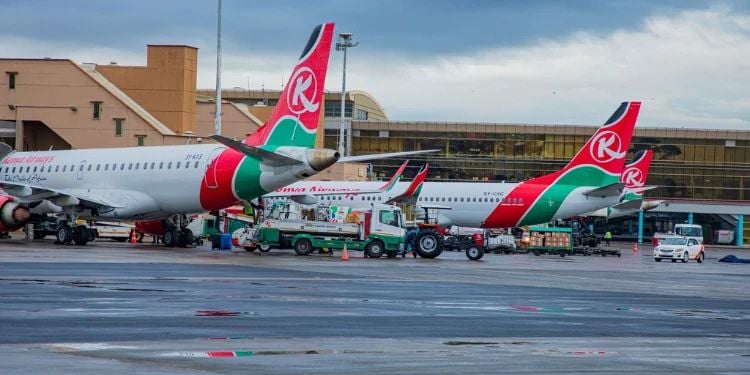
The Government also highlighted increased activity at key transport and logistics hubs, particularly the Ports of Mombasa and Lamu, as part of efforts to sustain trade flows.
He said the Government will further engage international logistics companies to leverage emerging opportunities and strengthen Kenya’s position in global supply chains.
The President emphasized that the Government will continue to closely monitor developments and respond decisively to safeguard economic stability. He stated that authorities remain committed to protecting the economic well-being of all Kenyans as the global situation evolves.