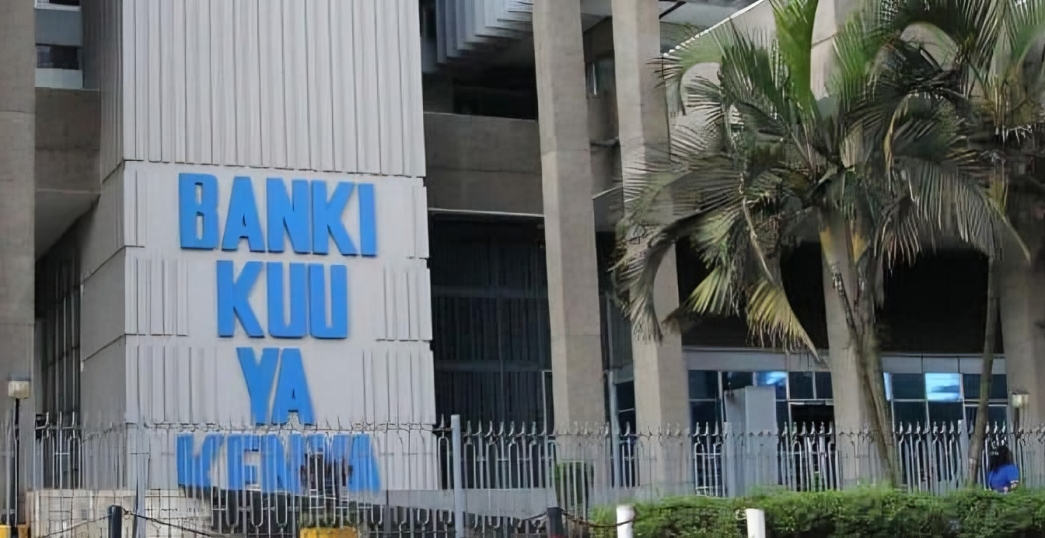
The Central Bank of Kenya (CBK) has announced the licensing of an additional 32 Digital Credit Providers (DCPs).
This brings the total number of approved firms to 227, in a move aimed at strengthening oversight in Kenya’s expanding digital lending sector.
The latest approvals follow an earlier batch of 42 DCPs licensed in December 2025, underscoring the regulator’s continued push to formalize the industry under Section 59(2) of the CBK Act.
The licensing process comes amid scrutiny of digital lenders, particularly regarding consumer protection and ethical practices.
“The Central Bank of Kenya (CBK) announces the licensing of an additional 32 Digital Credit Providers (DCPs). This is pursuant to Section 59(2) of the Central Bank of Kenya Act (CBK Act). This brings the number of licensed DCPs to 227 following the licensing of 42 DCPs announced in December 2025,” the statement read.
Rigorous Vetting Amid Rising Applications
Since the regulatory framework for digital lenders was introduced in March 2022, the CBK received more than 800 applications from firms seeking approval to operate in the country.
Also Read: CBK Seeks to End Forced Insurance and Hidden Charges in Banks
CBK has stated that it has engaged extensively with applicants, focusing on key areas such as business models, governance structures, and the suitability of shareholders, directors, and management teams.
The process also assessed compliance with consumer protection laws to ensure customers are safeguarded against exploitation.
According to CBK, many applicants are still at various stages of review, with delays largely attributed to incomplete documentation. The firms have been urged to expedite the submission of required materials to facilitate the completion of their licensing process.
“We urge these applicants to submit the pending documentation expeditiously to enable completion of the review of their applications,” read part of the statement.
Digital Lending Booms Across Kenya
Digital Credit Providers in Kenya primarily operate through mobile platforms, including apps and Unstructured Supplementary Service Data (USSD) services, making credit more accessible to millions of users.
Their loan offerings range from short-term personal loans to education financing, business loans, asset financing, and development credit.
This accessibility has fuelled rapid growth in the sector, particularly among individuals and small businesses seeking quick and convenient financing options.
Also Read: Hopes for Cheaper Bank Loans Shattered as CBK Maintains Base Rate
As of February 2026, licensed DCPs had issued approximately 7.5 million loans with a combined value of KSh133.5 billion, highlighting lenders’ role in Kenya’s digital economy.
CBK to Prioritize Consumer Protection
The push to regulate digital lenders was largely driven by widespread public complaints about unregulated operators.
Borrowers had raised concerns about high interest rates, aggressive debt-collection tactics, and the misuse of personal data.
In response, the CBK introduced stricter oversight to curb predatory practices and restore confidence in the sector.
CBK has invited public comments on the Draft Financial Consumer Protection Framework, which aims to address the growing threat of fraudulent financial transactions.
The Framework establishes unified regulatory standards, strengthens market conduct supervision, enhances cooperation among regulators, and improves consumer awareness and financial literacy.
It seeks to curb phishing attacks, misuse of personal data, predatory lending, hidden fees, and over-indebtedness amid the rapid expansion of the digital financial services ecosystem.