
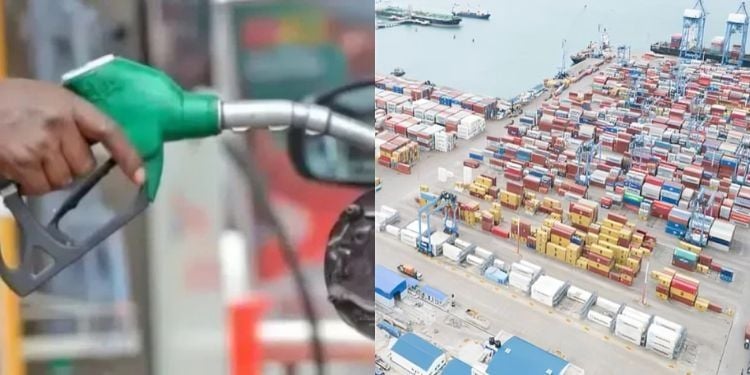
Kenya relies on imported petroleum to meet its energy needs, with 90 percent of these imports comprising white products such as Super Petrol, Diesel, and Dual-Purpose Kerosene.
The process is regulated by the government through the Open Tender System (OTS), managed by the Energy and Petroleum Regulatory Authority (EPRA) and the Ministry of Energy and Petroleum.
According to the Ministry of Energy and Petroleum, the current local consumption of petroleum products is approximately 5 million tons per year.
Importation of Refined Petroleum Products in Kenya
The importation of refined petroleum products in Kenya is centrally coordinated by the Ministry in charge of Petroleum through the Open Tender System (OTS).
Ministry of Energy and Petroleum notes that the system operates under established tender terms and conditions, with prices determined by an agreed Price Build-Up that includes FOB, freight, premiums, and local-currency components.
The OTS process relies on freight and premium quotes submitted by sellers of refined petroleum products.
Currently, Kenya has approximately 106 licensed oil marketing companies (OMCs), each of which can participate as both a buyer and a seller, though selling is optional.
Once imported, the petroleum products are received by the Kenya Pipeline Company (KPC) at its integrated Kipevu Oil Storage Facility (KOSF), Kenya Petroleum Refineries Limited (KPRL), or VTTI Terminal, as required by law under Legal Notice number 197 of December 2, 2003.
Also Read: EPRA Announces Fuel Prices for March and April Cycle
The imported petroleum is then stored at the Kenya Pipeline Company terminals before being transported via pipelines to major cities, including Nairobi, Nakuru, Eldoret, and Kisumu.
From the storage facilities, fuel is delivered to petrol stations across the country using tankers, ready for retail sale to consumers.
Retailers at petrol stations buy fuel at wholesale prices from OMCs and must follow EPRA’s regulated price caps. Regular quality checks are usually conducted to ensure the fuel meets safety and performance standards.
Also Read: Fuel Supply Crunch Hits Select Petrol Stations in Kenya
Government-to-Government Oil Import Deal
The Government-to-Government (G-to-G) oil import arrangement, signed in March 2023, involves three Gulf-based firms—Saudi Aramco, Abu Dhabi National Oil Company, and Emirates National Oil Company.
The deal was introduced as a temporary measure to ease foreign exchange pressures and stabilize fuel prices.
Under the agreement, the companies supply refined petroleum, Liquefied Petroleum Gas (LPG), Heavy Fuel Oil, and bitumen on 180-day credit terms, allowing Kenya to pay gradually in shillings rather than sourcing large amounts of US dollars each month.
This helped stabilize the shilling, which improved from Ksh166 to Ksh129 against the dollar, and reduced pump prices.
The G-to-G arrangement has ensured a consistent supply while easing the demand for foreign currency and stabilizing the local fuel market.