
Electricity consumers will continue to pay high power bills after the Energy and Petroleum Regulatory Authority (EPRA) gazetted new charges that will apply to electricity consumed in April 2026.
In notices published in the Kenya Gazette on April 24, EPRA announced new foreign exchange and water levies to be added to electricity bills, thereby keeping the overall cost of power elevated for households and businesses alike.
The regulator said electricity prices for April meter readings will include a foreign exchange fluctuation adjustment of 123.41 cents per kilowatt-hour, as well as a Water Resource Management Authority levy of 1.54 cents per kilowatt-hour.
The charges apply to all electricity consumers.
The two levies are calculated using electricity generation and purchase data from March 2026 and are imposed under the Schedule of Tariffs, 2023.
EPRA’s Latest Charges
EPRA said the foreign exchange adjustment reflects losses recorded in the power sector in March, arising from payments made in foreign currency to electricity generators and power suppliers.
According to the Gazette notice, the electricity sector recorded foreign exchange losses totaling about Sh1.34 billion in March 2026.
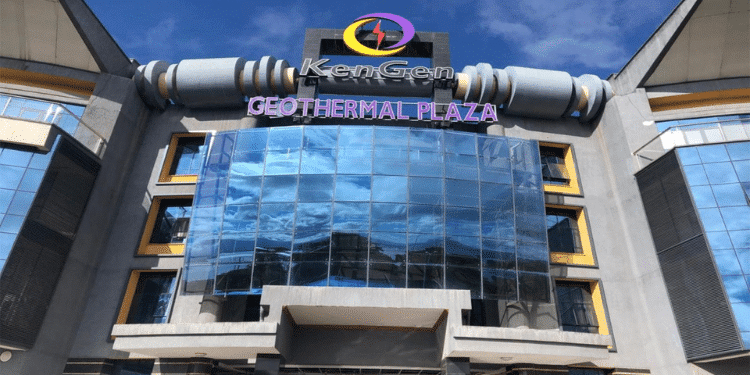
The losses were spread across Kenya Electricity Generating Company (KenGen), Kenya Power and Lighting Company (KPLC), and independent power producers.
Also Read: Ruto’s Former Lecturer and Education Reforms Chief Prof. Raphael Munavu Dies
During the month, a total of 1.3 billion kilowatt-hours of electricity was generated and purchased, excluding exports.
EPRA said the foreign exchange losses were spread across these units, resulting in an adjustment of 123.41 cents per unit, which consumers must now pay in April.
Foreign exchange adjustments are reviewed monthly and fluctuate with movements in the shilling against major currencies, particularly the US dollar, which is used in contracts with some power producers.
Energy sector analysts say the adjustment continues to put pressure on electricity bills, even when overall power demand remains stable.
Hydropower Huge Output
In addition to the forex charge, consumers will pay a water levy tied to electricity generated from hydropower plants.
EPRA said the WRMA levy of 1.54 cents per kilowatt-hour is based on energy purchased from hydropower stations with a capacity of one megawatt and above during March 2026.
The Gazette provides detailed hydropower output figures for the month, including production from major plants such as Kiambere, Gitaru, Kamburu, and Turkwel.
Also Read: Gachagua to Charge Ksh250,000 for Anyone Seeking to Vie for the Ol Kalou Seat
Together, hydropower plants supplied about 334.7 million kilowatt-hours of electricity in March.
Under the approved framework, electricity users contribute to the management and conservation of water resources used for hydropower generation.
The levy varies based on hydropower output and total electricity supplied in a given month.
Although hydropower output increased during March following favourable weather conditions, the resulting levy still adds to consumer bills when combined with other charges.
EPRA also gazetted amendments to electricity tariff rules affecting large power consumers.
Under the changes, energy consumption thresholds for certain customer categories, including SC2 and CI1–CI7, will now be calculated differently, with the amendments taking effect from April 1, 2026.
The regulator said the changes are intended to align billing with actual consumption patterns, but some industry players have warned that the adjustments could raise electricity costs for commercial and industrial users.
Despite periodic reviews, electricity bills remain high due to the combined effect of base tariffs, fuel costs, foreign exchange adjustments, water levies, taxes, and other statutory charges.
Consumer groups have repeatedly raised concerns about electricity costs, warning that sustained high power bills increase the cost of living and the cost of doing business.
EPRA maintains that monthly adjustments reflect real costs in the power sector and aim to ensure that electricity supply remains stable and financially sustainable.