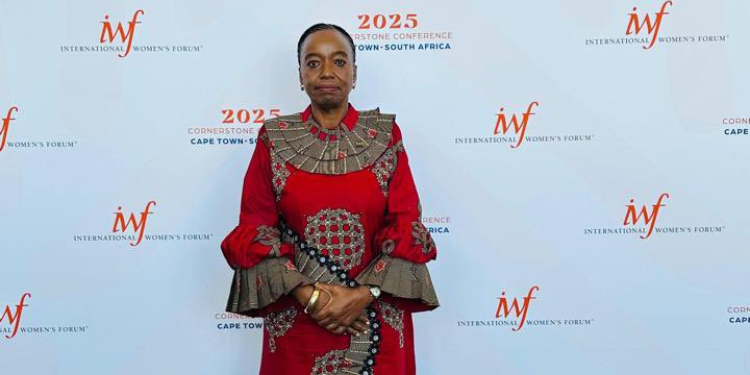
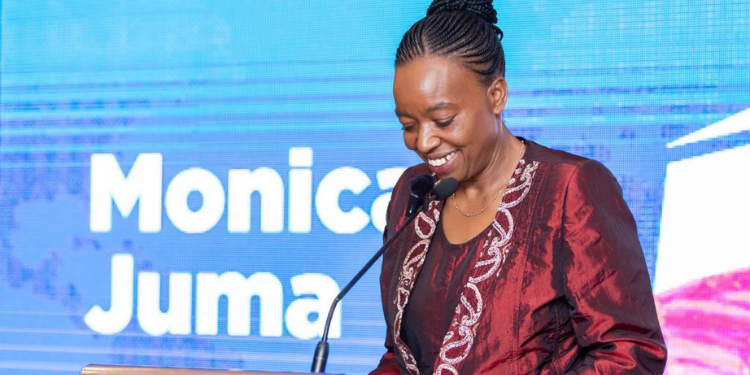
On March 7, Former Cabinet Secretary of Foreign Affairs Monica Juma was appointed Executive Director of the United Nations Office on Drugs and Crime (UNODC) and Director-General of the United Nations Office at Vienna.
Monica Juma succeeds Ghada Fathi Waly, whose service to the organization was highly commended.
The former CS, as an Executive Director of the United Nations Office on Drugs and Crime, will report to António Guterres and oversee the organization’s operations, administration, and global programmes on drug control and crime prevention.
Monica Juma’s Role and Functions
Her role will include coordinating United Nations efforts to combat drugs and crime while ensuring collaboration across the UN system.
She will also represent the Secretary-General at international meetings and oversee the implementation of responsibilities arising from international treaties and UN resolutions on drug control and crime prevention.
They set strategic priorities, allocate resources, and ensure that programs align with the UN’s mandate on crime prevention, justice, and drug control.
As Director-General of the United Nations Office at Vienna, the office holder also reports to the Secretary-General and oversees all UN activities based in Vienna.
The role involves representing the United Nations to the Austrian government and diplomatic missions while overseeing UN programmes, including those related to the peaceful uses of outer space.
It also includes supervising administrative and conference services, managing UN facilities in Vienna, and directing the work of the United Nations Information Service in Vienna.
Their role includes ensuring compliance with UN rules, financial regulations, and ethical standards across all operations.
Also Read: Salary Increase and Four Other Gains Kenyan Police Have Seen Under the Ruto Govt
Powers and Privileges
According to UN policy, officials at the United Nations Office on Drugs and Crime (UNODC), such as the Executive Director, are considered international civil servants.
This status allows them to serve the UN independently and impartially, rather than representing their home country.
They enjoy certain legal privileges and immunities, which help them perform their duties without interference. These protections can include immunity from legal action in some circumstances while acting in their official capacity.
Their salaries are generally exempt from national income taxes in many countries. They may also receive allowances for dependents, rental subsidies, and education grants for children, depending on the duty station.
Also Read: Salary, Privileges, and Benefits Ida Odinga Will Enjoy as Kenya’s UNEP Representative
Travel and relocation support are provided, including assistance with moving to a duty station, annual home leave travel, and other relocation expenses.
Senior UN officials also receive paid leave, such as annual and sick leave, and participate in the United Nations Joint Staff Pension Fund (UNJSPF) for retirement benefits.
These privileges exist to ensure that UN leaders can work effectively across countries while maintaining independence, neutrality, and the ability to fulfill their global responsibilities.
Salary Package
The UN pay scales indicate that the dual leadership position has a total annual compensation range of approximately US$ 540,000 to US$ 630,000.
In addition to the base salary, the Executive Director may receive allowances for dependents, rental subsidies, and education grants for children, depending on the duty station.
The package also includes travel and relocation support, including assistance with moving to the duty station, annual home leave travel, and related expenses.