The United Nations Security Council on Wednesday adopted a resolution condemning attacks by Iran on several Gulf countries and Jordan, amid escalating tensions in the region.
The resolution passed with 13 votes in favor, while Russia and China abstained. No member of the 15-nation council voted against the measure.
Drafted by Bahrain on behalf of the Gulf Cooperation Council, the resolution condemns missile and drone attacks attributed to Iran against Bahrain, Kuwait, Oman, Qatar, Saudi Arabia, and the United Arab Emirates, as well as Jordan.
The text, which has 135 co-sponsors, “demands the immediate cessation of all attacks by the Islamic Republic of Iran against Bahrain, Kuwait, Oman, Qatar, Saudi Arabia, the United Arab Emirates, and Jordan.”
It describes the strikes as a serious threat to regional stability and international peace.
Gulf states welcome resolution
Speaking after the vote, Bahrain’s ambassador to the United Nations, Jamal Fares Alrowaiei, thanked countries that supported the resolution on behalf of GCC members.
“This region is a lifeline for the global economy and a vital corridor for international trade and energy security,” he said.
He added that protecting maritime routes and infrastructure in the Gulf was critical not only for regional stability but also for the global economy.
“Ensuring the security of this region is not merely a regional concern,” he added. “It is a shared international responsibility that is closely linked to the stability of the global economy.”
Also Read: Tensions Escalate As UAE Declares ‘Full Right’ to Respond After Iranian Attack
The resolution reaffirms the right of merchant and commercial ships to navigate international waters and condemns “any actions or threats by the Islamic Republic of Iran aimed at closing, obstructing, or otherwise interfering with international navigation through the Strait of Hormuz or threatening maritime security in the Bab Al Mandeb”.
It warns that any attempt to impede lawful transit passage or freedom of navigation in these international waterways constitutes a serious threat to international peace.
Diplomatic adviser to the UAE President Anwar Gargash said in a statement on social media that the adoption of the resolution by the UN Security Council reflects a “clear international stance that rejects these attacks and increases Iran’s isolation”.
“Respect for state sovereignty and adherence to international law remain the foundation for security and stability in the region,” he added.
The vote comes as attacks on commercial ships and regional targets have raised concerns about the safety of energy shipments moving through the Gulf.
The Strait of Hormuz alone handles a large share of the world’s seaborne oil exports.
Russia and China abstain UN Council resolution on Iran attacks
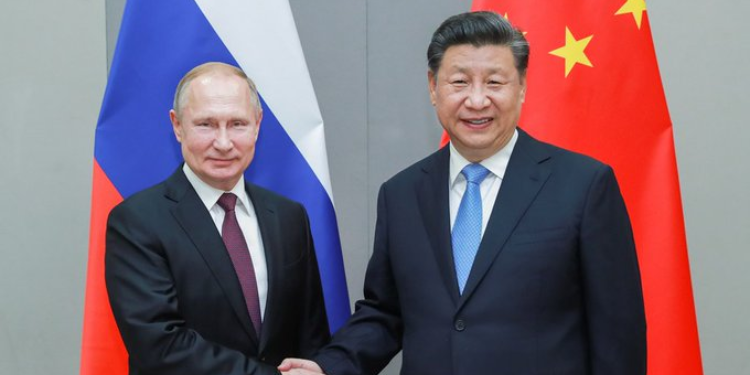
Russia’s UN ambassador Vasily Nebenzya said Moscow abstained because it considered the text “extremely unbalanced.”
According to Nebenzya, the resolution does not address attacks on Iranian territory or the broader military escalation involving the United States and its allies.
He pointed out that Washington, “through their aggressive action,” ignored Gulf “repeated requests not to use the territory of the Arab states to conduct military operations against Iran.”
Russia argued that the Security Council should take a more comprehensive approach to the conflict. China also abstained during the vote.
Also Read: Iran Asserts Control of Strait of Hormuz with Intensified Oil Shipments to China
The council also voted on a separate draft resolution proposed by Russia, calling for condemnation of all attacks on civilians and civilian infrastructure. That proposal did not pass, as it failed to receive the required number of votes.
The United States and Latvia voted against the measure, while Russia, China, and Pakistan supported it. Nine other council members abstained.
The UN vote comes amid a broader escalation in the Middle East, with Iran launching strikes against regional targets following attacks that killed Iran’s supreme leader, Ali Khamenei.
Also, the conflict has affected commercial shipping in the Strait of Hormuz, a key maritime corridor for global oil and gas supplies.