The World Health Organization (WHO) Director-General has explained why he declared a Public Health Emergency of International Concern (PHEIC) over the Ebola outbreak in the Democratic Republic of Congo (DRC) and Uganda before convening the Emergency Committee.
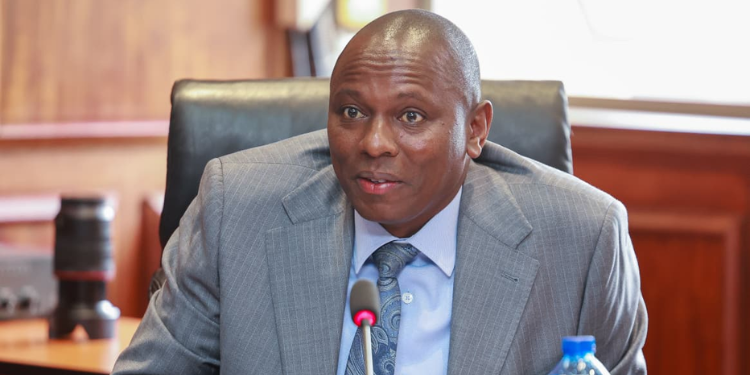
Dr. Tedros Adhanom Ghebreyesus, in a press briefing on Wednesday, May 20, said the decision was taken under Article 12 of the International Health Regulations, citing the urgent and rapidly evolving nature of the outbreak.
He noted that this was the first time a WHO Director-General had declared a PHEIC before formally convening the Emergency Committee, a move he said was necessary to ensure an immediate global response.
WHO DG Says He Declared the Ebola Emergency Early Due to Urgency
Dr. Tedros said the early declaration was necessary to prevent further loss of lives and accelerate coordination of global response efforts.
The Director-General said the outbreak required urgent action to mobilize international support, contain cross-border spread, and strengthen response measures in affected areas.
“Early on Sunday, I declared a public health emergency of international concern over an epidemic of Ebola disease in the DRC and Uganda. This is the first time a Director-General has declared a PHEIC before convening an Emergency Committee,” he said.
“I took this step in accordance with Article 12 of the International Health Regulations, after consulting the Ministers of Health of DRC and Uganda, and in view of the need for urgent action. I determined that the situation was not a pandemic emergency, which is the new and highest classification under the amended International Health Regulations.”
Dr. Tedros stated that he later convened the Emergency Committee, which met on Tuesday, May 19, and confirmed that the situation constitutes a Public Health Emergency of International Concern, but does not meet the threshold for a pandemic emergency under the amended International Health Regulations.
He added that WHO assesses the risk of the epidemic as high at the national and regional levels, and low at the global level.
Also Read: US Warns Its Citizens Against Traveling to 4 African Countries
Dr. Tedros on Why the World Should Be Concerned About More Ebola Infections and Deaths
According to the WHO Director, 33 Ebola cases have been confirmed in the DRC’s Ituri and North Kivu provinces, including in the cities of Bunia and Goma.
However, Dr. Tedros warned that the true scale of the outbreak is likely much larger, with nearly 600 suspected cases and 139 suspected deaths reported.
Uganda has also confirmed two cases in the capital Kampala, including one death, involving individuals who had traveled from the DRC. An American national who tested positive in the DRC has been transferred to Germany for treatment.
WHO further outlined key drivers that continue to fuel transmission and complicate containment efforts.
The organization said there are already nearly 600 suspected Ebola cases and 139 suspected deaths, warning that the numbers are likely to rise as more infections are confirmed.
According to the organization’s findings, the virus may have been circulating undetected for some time before the outbreak was officially identified.
In addition, WHO found that the outbreak could have spread to several urban areas, increasing the risk of faster, wider transmission due to population density.
Third, WHO has reported infections among health workers, indicating healthcare-associated transmission and raising concerns over infection control in medical facilities.
The global health body also revealed that the province of Ituri in eastern DRC has experienced intensified conflict since late 2025, with more than 100,000 people displaced in the past months. The area is also a mining zone with high mobility, further increasing transmission risks.
WHO further warned that the outbreak is caused by the Bundibugyo virus strain, a species of Ebola for which there are currently no approved vaccines or therapeutics, limiting treatment and prevention options.
Also Read: WHO Declares Ebola Outbreak a Global Emergency as Deadly Virus Spreads Across Borders
WHO has since deployed emergency teams, supplies, equipment, and funding support, including additional financing from its Contingency Fund for Emergencies.
“To support our response, I have approved an additional $3.4 million from the Contingency Fund for Emergencies, bringing the total to $3.9 million,” he said.
Uganda has also introduced precautionary measures, including the postponement of large public events that could increase transmission risks.
WHO maintains that while the global risk remains low, the situation requires sustained international attention and coordinated action to prevent further spread.