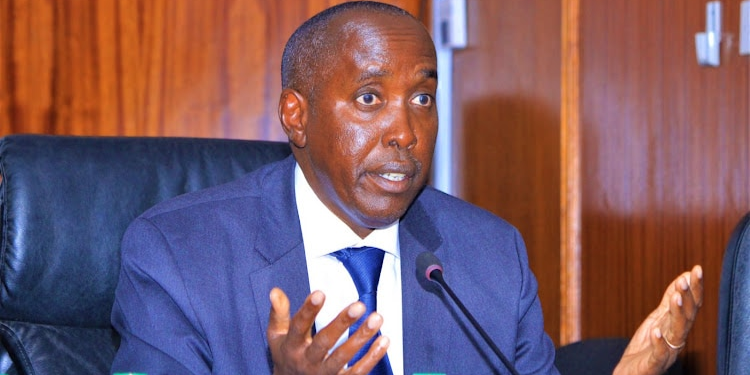
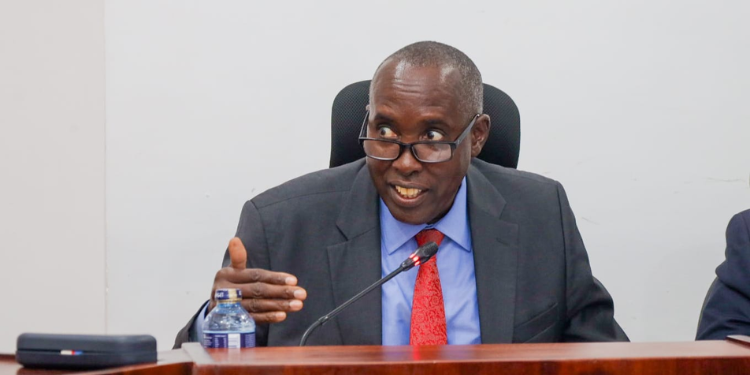
Kajiado Governor Joseph Ole Lenku has defended President William Ruto’s recent remarks on Tata Chemicals Magadi, claiming the company has remained “untouchable” for more than a century despite longstanding concerns over land ownership, community benefits and unpaid county dues.
Speaking during an interview on Citizen TV’s Sunday Live program on September 13, Lenku said the dispute between Kajiado County and the soda ash miner goes beyond politics and is rooted in what he described as a historical injustice against the people of Magadi.
According to the governor, Tata Chemicals Magadi occupies more than 224,000 acres of land in Kajiado under a lease arrangement dating back to the colonial era.
He argued that despite extracting minerals from the area for decades, the company has done little to transform the lives of residents.
“Magadi community continues to remain the poorest community in Kajiado,” he said.
Tata Dispute and Magadi Future
Lenku said the company has been operating under conditions that would not be tolerated elsewhere, accusing it of failing to pay land rates owed to the county government.
Also Read: Fresh Twist as Raila Family, ODM Differ Over First Anniversary Plans
The governor claimed the company owes Kajiado County Ksh13 billion in unpaid land rates.
He said his administration has spent years pursuing the matter in court and welcomed the national government’s recent intervention.
“When the national government comes and confirms the frustrations we have been facing, for us as a community in Magadi and the county government of Kajiado, it is the right move,” he said.
Tata Chemicals has disputed some of the county’s claims and legal demands regarding land rates in the past.
Lenku said President Ruto’s concerns about Tata Chemicals reflected issues that local leaders have been raising for years.
He argued that while the company has benefited from Magadi’s vast trona deposits used in soda ash production, local communities have seen little value addition in skills transfer, industrial development, technical training, or major infrastructure projects.
According to the governor, the mining area occupies only a small section of the land held by the company, raising questions about why such extensive acreage remains under its control.
‘Where the machine was put to extract it in 1924, it has never moved an inch. Why would you need so much land when your machines have never moved a meter from where you started a hundred years ago?” Ole Lenku questioned.
He also said Magadi has significant underground resources beyond soda ash, including lithium and oil prospects, making the region strategically important for Kenya’s future economic growth.
Ole Lenku said the national government’s proposal to advertise future mining opportunities should help ensure local communities benefit more from the area’s natural resources.
While discussions continue over the future of the century-old mining arrangement, the governor said the national government would decide on any new investors.
Amboseli, Elephants and Ole Lenku’s Future
Beyond the Tata dispute, Lenku also discussed the management of Amboseli National Park and revenue sharing between Kajiado County and the national government.
Also Read: Why The Oval Nairobi Stands Out as Westlands’ Most Recognizable Commercial Landmark
He said the county is yet to start receiving its expected share of revenue following the transfer of Amboseli’s management, largely because court cases have delayed implementation.
According to the governor, Kajiado expects to receive about 50 percent of the park’s shareable revenue, which could amount to between Sh1 billion and Sh1.5 billion annually.
He said he was confident ongoing legal disputes would eventually be resolved, allowing communities around the park to benefit from wildlife conservation.
Lenku also challenged explanations offered regarding the recent deaths of elephants in the Amboseli ecosystem.
While KWS reports linked the deaths to chemical poisoning, the governor dismissed that theory, instead citing research that pointed to poisonous grass that flourished after unusually heavy rains.
He said local livestock owners have previously experienced similar losses from the same vegetation and argued that the evidence did not support claims that agricultural chemicals were responsible.
The governor also addressed his political future and growing speculation about a Senate bid once his second and final term ends.
Lenku confirmed that leaders from the Maa community have been urging him to seek the Kajiado Senate seat in the next election cycle.
While stopping short of formally declaring his candidacy, he suggested discussions on his next political move were already underway.
Follow our WhatsApp Channel and X Account for real-time news updates.