The Kenya Revenue Authority (KRA) has announced the automation of the licensing process for vehicles transporting transit goods and other goods under customs control, with the new system taking effect from July 1, 2026.
In a notice issued on Tuesday, June 30, KRA said applications for Transit Goods (C28) licences and Vehicles Conveying Other Goods Under Customs Control (C40) licences will now be processed through the Regional Electronic Cargo Tracking System (RECTS) and the Integrated Customs Management System (ICMS).
“Kenya Revenue Authority (KRA) notifies the general public that all Licences for Transit Goods (C28) and Licences for Vehicles/Vessels Conveying Other Goods Under Customs Control (C40) will be processed through the Regional Electronic Cargo Tracking System (RECTS) and Integrated Customs Management System (ICMS) with effect from 1st July, 2026,” read part of the statement.
KRA Unveils Automated Licensing for Vehicles Under Customs Control
Under the new system, applicants will be required to register on the RECTS platform and submit several documents, including the motor vehicle logbook, a valid insurance certificate, a COMESA Yellow Card or insurance cover for foreign-registered vehicles, and photographs of the truck and trailer with registration numbers clearly visible.
KRA said successful applicants will receive their licences electronically via their registered email addresses after paying the prescribed fees.
The licences will feature a QR code that can be used for verification.
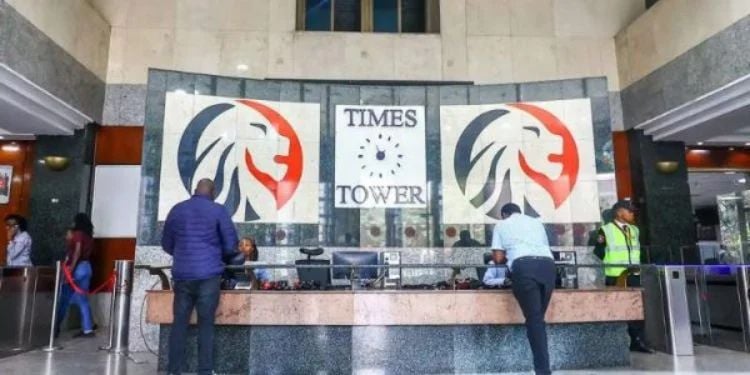
The tax authority directed first-time applicants without RECTS profiles to register through the Cargo Monitoring Unit at Times Tower in Nairobi, by email, or at designated Rapid Response Units located in Mazeras, Taru, Voi, Emali, Sameer, Naivasha, Nakuru, Kericho, Eldoret, Bungoma, Kisumu, Kitale, Kainuk, Lodwar, Kakuma and Marsabit.
Also Read: KRA Reveals Cause of VAT and PAYE Filing Restrictions on iTax
KRA clarified that the automation applies to all new licence applications for 2026 and licence renewals for 2027 onwards.
However, the authority noted that submitting an application does not automatically guarantee approval, as all applications will undergo internal verification and vetting before licences are issued.
It further stated that manual licences issued before July 1, 2026, will remain valid until December 31, 2026.
The authority said the move is intended to streamline the licensing process through digital systems while enhancing the management and monitoring of vehicles transporting goods under customs control.
Also Read: KRA Explains How Kenyans Can Declare Business Expenses Not Supported by eTIMS
Why KRA Uses RECTS
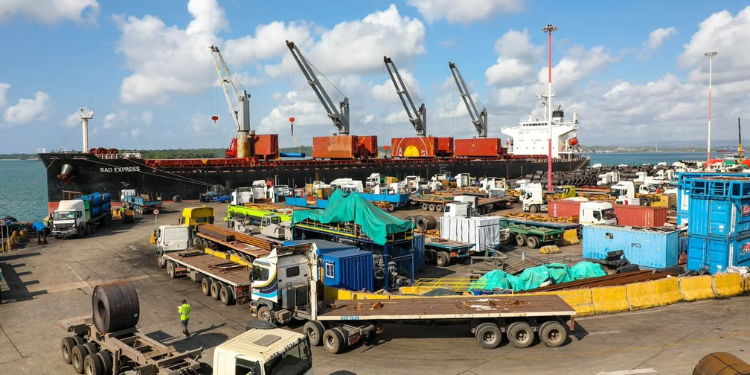
KRA uses the Regional Electronic Cargo Tracking System (RECTS) to curb tax evasion by preventing transit goods, such as fuel and other cargo destined for neighbouring countries, from being diverted into the Kenyan market without payment of the required customs duties.
The system also helps safeguard government revenue through real-time satellite tracking (GNSS), which alerts KRA whenever a truck deviates from its approved route or makes suspicious stopovers, enabling faster intervention.
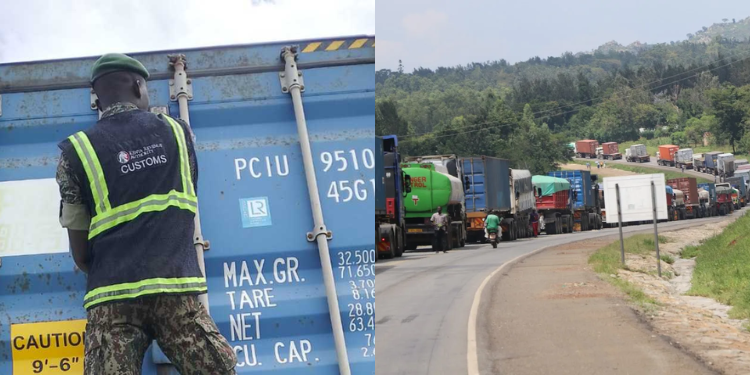
In addition, the electronic tracking system eliminates the need for customs and police officers to physically escort transit cargo.
Follow our WhatsApp Channel and X Account for real-time news updates.