
Nyeri Governor Mutahi Kahiga has accused his Deputy Governor’s driver of using an official county vehicle to pick up and ferry women at night.
Kahiga claimed he once followed the driver after spotting the vehicle in Nyeri town late at night and allegedly watched as it picked up several women from a fast-food joint before dropping them off at different locations.
Speaking about the incident, Kahiga said he had been driving around town at about 11pm or midnight when he noticed the vehicle.
“Sometimes I just want to see what is happening in town, so I drove around at about 11pm or midnight. I spotted the vehicle and decided to follow it,” Kahiga said.
He claimed he followed the vehicle as it moved around town and eventually stopped at a fast-food establishment.
According to Kahiga, the driver picked up several women from the establishment before driving them to different destinations.
“I saw it stop and pick up several women before dropping them off at different locations,” he said.
Mutahi Kahiga Alleges DG’s Driver Used County Vehicle to Pick Up Women
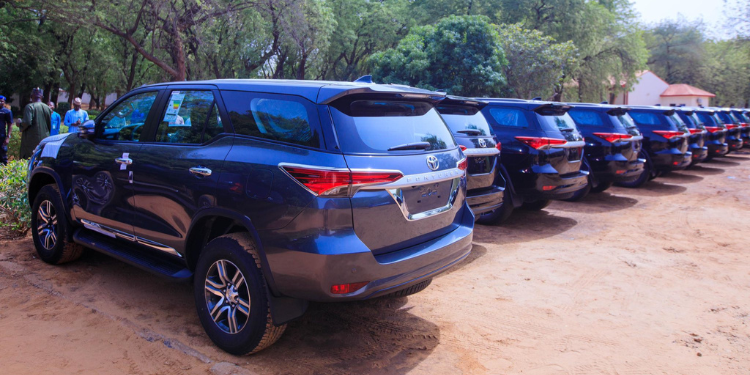
Kahiga said the vehicle was the official car assigned to his Deputy Governor and questioned its use for what he described as private activities.
The governor alleged that the driver was using a county vehicle outside official duties, raising questions about the management and use of government resources.
The governor said he later contacted his Deputy Governor, David Kinaniri, to find out whether he knew the vehicle had been taken out at night.
“When I called my Deputy, he said he was not aware that the vehicle was being used to carry out activities outside the office,” Kahiga said.
He also raised questions about the fuel the vehicle consumed during the alleged trips.
“I was wondering why the fuel was running out. I thought the Deputy Governor was out campaigning, only to find out it was for beautiful women,” Kahiga said.
Kahiga’s remarks come amid wider scrutiny over the use of official vehicles by county government officials and staff.
The governor did not identify the women allegedly picked up by the driver or provide further details about their destinations. He also did not publicly name the driver.
Also Read: Govt to Track All State Vehicles in Real Time
Government vehicles face tighter monitoring
Kahiga’s allegations come as the government introduces new measures to strengthen oversight of official vehicles and curb their misuse.
In August 2026, Head of Public Service Felix Koskei announced reforms that will see every government vehicle fitted with a tracking system.
The reforms followed a meeting chaired by Koskei that brought together representatives from the Executive, Parliament, Judiciary and security agencies to review the operational protocols governing government vehicles.
One of the key measures announced was the rollout of the Government Vehicle Management System (GVMS), a centralised digital platform designed to provide real-time oversight of government vehicles.
Under the system, authorities will be able to access information including the vehicle’s authorised driver, fuel consumption, mileage and maintenance history.
To enhance accountability, data from all Ministries, Departments, Agencies and counties will be verified to create a uniform record.
He noted that the system’s launch is part of the government’s commitment to respond to changing transport needs, advances in technology and growing accountability requirements.
“The process brings together institutions across Government to build shared ownership, ensure alignment and support seamless implementation.”
Also Read: Mutahi Kahiga Declares the Seat He Will Vie For in 2027
What the rules say
National Treasury guidelines on the management of government motor vehicles apply to vehicles used by both national and county governments.
The guidelines cover government-owned and leased vehicles and allow transport or logistics units within government entities to oversee day-to-day operations under powers delegated by accounting officers.
The guidelines also require accounting officers to ensure the optimal use of available government transport assets, with their operation and maintenance carried out in accordance with requirements issued by the relevant authorities, including the National Treasury’s fleet management unit.
For county governments, the respective county treasuries hold custody of documents relating to government-owned, leased and project vehicles. The guidelines also require government vehicles to be insured.
Follow our WhatsApp Channel and X Account for real-time news updates.