Nigeria has confirmed its first case of Ebola Bundibugyo virus disease, triggering a regional health alert and placing a spotlight on Uganda after authorities revealed the patient had recently travelled from the East African country.
The development has prompted investigations by World Health Organization (WHO) officials, who are now working to establish where the woman contracted the virus.
The case was confirmed on October 20 in Abuja, the Federal Capital Territory of Nigeria. According to health authorities, the patient is a woman who arrived in Nigeria from Uganda and developed symptoms four days later.
She later sought treatment at a private health facility, where laboratory tests confirmed infection with the Bundibugyo strain of the Ebola virus.
She is currently in isolation and receiving treatment.
Uganda Moves to Distance Itself From Case
The confirmation immediately raised concern across the region because of the patient’s recent movements, with attention quickly turning to Uganda.
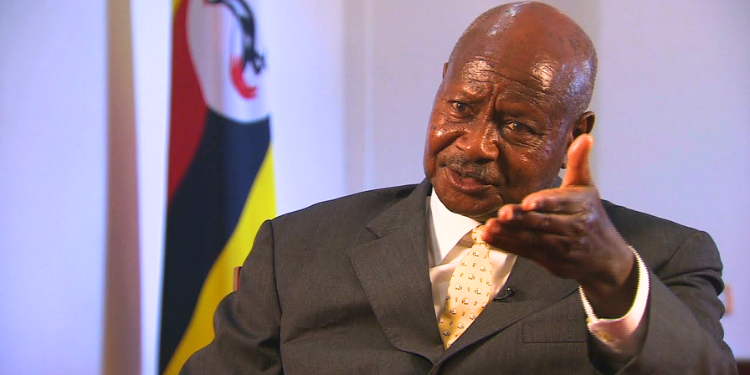
However, Uganda’s Ministry of Health moved swiftly to calm fears, insisting the country has no confirmed active Ebola cases.
“We wish to clarify that, at the time of this statement, Uganda has no confirmed active Ebola case,” the Ministry stated.
In a public statement, Ugandan authorities said preliminary information showed the woman passed through Uganda without showing symptoms before travelling to Nigeria.
Also Read: CBK Report Reveals Why Many Kenyans Are Still Struggling to Find Jobs
They further argued that transit through Uganda should not be interpreted as proof that the infection was acquired there, stressing that investigations into the source of exposure were still underway.
Uganda maintained that it currently has no active Ebola cases and said available information does not show the woman became infected while in the country.
That position is broadly supported by the WHO, which has so far stopped short of linking the infection to Uganda.
Instead, the global health agency says investigations are continuing to determine the likely source of infection and reconstruct the patient’s full travel and exposure history.
Uganda was declared Ebola-free in August after its last confirmed patient recovered and was discharged from care on July 16, 2026, and no active cases have been reported since.
WHO described the Nigerian case as an imported infection but noted that crucial questions surrounding where and when the woman was exposed to the virus remain unanswered.
WHO says Nigeria has become the fifth country to detect the virus since that outbreak began.
Race to Prevent Cross-Border Ebola Spread
Nigerian authorities have launched an aggressive response aimed at preventing further transmission.
Also Read: Why Kenyans May Soon Pay More for Food, Transport and Household Essentials
According to the Federal Ministry of Health and Social Welfare, 44 contacts linked to the patient have already been identified and are being monitored.
Those under surveillance include healthcare workers, caregivers and other people believed to have come into contact with the patient before the disease was confirmed.
The Nigeria Centre for Disease Control and Prevention has activated its incident management system, while WHO and partner agencies are supporting case investigations, contact tracing and infection prevention measures.
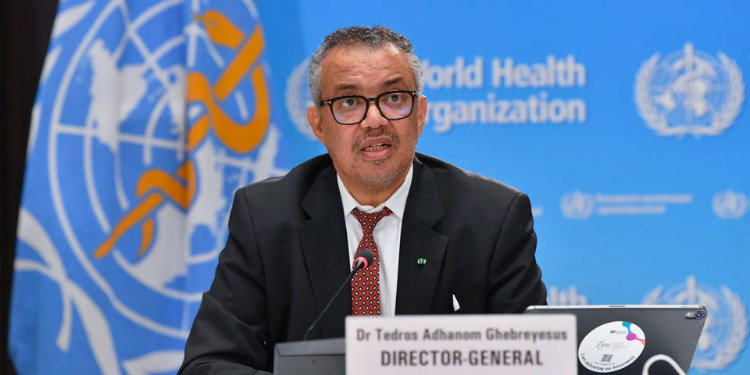
“WHO urges all countries in the region to sustain a high level of readiness, which is essential to detect cases early, prevent onward transmission and protect health workers and communities,” said Tedros Adhanom Ghebreyesus, Director-General of the World Health Organization.
WHO has advised against restrictions on travel or trade and said it will continue monitoring developments as investigations into the Nigerian case continue.
The Democratic Republic of Congo remains the epicentre of the Ebola outbreak, with 9,552 confirmed cases and 4,602 deaths recorded by October 20, according to the US Centers for Disease Control and Prevention (CDC).
Follow our WhatsApp Channel and X Account for real-time news updates.