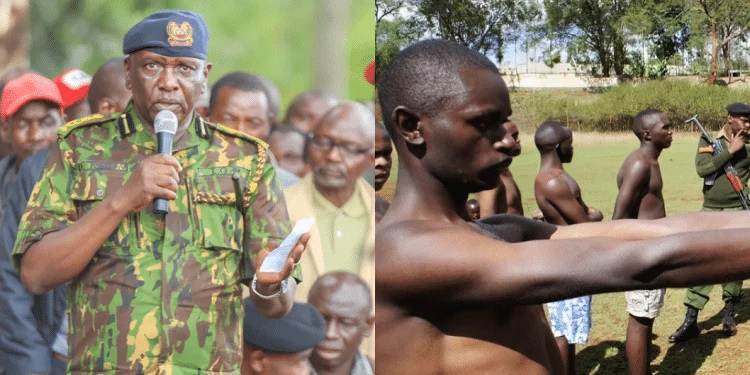
The National Police College has discontinued 54 recruits from the ongoing Basic Recruit Training Course for various violations, the college commandant has revealed.
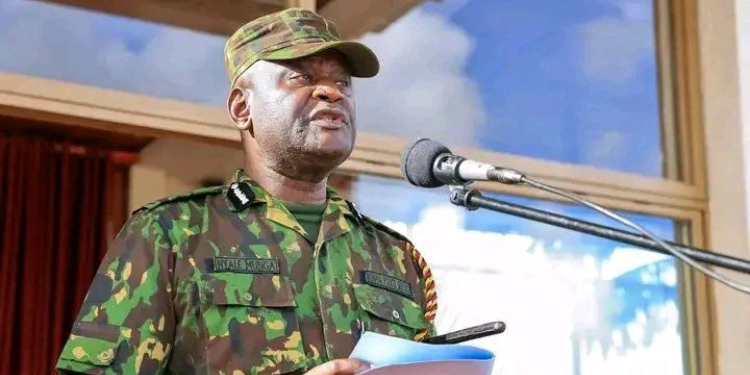
Commandant Gideon Munga Nyale (SAIG) announced the dismissals on Thursday, May 7, 2026, during a visit by Interior Cabinet Secretary Kipchumba Murkomen to the Kiganjo Main Campus.
“The recruits are a fortunate group, having been selected from among many qualified applicants. Among them, 54 had their courses terminated because of various reasons,” said Nyale Munga.
Police Detail Grounds for Dismissing 54 Recruits
According to Munga, 18 recruits were dropped due to pregnancy‑related issues, while another 18 were found to have submitted forged academic documents during recruitment.
A further 10 recruits were expelled after background checks revealed previous criminal convictions, while two were dismissed for presenting forged identification documents.
Another two recruits were sent home owing to disciplinary violations recorded during training, and two were released on medical grounds after being diagnosed with terminal health conditions that made it impossible for them to continue with the physically demanding program.
One recruit exited the training voluntarily due to illness.
Also Read: 13 D.C. Police Officers Face Firing Over Alleged Crime Data Manipulation
Interior Cabinet Secretary Kipchumba Murkomen, who was present during the briefing, praised the National Police Service for enforcing strict standards during recruitment and training, saying the dismissals demonstrated the service’s commitment to integrity, discipline, and professionalism.
Police Recruitment and Training Process
The 54 dismissed recruits were among 10,000 young Kenyans recruited into the National Police Service during the recruitment exercise conducted in November 2025.
The exercise was conducted across all counties, and candidates were selected after meeting physical, academic, and medical requirements.
After recruitment, successful candidates were posted to various police training colleges, including the Kiganjo Police Training Campus, one of the country’s largest, which admitted more than 5,000 recruits.
The recruits reported for training in December, and the Basic Recruit Training Course officially began on December 16, 2025, following its launch by the Inspector‑General of Police.
The program runs for nine months, which means the dismissed recruits were nearly 5 months into the training, which included physical fitness training, discipline drills, classroom lessons, weapons handling, and basic policing skills.
To the remaining recruits, if they complete the course successfully, they are expected to graduate around September 2026 and be deployed across the country.
Also Read: Two Police Officers Jailed Over Death of Suspect in Custody
Death Incidents Reported in Kiganjo Training Campus Since Recruitment Began
On February 5, a 23‑year‑old recruit, Alfas Kimutai Kiptoo, died after collapsing during a routine morning run near the National Police Service training campus in Kiganjo, Nyeri County.
Kiptoo was undertaking a scheduled physical training exercise along the Kiganjo–King’ongo Road when he collapsed and lost consciousness.
Training instructors and fellow recruits immediately stopped the exercise and rushed to assist him. He was first taken to the college dispensary, where officers trained in first aid attempted to stabilize him before arranging for his transfer to the hospital.
Kiptoo was rushed to Mathari Mission Hospital, where he was pronounced dead on arrival. His body was moved to the hospital mortuary pending a postmortem examination to determine the cause of death.
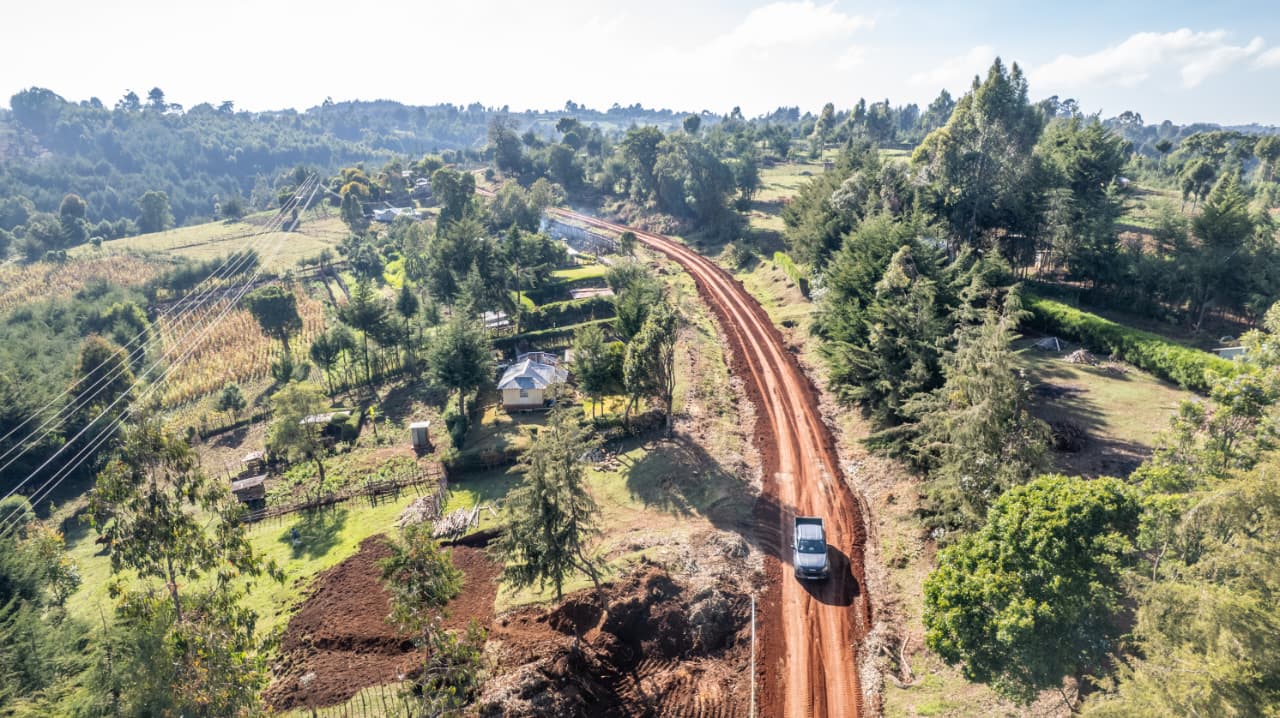
On January 23, 2026, one recruit was killed, and at least 24 others were injured when a vehicle rammed into trainees during a morning run along the Marua–Chaka Road, near the Kiganjo training campus.
That accident raised concerns about the safety of recruits during outdoor training exercises.
The deaths sparked public concern and renewed calls from human rights groups and members of the public for better medical screening before recruitment, closer monitoring during physical training, and improved emergency response systems at training institutions.