
A follower of Prophet Owuor is at the center of a growing medical and legal dispute that has thrown Kenya’s HIV testing system into sharp focus after she tested negative despite earlier being diagnosed and treated as HIV positive in a government facility.
The worshipper in Prophet David Owuor’s ministry had been enrolled in HIV care in September 2023 after testing positive at Ulimau Dispensary with symptoms consistent with infection, including prolonged illness and skin complications.
She later underwent repeat testing at Ugunja Health Facility, where she was again confirmed positive and was placed on antiretroviral therapy (ART) in line with national treatment guidelines.
Records indicate she remained on treatment under the Ministry of Health’s Comprehensive Care Clinic system and was issued with a patient identifier and the standard HIV clinic card, confirming her status within the national program.
Prophet Owuor Healing and Negative HIV Results
The case took an unexpected turn in December 2024 when the woman followed a televised healing crusade led by Prophet Owuor in Menengai, Nakuru.
According to her account, she placed her clinic card on her television screen during Prophet Owuor’s prayers and later reported experiencing what she described as a healing.
Also Read: 11 Casualties and Desperate Screams After Rockfall
Acting on instructions given during the broadcast, she sought fresh HIV tests at a different facility in Bondo, where she was unknown.
The results came back negative. She proceeded to undergo further tests at other facilities, all of which consistently indicated a negative HIV status.
The outcome created a sharp contradiction between her earlier confirmed diagnosis and her new results, raising questions that would later draw in county and national health authorities.
Clinicians at Ugunja reviewed her case and later escalated it to the National AIDS and STI Control Program (NASCOP), which authorized further investigations.
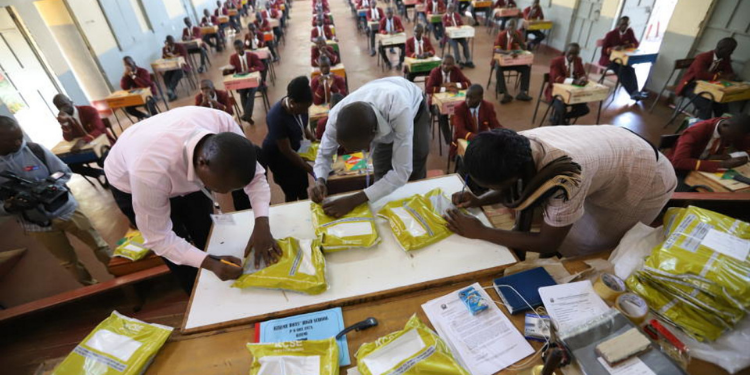
She underwent multiple tests, including advanced PCR and ELISA methods, under the supervision of KEMRI in Kisumu.
However, concerns emerged after several rounds of testing results were not released immediately, with hospital officials instead calling her back for repeat procedures.
Also Read: Ruto Takes Early Lead in 2027 Race as Kalonzo Comes Distant Third
This, according to her legal team, raised questions about transparency and adherence to standard testing protocols.
KEMRI Contradiction
The dispute intensified after KEMRI reportedly issued a letter dated April 20, 2026, stating that there was no evidence the woman had ever been HIV positive, despite her documented treatment history within government records.
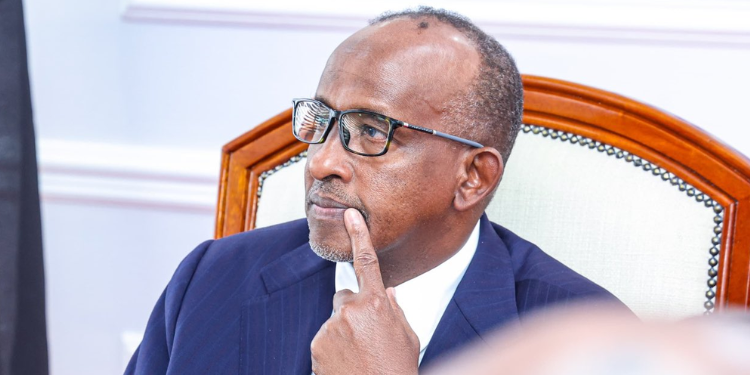
Through her lawyer Danstan Omari, the woman has challenged that conclusion, arguing it directly contradicts her medical records, including confirmed diagnoses, enrolment in care, and long-term use of ARVs under state supervision.
Her advocates maintain that under Kenya’s HIV testing guidelines, a patient cannot be enrolled into treatment or issued with official documentation without confirmed positive results following a strict testing algorithm.
They say the conflicting findings point either to a serious lapse in the testing system or inconsistencies in how the case has been handled.
The matter has since been reported to the Directorate of Criminal Investigations in Bondo, further escalating its significance beyond a medical question into a legal and public-interest issue.
At the heart of the dispute are wider concerns about the reliability of HIV testing processes, the management of patient records, and the responsibility of public institutions in communicating sensitive health information.
The case has also sparked debate over the intersection of faith and medicine, with the woman attributing her current condition to divine healing.
At the same time, medical authorities seek a scientific explanation for the shift in her results.
Lawyer Danstan Omari is now demanding that KEMRI retract its earlier position and that the Ministry of Health clarify whether the country’s HIV testing system remains fully reliable.
“To this end; we note that the ministry of health is required to be adherent to the Kenya prevention and treatment guidelines, 2022. Therefore, we expect within fourteen (14 days) from receipt of this letter that; 1. KEMRI shall retract their conclusion vide the letter dated 20 April 2026. 2. The ministry of health shall clarify whether our client and the general public ought to rely on their scientific system of HIV testing or whether the said has been compromised vis a vis public interest,” said Omari.