President William Ruto has announced KSh80 million in support funding for artisans and mechanics in Nairobi.
According to the president, the funding will facilitate access to modern tools and equipment to complement the Recognition of Prior Learning (RPL) program.
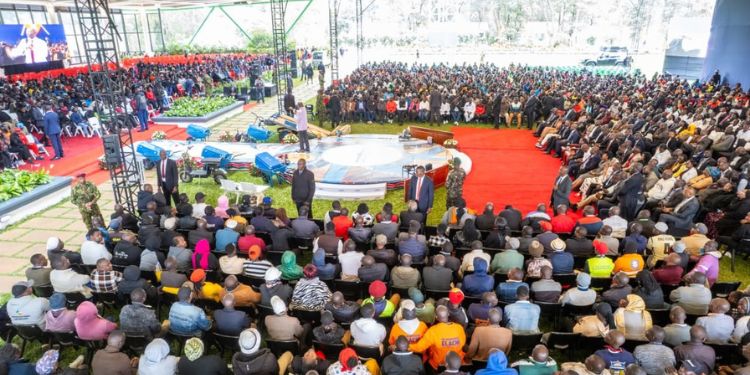
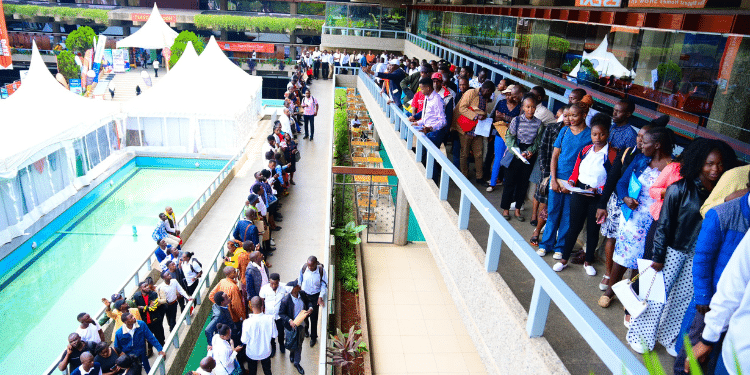
Speaking at State House on July 23, where he hosted more than 5,000 artisans and mechanics, Ruto explained that the government is also expanding the RPL program.
“To further strengthen the informal sector, we will provide KSh80 million to support artisans and mechanics in Nairobi County to acquire modern equipment and tools, enabling them to improve productivity and expand their enterprises,” President William Ruto stated.
More than 40,000 Kenyans have already registered to receive training and certification based on their existing skills, according to the president.
Ruto on Government Support for the Informal Sector
President Ruto noted that artisans and mechanics play a critical role in Kenya’s economy but often face challenges such as inadequate equipment, limited access to financing and insufficient formal recognition of their skills.
The KSh80 million allocation will enable workers to acquire modern tools and equipment, helping them improve efficiency, enhance the quality of their work and increase their earning potential.
In addition, the President emphasized that strengthening small enterprises remains central to the government’s economic transformation agenda.
Further, the government is planning to establish modern workshops for artisans and mechanics across Nairobi.
The President has called upon members of the public to enroll in the RPL program to be formally recognized and gain greater economic opportunities.
Also Read: Blow to Ruto as High Court Declares Public Debt Task Force Unconstitutional
Recognition of Prior Learning Program Application Requirements
Recognition of Prior Learning Program targets individuals who have gained knowledge and expertise through work experience, apprenticeships, self-learning, and informal training.
Rather than requiring such individuals to return to school for qualifications they effectively already possess, RPL allows them to demonstrate their competencies and obtain recognized certification.
Applicants begin by registering through approved assessment centers and submitting evidence of their skills and work experience.
During the RPL application process, interested candidates must provide evidence of required skills.
Also Read: Ruto Defends New University Funding Plan, Compares It to Kibakis Free Primary Education
RPL Assessment
The assessment process begins with counseling and facilitation, where candidates receive guidance on program requirements and certification pathways.
Assessors establish the purpose of the assessment and determine the evidence required to demonstrate competence.
Interviews, practical demonstrations, or workplace observations may be conducted to verify the candidate’s competence.
Evidence of competence received by the assessor is evaluated against national occupational standards before a final judgment is made.
Once the assessment is complete and the required standards are met, the applicant receives certification recognized within Kenya’s qualifications framework.
Candidates who are dissatisfied with the outcome may also seek a review through an appeal process.
The program is open to workers from a variety of sectors, including automotive repair, construction, plumbing, carpentry, welding, electrical installation, tailoring, and other technical trades.
Qualification of the RPL program candidates is conducted by the Kenya National Qualifications Authority (KNQA).
Follow our WhatsApp Channel and X Account for real-time news updates.