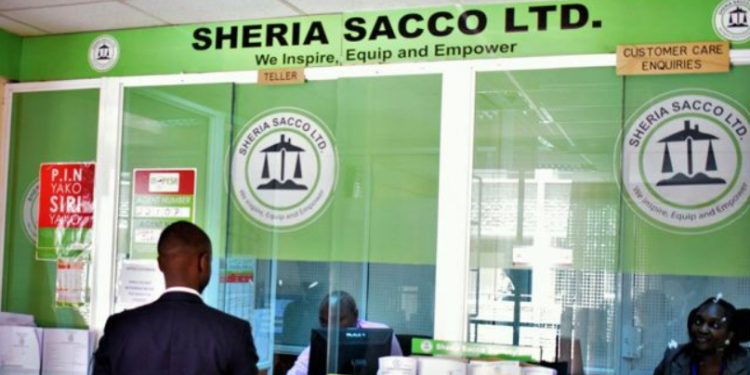
The Sacco Societies Regulatory Authority (SASRA) has issued fresh guidance outlining who qualifies to audit regulated Savings and Credit Cooperative Societies (SACCOs) in Kenya, aimed at strengthening accountability, transparency, and the protection of members’ funds.
In an advisory, the regulator reminded SACCOs that every regulated institution must appoint an external auditor for each financial year and that only qualified and approved auditors should undertake the assignment.
SASRA on Qualified Auditors
According to SASRA, an external auditor must be professionally qualified to practice as an auditor and hold a valid practicing certificate and annual license issued by the Institute of Certified Public Accountants of Kenya (ICPAK).
The auditor must also appear on the Authority’s list of approved and registered external auditors for regulated SACCOs.
The regulator further stated that auditors must be approved by SACCO members at the Annual General Meeting, appointed through the applicable regulatory process, satisfy legal independence requirements and demonstrate the competence and capacity needed to undertake the audit assignment.
Also Read: Foreign Betting Sites Face Ksh50m Penalty for Taking Kenyan Bets
SASRA’s guidance comes as the cooperative sector continues to play a significant role in Kenya’s financial system by mobilizing savings and providing affordable credit to millions of members.
The regulator considers independent audits a critical mechanism for safeguarding member deposits and promoting confidence in the sector.
Who Is Disqualified?
The Authority has also reiterated the categories of individuals barred from auditing regulated SACCOs due to potential conflicts of interest that could compromise an auditor’s independence.
Among those disqualified are officers of the SACCO, partners of SACCO directors, employers or employees of SACCO officers, and officers or employees of entities associated with the SACCO.
Also prohibited are persons connected to individuals who perform routine secretarial or bookkeeping duties for the institution.
SASRA noted that any person specifically disqualified by the Authority is prohibited from auditing a regulated SACCO.
Similarly, audit firms whose partners or employees fall within any prohibited category are also disqualified from undertaking such assignments.
The restrictions are intended to ensure auditors remain independent and capable of providing objective assessments of a SACCO’s financial position, governance structures and regulatory compliance.
Annual Approved SACCO List
The guidance is anchored in Section 45 of the Sacco Societies Act, which empowers SASRA to approve and register external auditors for regulated SACCOs.
The Authority publishes an annual list of approved auditors from which regulated SACCOs are expected to make their selections.
In March this year, SASRA released the list of approved and registered external auditors for the 2026 financial year, stating that only individuals and firms appearing on the list are authorised to provide auditing services to regulated SACCOs.
The regulator has previously warned that financial statements audited by persons or firms not approved by the Authority will not be considered for regulatory approval.
Also Read: Kenya Airways Cancels Nairobi Bound Flight From New York, Sets Conditions for Resumption
External auditors are expected to review financial statements, assess internal controls, examine loan portfolios and evaluate compliance with prudential requirements.
Challenges Facing SACCOs
Kenya’s SACCO sector continues to face a range of challenges despite its crucial role in mobilising savings and providing affordable credit to millions of members.
Among the key concerns are rising loan defaults, fraud and financial mismanagement, cybersecurity threats, and weak governance structures in some institutions.
SACCOs are also under increasing pressure to comply with stricter regulatory requirements on capital adequacy, liquidity, risk management and financial reporting.
In addition, competition from commercial banks and digital lenders, coupled with the high cost of technology adoption, has forced many SACCOs to rethink their business models while maintaining members’ confidence and financial stability.
Follow our WhatsApp Channel and X Account for real-time news updates.