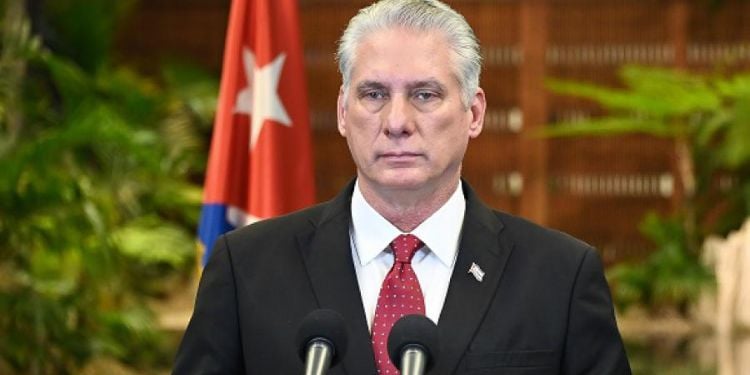
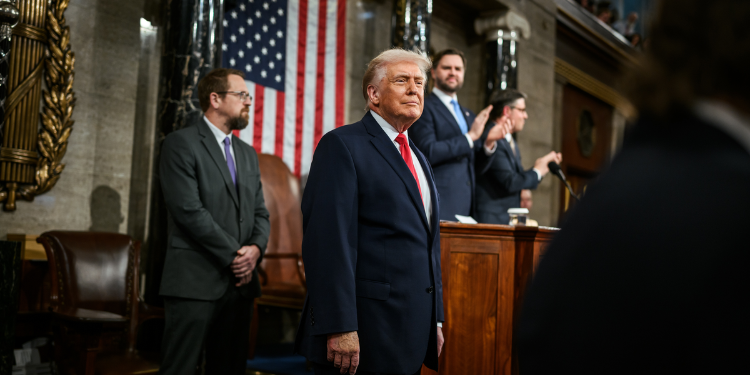
President Donald Trump signalled his next international target after operations in Iran while speaking aboard Air Force One on March 15, 2026, during a press gaggle with reporters as he travelled back to Washington, D.C., from Florida.
Trump stated that the United States is engaging in talks with Cubans but will “do Iran before Cuba,” indicating a clear sequence of foreign policy priorities with Iran as the immediate focus.
“We’re talking to Cuba, but we’re going to do Iran before Cuba,” Trump said.
The U.S. President, in his remarks, signalled that the country is a high‑priority target for U.S. pressure and potential political change following the ongoing military operations in Iran, indicating a sequential focus on foreign policy priorities.
Trump Describes Cuba as “Failed Nation” While Signalling Possible Action
Trump described Cuba as a “failed nation” and indicated that the United States is considering diplomatic engagement or other measures to address the situation.
He noted that the country has expressed interest in making a deal, suggesting that a resolution or action could occur soon, depending on developments.
Additionally, Trump also highlighted the experiences of Cuban expatriates, noting that many were forcibly expelled from the country and that some of their families suffered violence.
Also Read: Blow to Trump as Country Rejects US Military Flyover Requests Tied to Iran War
“We have a lot of great people that happen to vote for Trump, not that that matters, but we have a lot of great people from Cuba that were violently and viciously thrown out of the country and worse, their families were killed,” he spoke.
In his address, he described seeing large numbers of Cuban supporters and Venezuelans as he left Palm Beach, with people waving American flags and expressing enthusiasm for possible future action, suggesting that something significant regarding the country could happen soon after the situation in Iran is addressed.
U.S. Cuba Policy Context Amid Trump’s Sequencing Statements
Trump’s statement about focusing on Iran first came amid a long history of strict U.S. policies toward Cubans, which have been made even tougher during his second term.
Also Read: France’s Macron Ignores Trump’s Panicked Plea after Strait of Hormuz Closure Threats
Since January 2025, the United States has restored and expanded restrictive measures against Cuban government, including re‑designating the country as a state sponsor of terrorism and reinstating sanctions that limit financial transactions and travel while reinforcing the decades‑old U.S. economic embargo.
The Trump administration has also imposed a national emergency related to Cuba, authorising tariffs on imports from countries that supply oil to the island as part of efforts to pressure Havana’s government.
These actions have contributed to severe economic hardship on the island, including fuel shortages and widespread blackouts, which have heightened public unrest and anti-government protests as the population contends with shortages of essential services.
The Cuban government has engaged in talks with U.S. officials amid the crisis, with its leadership indicating a willingness to negotiate while emphasising respect for its sovereignty.