Iran is considering possible military strikes against Israel after a wave of Israeli attacks in Lebanon, raising fears that a fragile regional ceasefire could collapse only hours after it was announced.
The warning was reported by Iran’s semi-official Fars news agency, which quoted an unnamed Iranian official accusing Israel of repeatedly violating a temporary ceasefire in Lebanon.
According to Fars, Iranian leaders believe Israel’s ongoing air and artillery strikes on Lebanese territory are a direct challenge not only to Lebanon’s sovereignty but also to Tehran, which supports Hezbollah, Israel’s main adversary in southern Lebanon.
The official said Iran was “reviewing all options” and did not rule out a direct response if attacks continue.
Israel Continues Attacks in Lebanon
The report stated that Israeli forces launched new strikes on southern Lebanon and parts of Beirut, targeting what Israel described as Hezbollah sites.
Lebanese officials reported that the attacks resulted in civilian casualties and damaged residential buildings, roads, and power lines.
Iran’s Foreign Ministry stated that the Israeli strikes violated the terms of the ceasefire intended to stop cross-border fighting between Israel and Hezbollah.
Also Read: European Nation Advises Its Citizens in Qatar to Prepare for Possible Home Isolation
Spokesman Esmaeil Baqaei said Israel was acting with open disregard for international law and warned that continued attacks would have serious consequences.
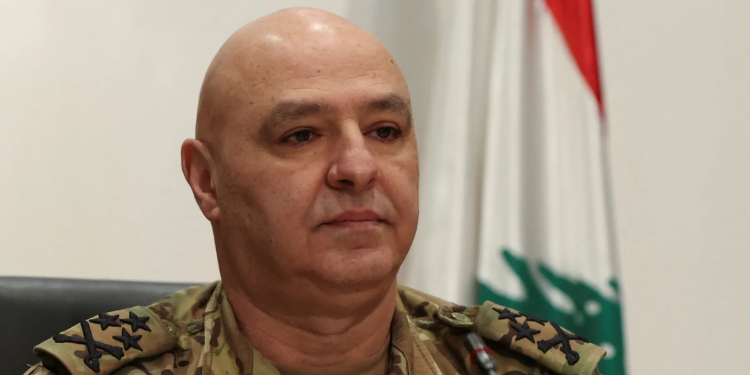
Lebanon’s President Joseph Aoun also condemned the Israeli strikes, calling them systematic and destabilizing.
He said Lebanon had committed to the ceasefire and accused Israel of undermining efforts to restore calm and allow displaced civilians to return home.
Escalation Risk After Fragile Truce
The threat from Iran comes at a sensitive moment, just after Iran and the United States agreed to a two-week ceasefire following weeks of direct confrontation that included US and Israeli strikes on Iranian military and nuclear-linked sites.
The ceasefire was intended to create space for talks through intermediaries and reduce the risk of a wider war.
However, the truce does not include Israel’s actions against Hezbollah in Lebanon.
Israeli officials have stated they will keep targeting Hezbollah as long as the group maintains military positions near the Israeli border.
Israel argues that Hezbollah’s presence violates earlier UN resolutions and poses a security threat to northern Israeli communities.
Iran, however, sees the situation differently.
Also Read: Pakistan Reveals Israel Disrupted US‑Iran Talks at Crucial Stage
Fars reported that Iranian officials believe Israel is using the US-Iran ceasefire as cover to intensify attacks on Iranian allies.
Tehran views Hezbollah as part of what it calls the “axis of resistance”, a network of groups across the region opposed to Israel and the United States.
So far, Iran has not confirmed that a final decision has been made to strike Israel.
The Fars report stressed that discussions are ongoing and that any action would depend on developments on the ground in Lebanon.
Regional and Global Concern Over Wider War
The possibility of Iran launching direct strikes on Israel has concerned regional and global stakeholders, with many warning that such actions could lead to a significant escalation involving multiple countries and militant groups.
The United Nations urged all parties to exercise restraint and adhere to ceasefire agreements.
European governments, including the UK and Spain, also urged Israel to halt strikes that could escalate tensions and asked Iran to refrain from actions that might expand the conflict.
Markets and energy analysts are closely monitoring the situation, as any escalation in fighting could once again threaten shipping through the Strait of Hormuz, a crucial route for global oil supplies.
Previous Iranian threats of regional escalation have already led to sharp fluctuations in oil prices.