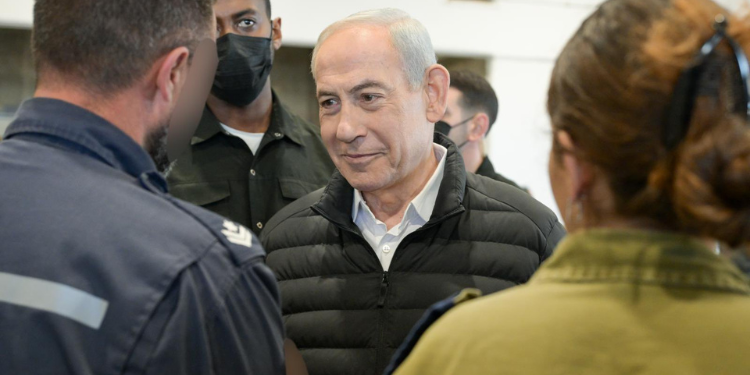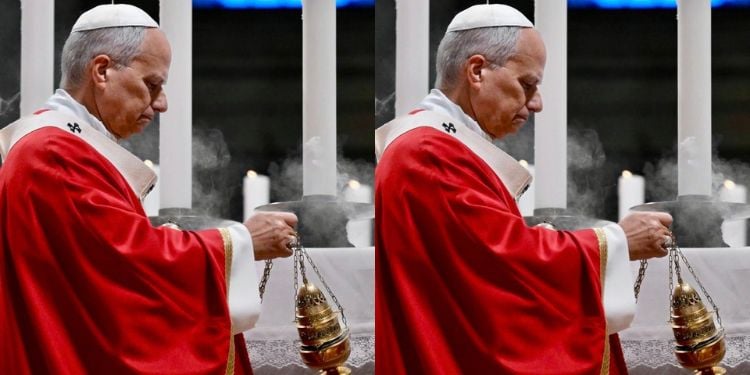
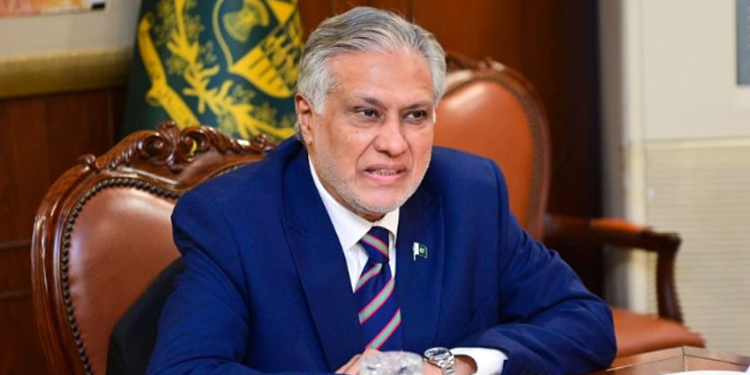
Pakistan has accused Israel of a dangerous escalation that undermines ongoing efforts to facilitate talks between the United States (U.S.) and Iran, after reported Israeli strikes on Iranian territory paused a fragile diplomatic opening.
Speaking before Pakistan’s Senate, Foreign Minister Ishaq Dar stated that Islamabad has been actively mediating between Washington and Tehran as Israel carried out attacks on Iran, disrupting what he described as a mutually agreed path toward dialogue.
Dar said both the US and Iran had accepted Pakistan’s role as a facilitator and had agreed in principle to hold talks in Islamabad.
“We were very optimistic before Monday night,” Dar told lawmakers, according to local broadcaster Geo News.
Israel Faces Backlash from Pakistan
Dar said the situation worsened quickly after the attack, which he said happened just when both sides were at a stage to sit down.
He accused Israel of attempting to sabotage diplomatic efforts aimed at easing tensions between Iran and the US, describing the development as destabilizing at a time when regional escalation risks were already high.
Also Read: Relief for America as Hezbollah Claims Release of US Journalist
According to Dar, Pakistan had played an active role as an intermediary, passing messages and conditions between the two long-standing adversaries.
He said Islamabad delivered Washington’s 15-point conditions to Tehran and, in return, handed Iran’s five-point response to the US.
Iran’s state news agency IRNA reported that Tehran sent its response to a US proposal through Pakistan after two weeks of high-level talks within the Iranian leadership.
The report describes Pakistan as a trusted regional intermediary during a period when direct US-Iran communication is still cut off.
The disclosure points to a rare diplomatic opening between Washington and Tehran following years of stalled negotiations, rising hostilities, and indirect confrontations across the Middle East.
Any momentum toward talks, however tentative, appears to have been overtaken by military escalation.
While Dar did not detail the substance of the exchanged conditions, his remarks indicate that both sides were engaged in structured communication rather than exploratory contact.
He said the discussions were aimed at setting the stage for ceasefire-related talks, suggesting a broader effort to prevent further regional fallout.
Israel has long asserted that it retains the right to use military force against Iran to stop what it views as existential security threats, especially regarding Tehran’s nuclear program and regional proxy networks.
Dar warned that continued military actions risk triggering wider consequences.
Also Read: PM Keir Starmer Issues Statement After Kanye West Barred from Entering UK
He said Islamabad remains committed to de-escalation and dialogue but acknowledged that the latest developments have complicated efforts to bring both sides to the table.
Why Israel Is Resisting an Early End to the War
Israel’s government says it does not want the war to end before its stated security goals are met.
Israeli leaders argue that ending fighting too early would leave armed groups such as Hamas and Hezbollah able to regroup, rearm, and launch future attacks against Israeli territory.
Israel says its aim is to destroy these groups’ military and command structures to prevent a repeat of past attacks.
Another factor is deterrence, as Israeli officials believe a decisive outcome is necessary to signal strength to Iran-backed forces across the region.
They argue that a negotiated pause without clear military results could be seen as a weakness, encouraging further threats.
Members of Israel’s governing coalition have also publicly opposed ceasefires, warning that stopping the war without clear achievements would threaten national security and reduce public trust in the leadership.
Finally, Israel insists that hostages taken during the conflict must be returned before any permanent end to fighting, saying this is a key condition for ending the war.