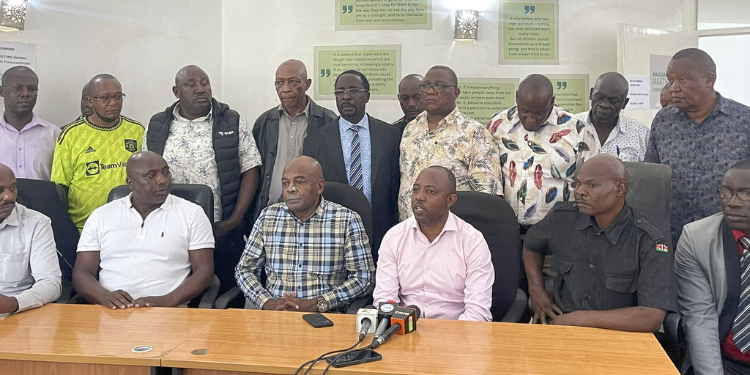

Fresh divisions have emerged within the transport sector after the Motorist Association of Kenya (MAK) accused some industry players of secretly calling off the planned transport strike without consulting other stakeholders.
In a statement issued on Tuesday, MAK condemned what it described as dishonest and underhanded actions by a section of transport sector representatives who allegedly negotiated the suspension of the strike without the knowledge or consent of their partners.
Row Erupts in Transport Sector as Motorists Allege Backdoor Deal to End Strike
The motorists claimed several transport stakeholders were sidelined during the negotiations that led to the cancellation of the industrial action.
“MAK, together with all transport stakeholders who were sidelined in the recent negotiations, we strongly condemn the dishonest and underhanded actions of a few industry players who secretly called off the transport sector strike without the knowledge or consent of their partners,” the statement read.
MAK said the Transport Sector Alliance had spent days mobilizing what it described as one of the largest nationwide protests in recent history.
According to the association, the planned strike had brought together truck owners, trailer operators, taxi and cab associations, bus companies, tour drivers, movers, cargo transporters, pickup owners, boda boda riders, private motorists, commuter groups, and other Kenyans affected by rising fuel prices and the high cost of living.
The association further accused a section of industry players of holding private meetings with government officials, including Cabinet Secretaries and Nairobi Governor Johnson Sakaja, without informing the wider alliance.
MAK argued that the meetings violated agreed rules of engagement, under which government representatives were expected to negotiate before the full alliance rather than individual subsectors.
Also Read: Matatu Strike Called Off with Immediate Effect
MAK’s statement came after matatu operators suspended their strike on Tuesday, May 19, for one week to allow high-level consultations between the government and transport sector stakeholders.
The suspension followed days of transport disruptions linked to protests and industrial action over rising fuel prices.
The demonstrations paralyzed transport in Nairobi and several major towns, leaving thousands of commuters stranded and forcing many Kenyans to walk long distances to work and school.
Matatu Strike Suspended for a Week
The nationwide strike, which began on Monday, May 18, 2026, triggered protests from matatu operators, truck drivers, boda boda riders, and other transport stakeholders.
Transport operators had demanded deeper reductions in diesel prices, arguing that the rising cost of fuel had made operations unsustainable.
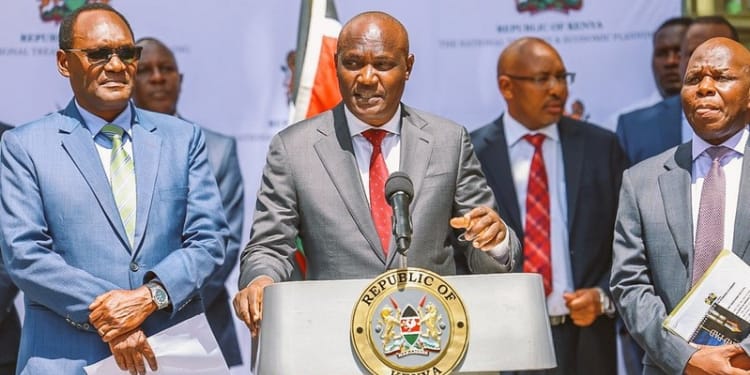
Interior Cabinet Secretary Kipchumba Murkomen said the decision followed an agreement the hold an urgent dialogue to address the grievances raised by operators.
“There was need for negotiations with the stakeholders at a high level and they will take place within the next one week between now and May 26,” Murkomen said.
He added that the suspension of the strike was necessary to create room for consultations and reduce further disruption to transport and economic activities.
Also Read: Murkomen Claims Coordinated Plot Behind Violent Fuel Price Demonstrations
What Transporters’ Officials Said
Meanwhile, Federation of Public Transport Sector CEO Kushian Muchiri welcomed the development, saying negotiations had begun in earnest, although he noted that earlier engagement could have prevented the disruption.
“As much as we would have been happy, we are also glad that at least negotiations have started in earnest,” Muchiri said.
He added, “Had we been taken seriously on Friday, we would not be here. On behalf of the transport sector, mine is to urge all our members to resume operations immediately so that we can assist our customers.”
Muchiri expressed confidence in the process, saying the sector expects tangible outcomes within seven days of negotiations.
The agreement follows government efforts to stabilize transport costs amid global fuel price pressures linked to geopolitical tensions.
Authorities said fuel subsidies and tax adjustments had been used to cushion consumers, including a KSh10 reduction in the price of diesel and KSh12 billion in subsidies applied over two months.