In 2026, Kenya established itself as a global fashion capital, moving towards unique design logic in Nairobi street style trends that are influencing the fashion market.
Fashion designers and thrift stylists are now focusing on the transformation of second-hand clothing into creative Nairobi street style trends.
Further, designers are incorporating the use of readily available materials to come up with creative fashion ideas that promote the sense of aesthetic independence.
“We are not wearing other people’s leftovers. We are reclaiming them, remixing them, and making them ours,” Designer and thrift stylist Wambui Kibue states.
Currently, the street style is a blend of ancestral heritage, sustainability, and Gen Z rebellion against fast fashion.
Nairobi Street Style and Circular Fashion
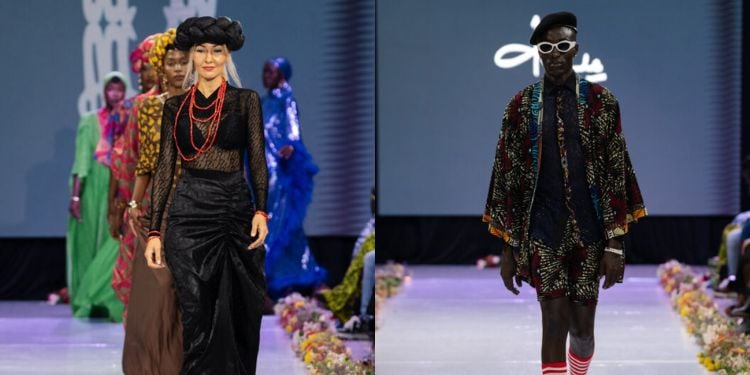
During the Nairobi Fashion Week 2026, held from January 28 to 31 at the Sarit Expo Center, street style fashion was featured by the designers present.
Designers showcased street-style fashion that combined luxury with African heritage, incorporating the evolving fashion trends in Kenya.
Designers such as Yevaàna displayed collections that used tactile materials and linens, transforming them into wearable street-style poetry designs.
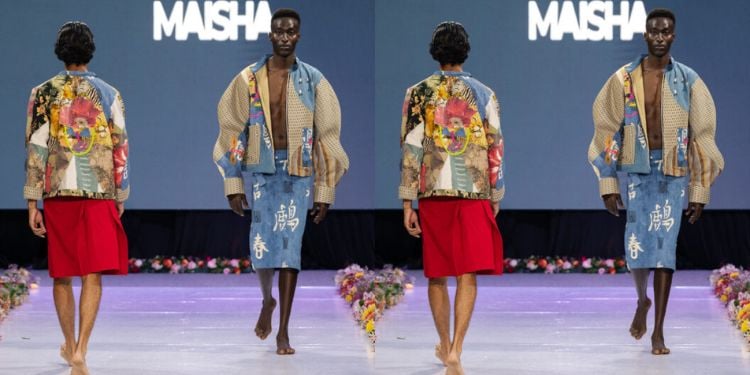
Further, the label Maisha demonstrated how second-hand designer clothes can be transformed into circular high-fashion collections while remaining budget-friendly.
In Nairobi, youths shift their fashion trends to the street-style second-hand markets, including the Toi Market and Gikomba.
Additionally, the street-style design collections can be acquired from the Sarit Center in Westlands, Maasai Market, and Eastleigh.
Alternatively, those enjoying the fashion trends can make purchases online through the digital platforms, including Shopzetu and PigiaMe.
Youth fashion designers and stylists are using the already available mitumba clothes and converting them into makeshift fashion designs that align with the fashion sense of the GenZs.
In addition, through the social media platforms, the street style trend is gaining a following under hashtags such as #StreetStyle254 and #GenZDrip.
Also Read: 2026 Women’s Fashion Trends: Kitenge, Upcycled Denim and Bold Style
Features in Street Style Fashion
Fashion in 2026 has shifted away from the traditional division in fashion design that dictated which clothes were meant for men and which for women.
Street-style trends accommodate genderless fashion designs that promote inclusivity and freedom of fashion expression.
Due the a shift in fashion, clothing labels such as Sevaria and the Zoya X Bold collection by Vivo and Bold Network Africa have gained prominence.
In support of the growing trends of genderless street styles, prominent figures such as Willis Chimano of Sauti Sol incorporate crop tops, low V-necks, and bodysuits.
African Heritage Fashion Blend
John Kaveke at the Nairobi Fashion Week 2026 showcased a fashion collection that blended Maasai heritage and Japanese tailoring.
In addition, streetwear labels like Nairobi Apparel District (NAD), founded by Junior Orina, focus on art-cycled collections made from eco-friendly fabrics to create timeless streetwear pieces.
Also Read: Taxman Introduces Levy on Mitumba Imports; How It Will Help Local Businesses
Trends and Styling
Stylists working towards meeting the street style fashion trends are currently blending the old money aesthetics with the streetwear pieces, adding jewelry as a complementary element of the designs.
Further, designers and stylists are also blending the 80s-inspired fashion designs with current streetwear for aesthetic purposes.
Retro hats, boots, and layered silver jewelry are currently being incorporated into fashion designs as statement accessories to complete the street style fashion.
Additionally, the designers have established collections that work for the cold weather, including leather boots, cashmere trenches, and oversized blazers, usually layered over denim-on-denim looks.
Follow our WhatsApp Channel and X Account for real-time news updates.