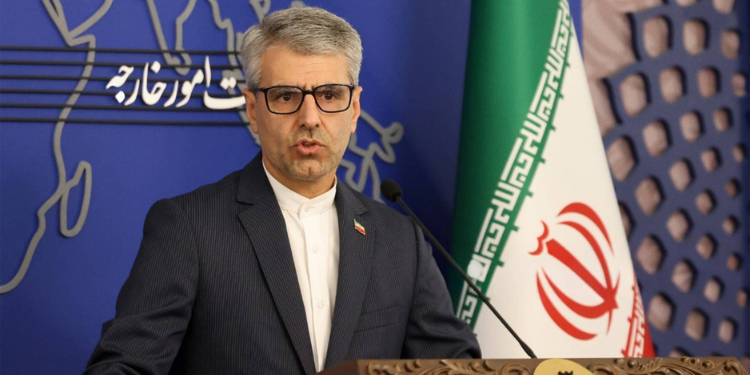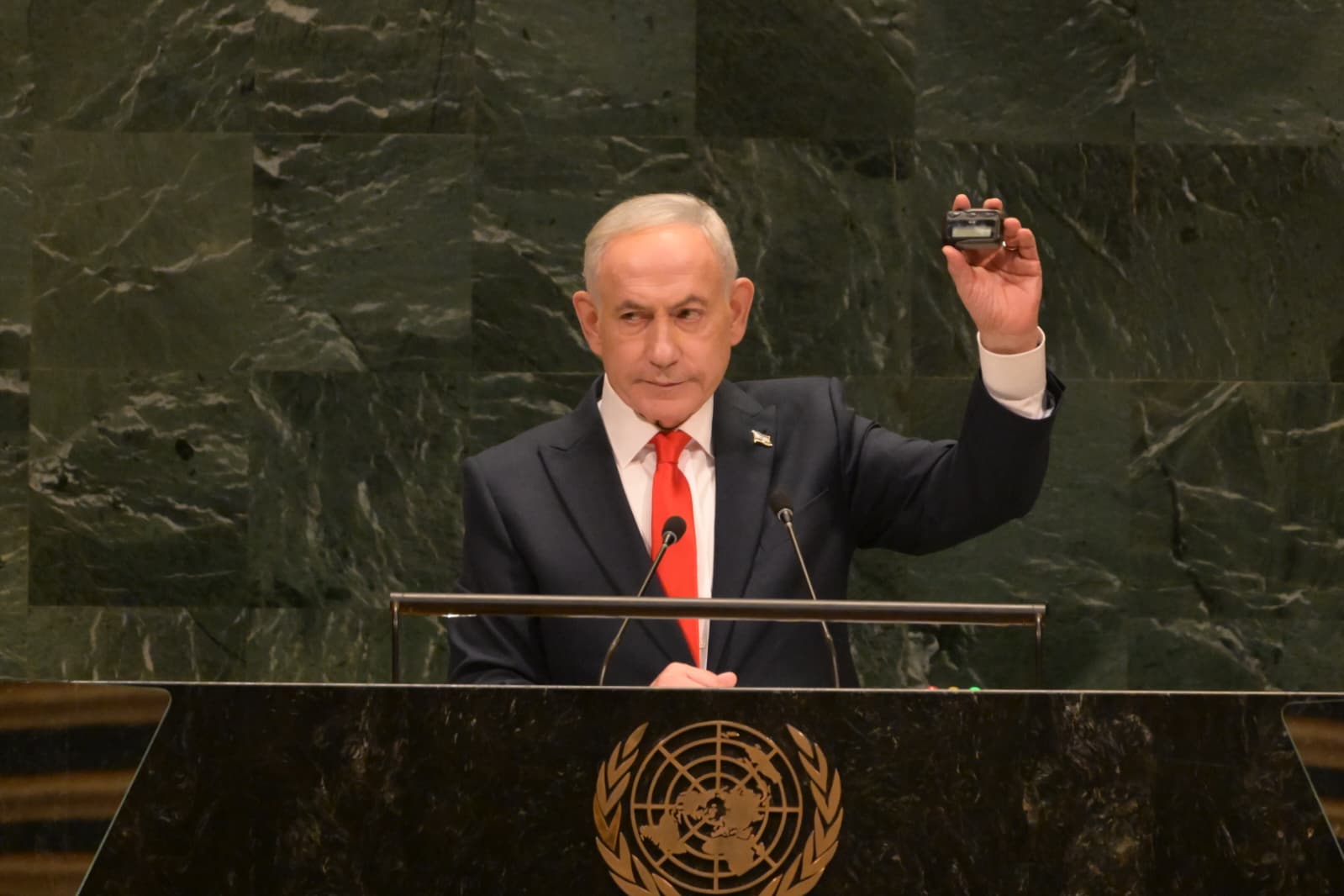
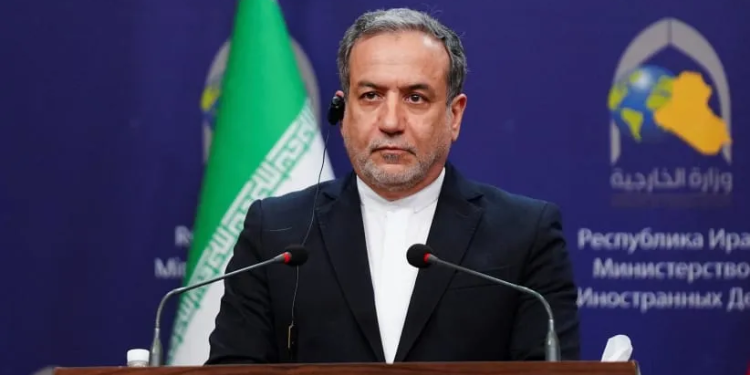
Iran has warned of “grave consequences” following the detention of an Iranian-flagged cargo ship, the MV Touska, by US naval forces in the Gulf of Oman.
Iranian officials demanded the immediate release of the ship and its crew, calling the US action illegal and saying it happened during an active ceasefire.
US forces stopped the Touska on April 19 as it tried to pass through the Strait of Hormuz, a key shipping route between the Persian Gulf and the Arabian Sea.
US Central Command said its guided-missile destroyer USS Spruance stopped the ship after giving several warnings over a few hours.
Iran Piles Pressure on U.S
US officials said the ship did not follow orders to turn back while the US naval blockade on Iranian shipping is still in place.
After the warnings, US forces fired at the ship’s engine room to stop it. Marines then boarded the ship and took control.
The US then detained the Touska and took its crew into custody for further inspection.
US Central Command said the USS Spruance stopped the ship after giving several warnings over a few hours.
Also Read: Chavez-DeRemer Issues Statement After White House Announced Her Exit as Labor Secretary
US officials said the ship did not follow orders to turn back while the US naval blockade on Iranian shipping is still in place.
Marines then boarded the ship and took control.
The US detained the Touska and took its crew into custody for further inspection.
The seizure of the Touska happened at a tense time, with a temporary ceasefire about to end and mediators trying to restart stalled talks.
Talks were planned in Pakistan to discuss extending the truce after weeks of US-Iran tensions in the Middle East.
Why Iran Is Leaving the Planned Talks
Iran has said it will not take part in the planned talks in Pakistan, giving several reasons for its decision.
Also Read: Americans Demand Answers From Trump as Tens of Millions Go Missing
Iran said the US demands were excessive and did not reflect the reality of the talks.
They also said the US kept changing its positions and commitments without warning, which made Iran lose trust in the process.
Iran also sees the ongoing US naval blockade of its ports in the Strait of Hormuz as a direct violation of the ceasefire and as an act that hurts diplomacy.
The recent seizure of the Touska made those feelings even stronger.
The two sides disagree about what the truce covers, especially whether it includes Israeli actions in Lebanon, which has made the diplomatic gap wider.
As the ceasefire deadline approaches, the US has maintained its military presence and enforcement actions, changing the situation for negotiations.
US Navy ships have remained on high alert in the Gulf, with destroyers and patrol boats maintaining a strong presence along key shipping routes.
Washington has also kept up strict enforcement of its maritime blockade, inspecting ships, stopping vessels, and warning those it says are trying to break the rules.