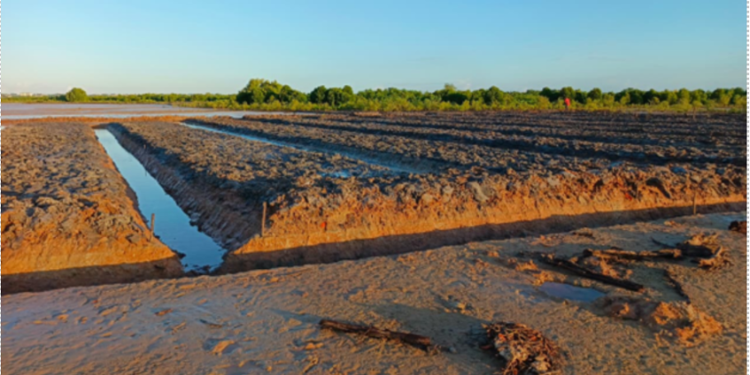
Scientific research and innovation will remain at the centre of Kenya’s efforts to restore degraded mangrove ecosystems as the country scales up conservation initiatives to strengthen climate resilience and support sustainable coastal livelihoods.
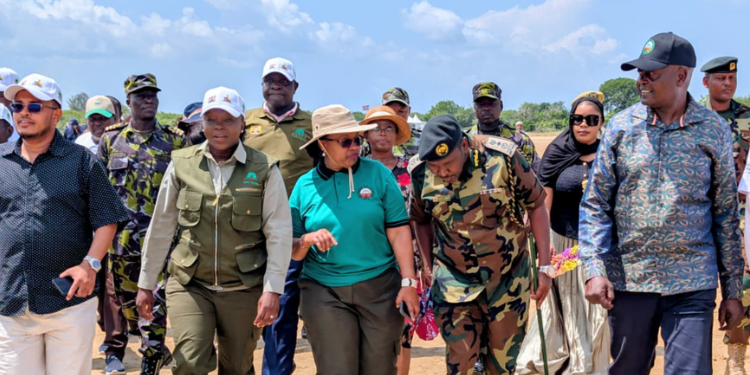
Speaking during the World Mangrove Day celebrations at the KEFRI Grounds in Mokowe, Lamu County, Kenya Forestry Research Institute (KEFRI) Chief Executive Officer Dr. Jane Njuguna said restoring mangrove ecosystems requires evidence-based approaches that match the right species to the right environment.
She said research institutions have a critical role in generating the knowledge and technologies needed to improve restoration outcomes and guide sustainable management of Kenya’s coastal forests.
“Healthy mangroves don’t happen by chance, they are built on science. At KEFRI, we are generating the research, technologies and innovations that enable Kenya to restore mangrove ecosystems effectively and sustainably,” said Dr. Njuguna.
She noted that scientific research has become increasingly important as climate change, human activities and environmental degradation continue to threaten mangrove ecosystems along Kenya’s coastline.
Also Read: Government Rallies Stakeholders to Shape Kenya’s Mangrove Future
Mangroves are among the world’s most productive ecosystems, serving as breeding grounds for fish and other marine species while protecting coastlines from erosion, storm surges and flooding. They also store significant amounts of carbon, making them an important natural solution in the fight against climate change.
Kenya is home to approximately 61,271 hectares of mangrove forests spread across Lamu, Kilifi, Kwale, Mombasa and Tana River counties. Lamu alone accounts for about 61 per cent of the country’s mangrove cover, making it a strategic location for national restoration efforts.
Despite their ecological and economic importance, Kenya’s mangrove forests continue to face numerous threats, including illegal harvesting, pollution, encroachment, coastal development, sedimentation caused by poor agricultural practices, reduced freshwater flows and the effects of climate change.
The State Department for Forestry estimates that Kenya loses about 0.7 per cent of its mangrove cover every year, resulting in declining fisheries production, degradation of seagrass beds and coral reefs, and reduced availability of quality mangrove wood products.
Dr. Njuguna spoke after scientists, policymakers, conservation organisations and development partners concluded a two-day National Mangrove Stakeholder Forum that reviewed the implementation of the National Mangrove Ecosystem Management Plan (2017–2027) and explored priorities for the next phase of mangrove conservation.
Among the key issues discussed were the application of research, technology and innovation in mangrove monitoring, improving governance, strengthening community-led conservation and mobilising investment to accelerate ecosystem restoration.
The forum also generated recommendations expected to inform the development of Kenya’s next National Mangrove Management Strategy once the current plan comes to an end.
Also Read: KFS, Scouts Turn Guinness Bid Into Major Mangrove Restoration Mission
Organised by the State Department for Forestry in collaboration with KEFRI, the Kenya Forest Service and members of the Global Mangrove Alliance, the World Mangrove Day celebrations highlighted the importance of integrating science with policy and community action to safeguard one of Kenya’s most valuable coastal ecosystems.
Stakeholders expressed optimism that stronger research partnerships and the adoption of innovative restoration technologies will enhance the survival of restored mangrove forests while supporting biodiversity conservation, climate resilience and the sustainable growth of Kenya’s blue economy.
Follow our WhatsApp Channel and X Account for real-time news updates.