President William Ruto has explained how his administration saved the Kenyan shilling from collapsing.
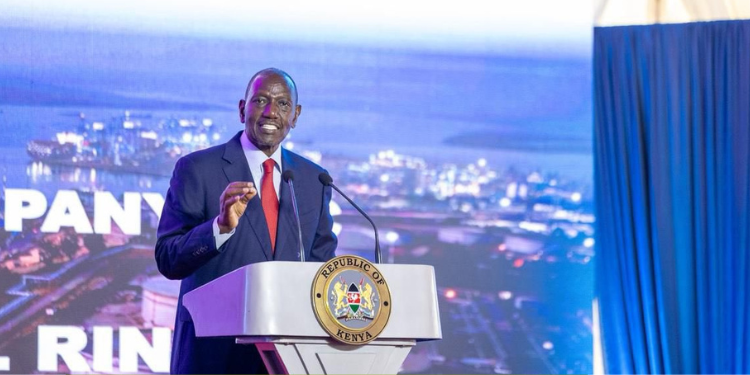
Speaking at the ODM-UDA Joint Broad-Based Parliamentary Group meeting on March 10 at the KICC in Nairobi, Ruto explained the risks Kenya faced and the actions his government implemented to protect the economy.
He also compared Kenya with other African countries that were at risk of defaulting on debt.
Debt Threat and Avoiding Default
President Ruto stated that debt management was among the pillars his administration would tackle, warning that public debt could bring Kenya to its knees.
Also Read: Ruto Announces Plan for Pensions for Governors and MCAs
According to Ruto, defaulting could have spelled catastrophic consequences in the country.
“And so the first thing when we came into office, we said we can’t, this country cannot default. Because many people don’t understand the consequences of a country defaulting on its foreign obligations. It just turns your economy into something else. Just look at what happened in one of our neighboring countries. I don’t want to mention names. When they defaulted, their currency was devalued by 100%. Just imagine, Kenya’s currency moving from $120,000 to $100,000, ” said Ruto.
The president stressed that the previous approach of waiting for the crisis to hit was unsustainable. Kenya Kwanza administration’s priority, he explained, was to act swiftly to prevent default and protect the nation’s financial stability.
Cutting Government Spending and Removing Subsidies
President Ruto has also revealed that his administration had to make difficult decisions in order to avoid defaulting.
This included:
- Cutting spending by about KSh300 billion
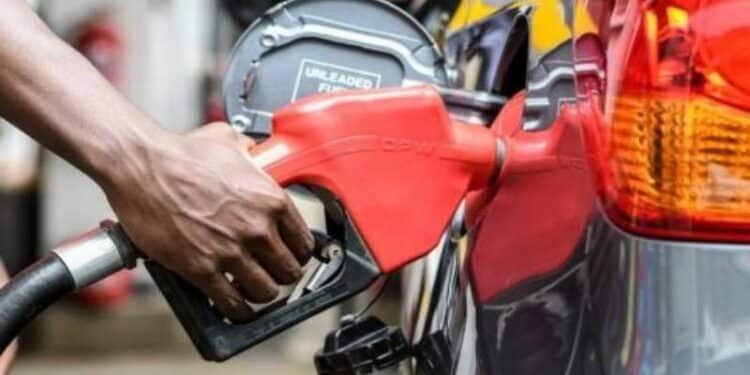
- Ending subsidies on prices of commodities like flour and fuel
- Stalling some project
- Pulling back from borrowing
“We made sure that we did whatever it took, and I appreciate that I had to make some very difficult decisions for us to be able to escape that default. We had to cut down on spending by about 300 billion. We had to remove subsidies on UNGA. We had to remove subsidies on fuel. We had to eliminate, we had to stall some of our projects, because we had to pull back from continuous borrowing,” added Ruto.
Also Read: Ruto Sets Timelines for Compensation of Protest Victims, Pledges Ksh2 Billion
Debt Reorganization and Market Confidence
Ruto emphasized that his administration had to restructure Kenya’s debt management.
This included negotiating with creditors to secure better repayment terms and ensuring that future borrowing remained sustainable.
By taking these steps, the government restored investor confidence, demonstrating that Kenya was committed to responsible economic management.
According to Ruto, the government has stabilized debt portfolios so they do not threaten fiscal sustainability.
“The debts that were due next year, we now have no debts due in 2027. We don’t have a, we have a small debt due in 2028. Then we will go to 2037. We have reorganized our debt portfolio so that it doesn’t threaten our fiscal sustainability.”
Follow our WhatsApp Channel and X Account for real-time news updates.