
The Kenya Transporters Association (KTA) has advised its members to immediately review cost structures and adjust transport rates to reflect new fuel prices.
In an advisory dated April 14, KTA said the fuel price increase is expected to push overall transport costs up by approximately 13 to 14 percent, based on the proportion of fuel in total operating expenses.
“Members are advised that such a substantial rise in input costs cannot be absorbed sustainably. It is therefore necessary for all members to immediately review their cost structures and adjust transport rates accordingly to reflect the new cost realities,” read part of the statement.
KTA to Adjust Cost of Transport
KTA said the significant jump in fuel prices cannot be sustainably absorbed by transporters.
Members have been urged to promptly engage customers and contractual partners, clearly communicating the basis of the adjustments to ensure transparency and continuity of service.
The association noted that fuel remains the single largest expense in road freight transport, accounting for roughly 55 percent of total operating costs.
KTA said it will continue to monitor fuel pricing trends while advocating for the interests of transporters in Kenya and the wider region.
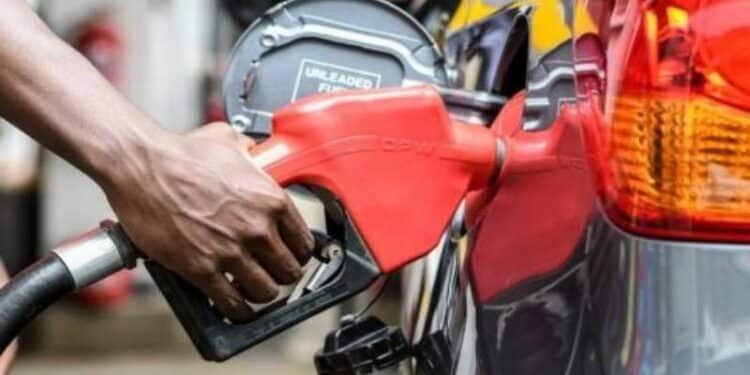
This follows a sharp increase in Diesel prices, which rose by Ksh40 per litre from Ksh163 to Ksh203, representing a 24.5 percent jump.
Also Read: EPRA Increases Petrol and Diesel Prices by Up to Ksh40
Matatu Fare Set to Increase
At the same time, the Matatu Owners Association President, Albert Karacha, stated that the transport fares are set to increase effective April 15.
Speaking in an interview on April 14, Albert said matatu owners have been consulting and are preparing to revise bus fares upward in response to the Ksh40-per-liter increase in Diesel prices, citing a significant rise in operating costs.
“I think from tomorrow we will be consulting and we will push the prices for bus fare up starting from tomorrow because if you see that we normally use Diesel and the Diesel has gone up by Ksh40,” he said.
He noted that the new fuel prices translate into higher daily expenditure for public transport operators, pushing effective costs to about Ksh206 per liter when operational factors are taken into account.
Also Read: How EPRA Calculates Retail Fuel Prices
While confirming the planned fare adjustments, the association president acknowledged that the changes will ultimately affect ordinary commuters, who bear the burden of higher transport costs.
He added that discussions with operators across the country are ongoing, but a fare review is expected as the sector responds to the increased fuel prices.
EPRA Increases Fuel Prices
The Energy and Petroleum Regulatory Authority (EPRA) announced the maximum retail prices for petroleum products, effective from April 15, 2025, to May 14, 2026.
In the period under review, the maximum allowed petroleum pump prices for Super Petrol and Diesel increased by KSh28.69/liter and KSh 40.30/liter, respectively, while the price of Kerosene remained unchanged.
In Nairobi, Super Petrol, Diesel and Kerosene now retail at Ksh206.97, Ksh206.84 and Ksh52.78 effective midnight for the next 30 days.