Kenya may be approaching the 2027 election asking the wrong question. We are asking: Who should become president? Perhaps the more important question is: What kind of president should Kenya elect?
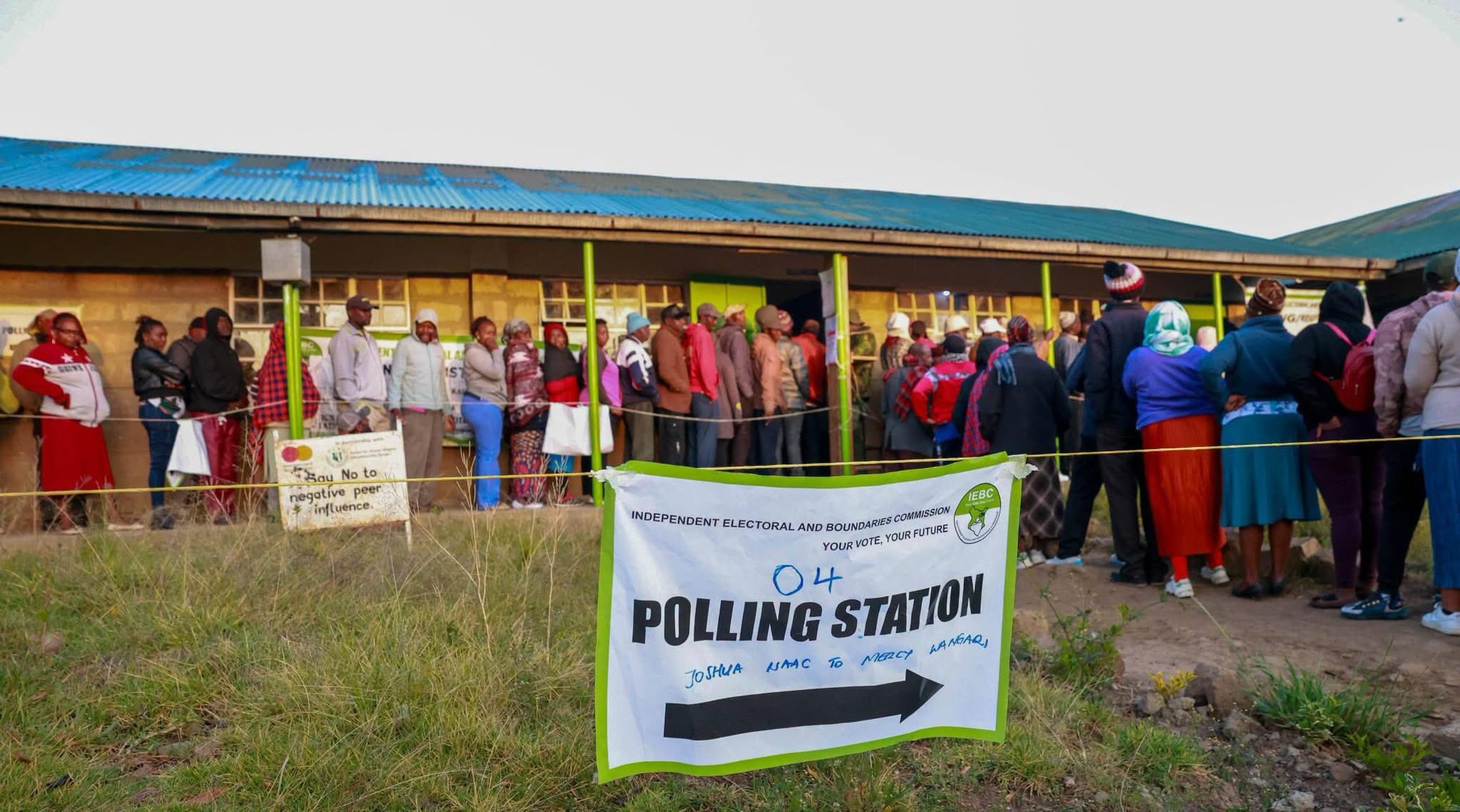
For decades, our elections have revolved around personalities, tribes, coalitions, slogans, manifestos and political arithmetic. We calculate which community has how many votes, who should become whose running mate and which alliance can assemble the magical numbers required to capture State House.
Then, after the election, we spend five years complaining about corruption, abuse of power, tribalism, police brutality, unemployment, inequality and disregard for the rule of law.
Then another election arrives. And we repeat the process. Maybe 2027 should be different. Maybe, for once, Kenyans should give the Constitution a chance.
The Constitution Already Wrote the Manifesto
Our Constitution is now sixteen years old. It remains one of the most progressive constitutional documents on the continent. Yet sometimes it feels as though the provision political leaders respect most consistently is the requirement to hold elections periodically.
Everything else becomes negotiable. Integrity becomes negotiable. Accountability becomes negotiable. Public participation becomes negotiable. Independent institutions become negotiable. The separation of powers becomes negotiable. Even constitutional rights sometimes appear negotiable depending on who is exercising them and whom they are criticising.
Also Read: When the President Warns You Against Electing a Thief
But read the Preamble of our Constitution again. It speaks of human rights, equality, freedom, democracy, social justice and the rule of law. That is already a national manifesto. Chapter Six demands leadership and integrity. Article 10 establishes national values including democracy, participation of the people, good governance, integrity, transparency and accountability. The Bill of Rights protects human dignity, equality, freedom of expression, assembly and political participation.
Devolution was designed to take resources and decision-making closer to citizens. Independent institutions were deliberately created to place constitutional limits on the enormous powers of the presidency.
What more elaborate manifesto do Kenyans require? Our fundamental problem has never been a shortage of beautifully written political promises. Kenya has enough manifestos to fill a library. Our problem is implementation.
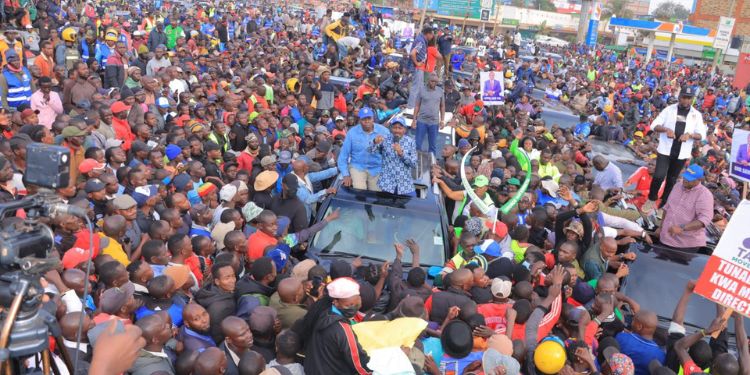
Promises Keep Coming. Implementation Does Not
Every five years, politicians arrive carrying glossy documents promising millions of jobs, cheaper food, better healthcare, affordable housing, improved education, lower taxes, and economic transformation.
Then reality intervenes. Institutions remain vulnerable to political interference. Corruption scandals emerge. Public debt grows. Taxes increase. Young graduates remain unemployed. Citizens complain about public services while political elites continue enjoying privileges unimaginable to the people financing government.
Then politicians begin preparing another manifesto. Perhaps Kenyans should respond: No, thank you. Implement the Constitution first. Because if we implemented the Constitution faithfully, much of what politicians promise during campaigns would naturally follow.
A government genuinely committed to Article 10 would have to practise accountability. A government respecting Chapter Six would have to take integrity seriously. A government respecting Article 201 would have to demonstrate openness, accountability and prudent management of public money. A government respecting the Bill of Rights would understand that criticism is not rebellion and peaceful protest is not an enemy operation. A government committed to devolution would not treat counties as inconvenient competitors to the national executive.
State House Does Not Own Kenya
A president who genuinely understood constitutionalism would recognise that State House does not own Kenya. The presidency is merely one institution in a constitutional republic. That distinction matters enormously.
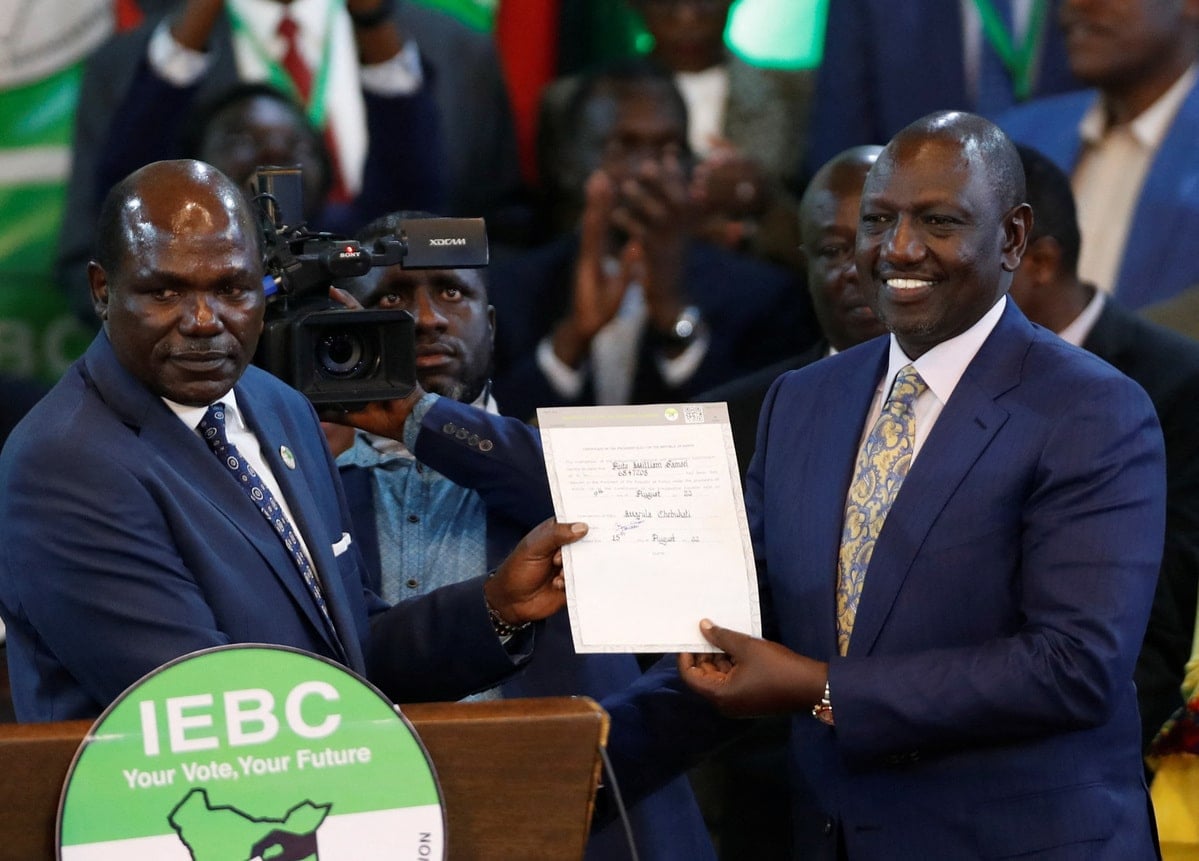
The question facing Kenya in 2027 therefore goes beyond whether William Ruto deserves another term. It is whether the political culture of excessive presidential power should continue to dominate our republic. President Ruto took an oath to protect and defend the Constitution, as every president must. Kenyans are entitled to judge his administration against that oath.
Not against speeches. Not against slogans. Not against political rallies. Against the Constitution. Has government strengthened independent institutions? Has the government managed public money with the transparency Kenyans deserve? Has merit consistently prevailed over political connections? Has government protected freedom of expression and assembly? Have citizens experienced equality before the law? Has devolution been strengthened? Has Chapter Six become more meaningful?
Those are far more important questions than how many people attend a rally. And they should guide the search for Kenya’s next president.
The Test Is Restraint, Not Rhetoric
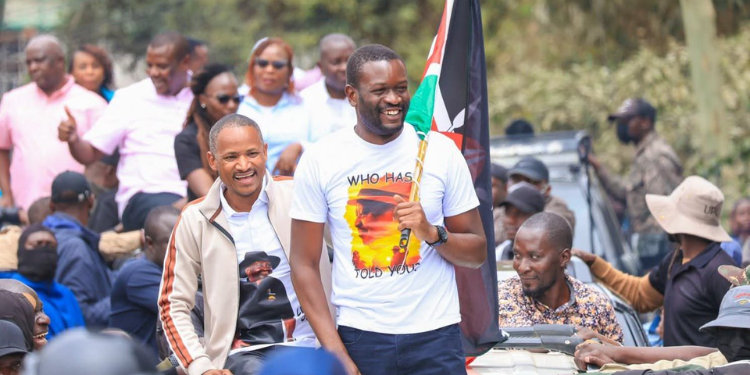
This is also why Edwin Sifuna has become an interesting figure in the emerging national conversation. Whether one supports him or not, his strongest political weapon is not ethnicity, wealth or an elaborate political machine. It is his insistence on returning political arguments to the Constitution.
That matters. Kenya desperately needs a presidential debate in which candidates compete over who can best defend institutions rather than who can best capture them. Let candidates explain how they will protect judicial independence. Let them explain how appointments will become genuinely merit-based. Let them explain how Parliament will regain its independence from the Executive. Let them explain how they will protect police professionalism from political interference. Let them explain how counties will receive resources predictably. Let them explain how they will confront corruption even when politically connected individuals are involved. Let them explain how government procurement will become transparent. And above all, let them demonstrate, not merely tell us, that they believe presidential power must have limits.
Also Read: Mr President, Kenyans Have a Choice, And God Is Not on the Ballot
That should be the examination every presidential candidate sits in 2027. Because constitutionalism is not simply carrying a copy of the Constitution to rallies. It is accepting restraint when you possess power. Almost every politician loves constitutional rights when they are in opposition. The real test comes after entering State House. Will you obey a court judgment that frustrates your programme? Will you tolerate demonstrations against your government? Will you allow Parliament to reject your proposals? Will independent institutions investigate your allies? Will public appointments go to qualified Kenyans rather than political loyalists? Will counties receive what belongs to them even when their governors oppose you politically?
That is constitutionalism.
Institutions Stronger Than Individuals
Kenya does not need another political messiah. We have travelled that road too many times. We need institutions stronger than individuals. We need laws stronger than political friendships. We need citizens stronger than political patronage. And we need a president who understands that occupying State House does not place anyone above the constitutional architecture surrounding that office. Sixteen years after promulgating the 2010 Constitution, perhaps the greatest political revolution available to Kenya is surprisingly simple: Implement it.
In 2027, therefore, let us give constitutionalism a chance. Let us give the rule of law a chance. Let us give genuine devolution a chance. Let us give integrity a chance. Let us give accountable leadership a chance. And if Edwin Sifuna wants to present himself as the candidate of that constitutional republic, then he should be judged by precisely that standard, and held to it if entrusted with power.
Because ultimately, Kenya’s salvation cannot reside in William Ruto, Edwin Sifuna or any other individual. It must reside in something bigger than all of them. The Constitution. We have tried powerful men. In 2027, let us try powerful institutions.
Follow our WhatsApp Channel and X Account for real-time news updates.