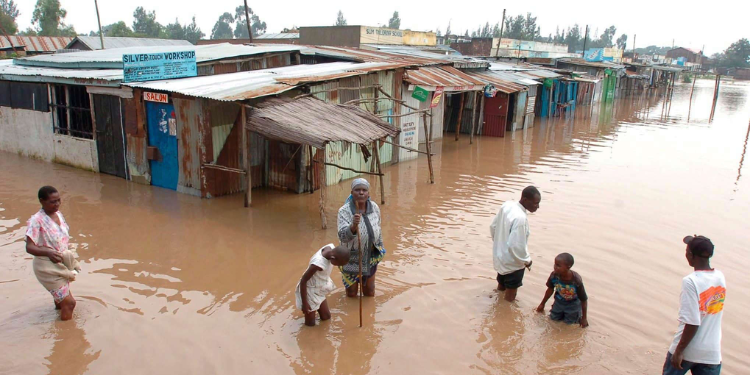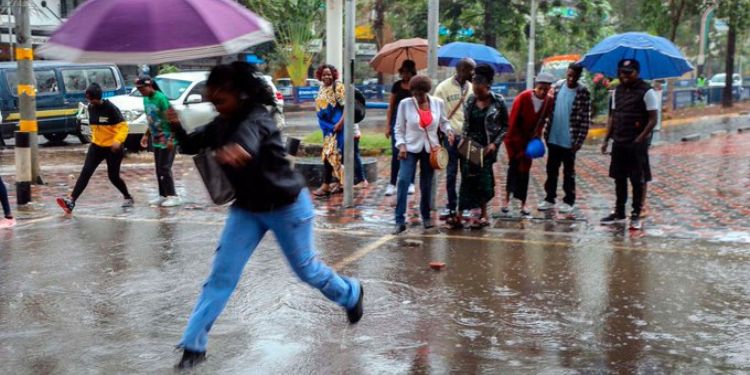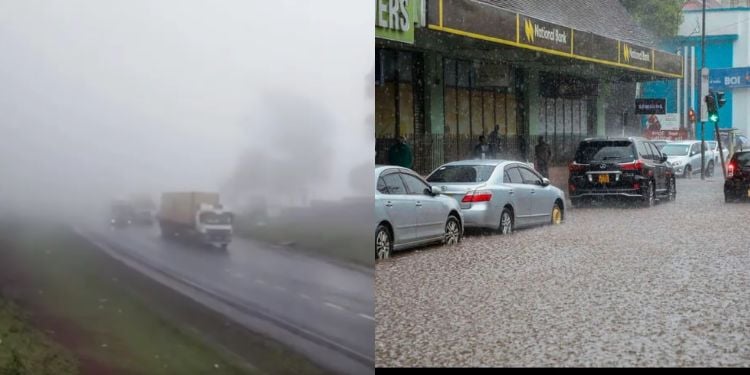
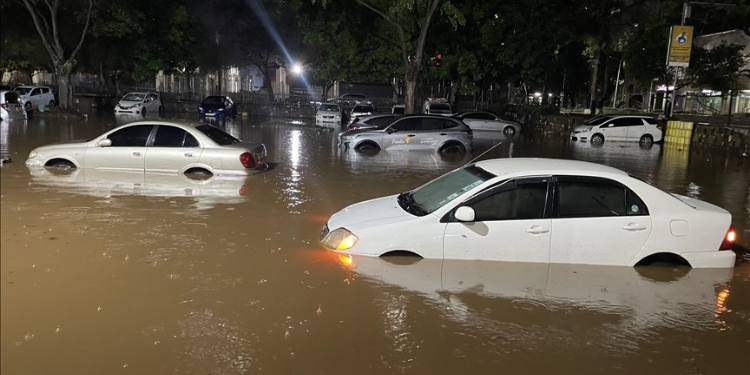
Kenya faces three major types of flooding during the October-November-December (OND) rainy season as El Niño conditions persist, with the Kenya Meteorological Service (KMS) identifying riverine, flash, and urban flooding as the main threats.
KMS Assistant Director Zacharia Mwai said on September 11 that areas such as Wajir and Mandera in northern Kenya are particularly vulnerable to flash flooding because sparse vegetation allows heavy rainfall to generate rapid surface runoff.
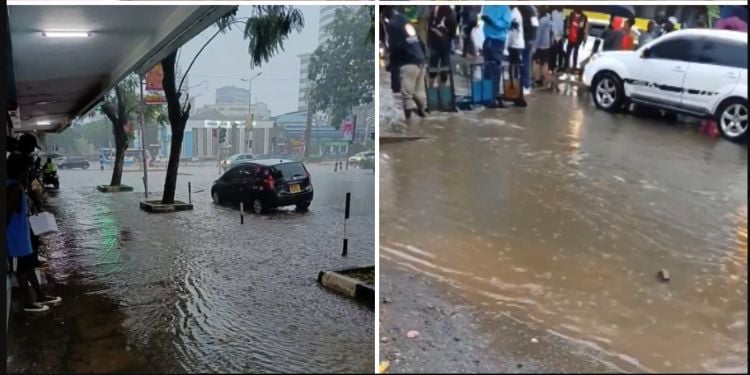
He added that Nairobi, Mombasa, and parts of Kisumu risk urban flooding, particularly where drainage systems cannot cope with heavy rainfall.
“We have areas like Wajir, Mandera and the northern part of the country. These areas have sparse vegetation cover, so during episodic rainfall, you can expect a lot of flash flooding. The Kenya Meteorological Service also identifies Nairobi, Mombasa and parts of Kisumu as vulnerable to urban flooding, particularly where drainage systems cannot cope with heavy rainfall,” said KMS Assistant Director Zacharia Mwai.
KMS Says Three Types of Flooding Expected During El Niño Rains
The flood risk will vary depending on the region. In the Lower Tana Basin, the Tana River and parts of Garissa are vulnerable to riverine flooding as water from the upper reaches moves downstream.
In the Lake Victoria Basin, rivers such as Nyando and Yala remain prone to overflowing their banks.
Parts of northern and northeastern Kenya face a different threat, with dry river channels that can turn into fast-moving torrents during heavy rainfall.
Nairobi, Mombasa, and parts of Kisumu are also vulnerable to urban flooding, particularly where drainage systems cannot handle heavy rainfall.
Additionally, KMS assessment estimates that about 1.5 million people across all 47 counties could be affected by flooding during the rainy season.
Also Read: Kenya Met Explains How 2026 El Niño Compares to 1997
Red Cross Flood Assessment
The Kenya Red Cross Secretary General, Dr Ahmed Idris, warned that the rains could mirror some of the country’s most severe weather events, raising the risk of flooding, landslides, disease outbreaks and damage to critical infrastructure.
According to the Society, more than two million people across 46 of Kenya’s 47 counties faced severe flood and displacement risks during the expected October–December 2026 El Niño rains.
It also identified Garissa, Tana River, coastal counties, parts of Western Kenya, Baringo, and West Pokot as areas facing significant risks.
Nairobi was also considered vulnerable to urban flooding due to restricted drainage systems and extensive concrete surfaces, with several flood hotspots mapped across the city.
Disaster preparedness efforts at both the national and county levels were estimated to be 70 to 75 percent complete.
The Kenya Red Cross had positioned 42 to 50 rescue boats across the country and strengthened training for emergency response teams.
The agency will also coordinate with the Kenya Defense Forces (KDF) and the National Youth Service (NYS) to support early warnings, evacuations, and emergency response.
Also Read: Govt Orders Evacuation in 5 Regions Ahead of El Niño Rains
El Niño Is Already Here
On September 8, KMS said El Niño conditions were already present and had contributed to prolonged dry spells and unusual temperature patterns in parts of Kenya.
KMSA climate scientist and Head of the Public Weather Services Section Hannah Kimani cautioned against viewing El Niño solely as a rainfall event or a precursor to flooding.
She explained that El Niño occurs when sea surface temperatures in parts of the central and eastern equatorial Pacific Ocean become warmer than normal, disrupting global circulation patterns and affecting rainfall and temperatures in different parts of the world.
“El Niño is not coming; El Niño is already here with us. El Niño is not rainfall, as most Kenyans believe. It basically changes the patterns in the whole world. In Kenya, it is associated with depressed rainfall or below-average rainfall over the western half of the country and the North Rift,” Kimani said.
Follow our WhatsApp Channel and X Account for real-time news updates.