Iran launched ballistic missiles at northern Israel on Sunday, the first such direct attack since a U.S.-Iran and Israeli-brokered ceasefire took hold in early April.
The Israeli military said it intercepted most of the incoming missiles and detected additional launches.
There were no immediate reports of casualties or significant damage in Israel. Air-raid sirens sounded in northern communities, and loud blasts were heard overhead.
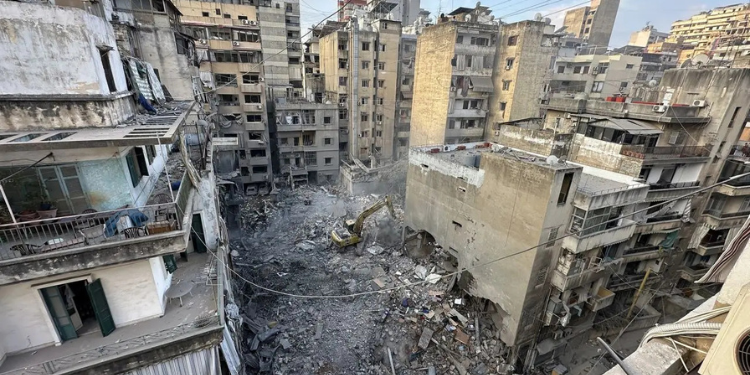
The strikes came hours after Israel bombed Hezbollah targets in the southern outskirts of Beirut, a stronghold of the Iran-backed group. Lebanese state media reported at least two people killed and damage to apartment buildings in the Dahiya area.
Ceasefire Collapses
The exchange marks a sharp escalation and the effective end of the fragile truce that paused the wider U.S.-Israeli war with Iran.
That conflict began in late February with intense airstrikes on Iranian targets that killed thousands, mostly in Iran and Lebanon, and severely disrupted oil traffic through the Strait of Hormuz.
Also Read: Trump Blames Iran’s Strength and Pride for Stalled Nuclear Talks
Iranian officials described the missile attack as a measured response to Israeli aggression against Lebanon.
Mohsen Rezaei, an adviser to Iran’s supreme leader, said Tehran had warned it would not tolerate violations of the ceasefire or attacks on its ally Hezbollah.
“Tonight, the aggressors received their response,” Rezaei wrote on social media.
In Israel, hard-line members of the governing coalition demanded a strong retaliation. National Security Minister Itamar Ben-Gvir posted: “Iran must burn tonight.”
Another lawmaker from Prime Minister Benjamin Netanyahu’s party called for the “immediate renewal of full-on fighting.” Education Minister Yoav Kisch announced that schools nationwide would close on Monday.
Trump Administration Response
In a “Meet the Press” interview taped on Friday and aired Sunday, President Trump said he was not insisting that a ceasefire between Israel and Lebanon be included in any final deal to end the conflict with Iran.
“I think they’d like to see it, but I’m not demanding,” Trump said.
Also Read: Iran Warns Trump: Give Us $24 Billion or We Drag War Into Indian Ocean, Red Sea, and Mediterranean
The White House did not immediately comment on Sunday’s events or confirm whether it was briefed on the Israeli strike in Beirut. Negotiations between the U.S. and Iran have stalled in recent weeks.
A key dispute involves Iran’s demands to halt Israeli operations against Hezbollah as part of any broader agreement. Hezbollah has continued low-level attacks on northern Israel, prompting Israeli ground operations in southern Lebanon and repeated strikes deeper into the country.
Impact on Civilians
The original U.S.-Israeli campaign against Iran in February caused extensive damage to Iranian infrastructure, airports, ports, and residential areas. Iranian officials and media have reported more than 1,700 civilian deaths.
The economy has collapsed under the weight of destroyed industries, sanctions, and the closure of key export routes, driving inflation on basic goods to extreme levels.
In Lebanon, the fighting with Hezbollah has killed more than 3,600 people and displaced over one million, according to Lebanese authorities.
Follow our WhatsApp Channel and X Account for real-time news updates.