The world will converge on North America in 2026 as 16 stadiums across the United States, Mexico and Canada host the biggest World Cup in history, combining massive modern arenas with historic football grounds.
The tournament will kick off on June 11, 2026, at the iconic Estadio Azteca in Mexico City and conclude with the final on July 19 at MetLife Stadium in New York/New Jersey.
From futuristic, billion-dollar arenas to legendary grounds steeped in football history, the 16 venues blend modern design with football heritage.
World Cup 2026 Stadiums
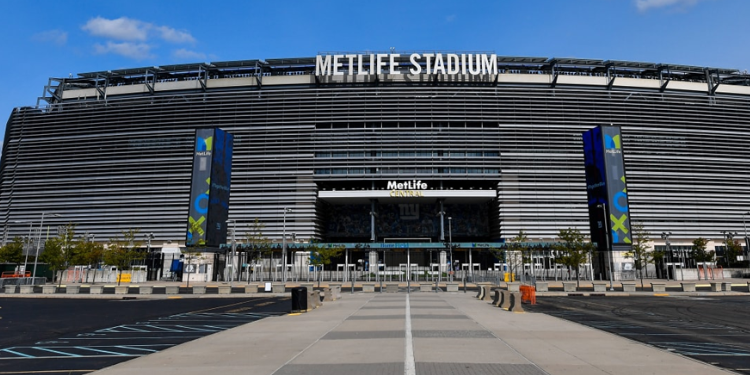
MetLife Stadium
Located in East Rutherford near New York City, MetLife Stadium will host the final and is the largest stage of the tournament with about 82,500 seats.
It is an open-air venue with no roof, meaning fans will face summer heat, and access is mainly by train via New Jersey rather than directly from Manhattan.
Estadio Azteca
Estadio Azteca in Mexico City is the most historic venue in the tournament and will host the opening match of the 2026 World Cup.
It will become the first stadium in history to stage matches at three different World Cups, having previously hosted finals in 1970 and 1986.
Mercedes-Benz Stadium
Mercedes-Benz Stadium in Atlanta is one of the most advanced venues in the tournament, known for its striking retractable roof that opens like a camera lens and its massive 360-degree halo video board.
Located in the city center, it offers easy access by public transport and a fully air-conditioned environment, making it one of the most comfortable stadiums for fans during the summer tournament.
SoFi Stadium
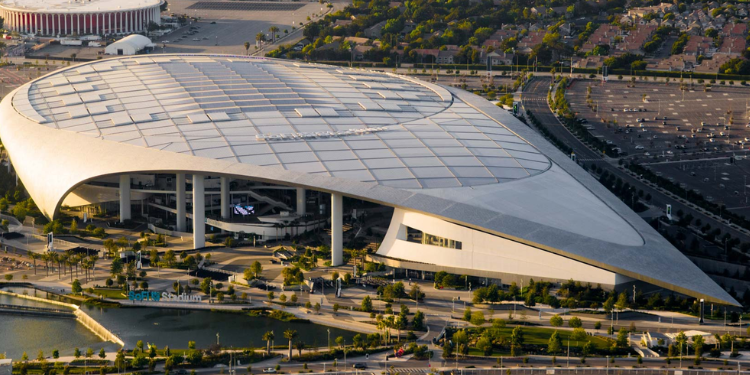
SoFi Stadium in Los Angeles is one of the most modern stadiums in the world, built at a cost of over $5 billion (Ksh646.25 billion) and designed as a futuristic indoor‑outdoor arena.
The venue sits below ground level and features a massive wraparound “Infinity Screen” that dominates the viewing experience.
Also Read: How Kenyans Can Watch All World Cup 2026 Matches
It will host key matches, including the United States’ opening game, with transport largely dependent on rail links and shuttle services.
Levi’s Stadium
Levi’s Stadium, located in Santa Clara rather than San Francisco, is a modern, high-tech venue known for its open design and strong connectivity.
However, its distance from the city is a key factor for fans, with travel requiring careful planning, while its open-air structure means sections of the stadium are exposed to intense sun during matches.
Lumen Field
Lumen Field in Seattle is known for its intense and deafening atmosphere, with its design helping to amplify crowd noise and create one of the loudest environments in football.
It is centrally located and easily accessible by rail, making it one of the more fan-friendly venues in terms of transport.
Lincoln Financial Field
Lincoln Financial Field in Philadelphia is an open-air stadium known for its intense atmosphere driven by passionate local fans.
It offers clear sightlines across the pitch and will host six matches, including a Round of 16 fixture on July 4, with the teams to be determined based on results from earlier rounds.
Gillette Stadium
Gillette Stadium in Foxborough, about 28 miles from Boston, is an open‑air venue that will host a quarterfinal match during the tournament.
It is known for its distinctive lighthouse tower and recent renovations, including a large video board, with access mainly via special-event trains or road travel due to its distance from the city.
Hard Rock Stadium
Hard Rock Stadium in Miami Gardens is an open‑air venue defined by its distinctive canopy roof, which shades most of the seating area while leaving the pitch exposed.
It will host seven matches, including the third‑place playoff, with heat and humidity expected to play a major role in the matchday experience.
NRG Stadium
NRG Stadium in Houston is a fully enclosed venue with a retractable roof, offering a climate‑controlled environment despite the extreme Texas heat outside.
Also Read: List of Players Featuring in Their Fourth World Cup in 2026
It will host seven matches during the tournament, with its design helping to trap and amplify crowd noise to create a loud and intense matchday atmosphere.
Arrowhead Stadium
Arrowhead Stadium in Kansas City is an open‑air venue known for holding the world record as the loudest stadium, with crowd noise forming a key part of its identity.
It will host matches including a quarterfinal, with fans largely dependent on driving or shuttle services.
BC Place
BC Place in Vancouver is a centrally located stadium with a retractable roof, allowing it to host matches in all weather conditions.
It will stage knockout fixtures, including a Round of 16 match, with the venue set to switch to a natural-grass surface for the World Cup while remaining easily accessible via the city’s SkyTrain system.
BMO Field
BMO Field in Toronto is a soccer‑specific stadium at Exhibition Place, offering a compact, intimate atmosphere close to the pitch.
It will host multiple matches during the tournament, with capacity expanded for the World Cup, and is best accessed by GO Transit trains to Exhibition Station due to heavy matchday crowds and traffic constraints.
Estadio BBVA
Estadio BBVA in Monterrey is a modern stadium known for its striking design and the scenic backdrop of the Sierra Madre.
It will host multiple matches during the tournament, offering a high-quality viewing experience with clear sightlines.
Estadio Akron
Estadio Akron in Guadalajara is a modern, open‑air stadium known for its compact design and strong matchday atmosphere.
It will host multiple group stage matches during the tournament, with its smaller size helping create a close and energetic experience for fans inside the venue.
Follow our WhatsApp Channel and X Account for real-time news updates.