The United States has begun an active campaign aimed at ending Cuba’s Communist government by the end of 2026, with President Donald Trump’s administration searching for insiders within Havana who could help negotiate the removal of the country’s long‑ruling leadership.
According to U.S. officials familiar with the effort, the strategy is modeled on the operation that led earlier this month to the removal of Venezuelan President Nicolás Maduro.
Senior officials in Trump’s administration believe the aftermath of that operation has reshaped political calculations across the region and exposed vulnerabilities in allied governments that depend on energy subsidies, security cooperation, and political backing from Caracas.
Trump’s Recent Focus on Cuba
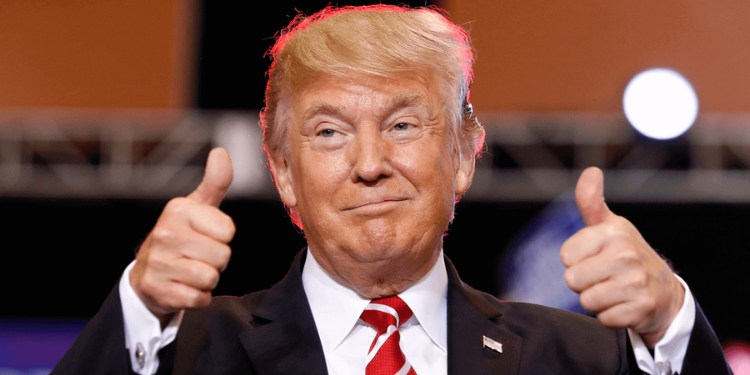
President Trump publicly raised pressure on Cuba earlier this month, warning Cuban leaders to reach an agreement with the United States before it is too late.
“Colombia is very sick too, run by a sick man who likes to make cocaine and sell it to the United States. And he is not going to do it for very long, let me tell you,” Trump stated.
Trump said the U.S would no longer tolerate the flow of oil or financial support sustaining the island’s current leadership and signaled readiness to intensify economic measures.
Trump’s administration has begun tightening restrictions designed to halt Cuba’s remaining revenue streams.
One focus has been Cuba’s overseas medical missions, which send tens of thousands of doctors abroad and generate billions of dollars annually for the government.
U.S officials have imposed visa restrictions and sanctions on entities and individuals linked to the program, arguing it finances the state and relies on coercive labor practices.
Also Read: Trump Confirms Greenland Takeover Interests by U.S After NATO Talks
Another element of the strategy involves signaling to Cuban officials that negotiations are possible if they are willing to break with the ruling Communist Party.
“Colombia is ready to fall. They got all their revenue from Venezuela, specifically the Venezuelan oil. Right now, they are getting none of it. We have a lot of Cuban Americans who will be happy with this,” Trump told the media as he boarded a plane to a high profile meeting in Davos, Switzerland.
The administration views Cuba as a more complex case than Venezuela, citing the durability of its institutions and its long experience under sanctions.
The coming months will determine whether internal negotiations materialize or whether the U.S escalates its campaign to force change in Cuba before the end‑of‑year deadline.
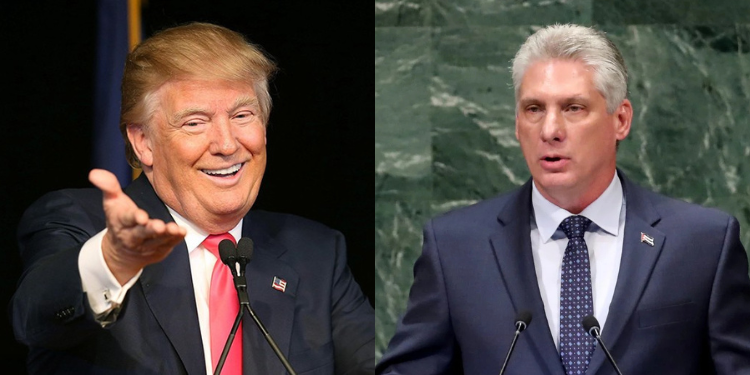
Why Trump Wants Miguel Díaz‑Canel Out
Donald Trump wants Cuban President Miguel Díaz‑Canel out because the Cuban government remains a central opponent in U.S strategy for the Western Hemisphere.
The U.S views Cuba as a hub for intelligence, security assistance, and political coordination that has long supported anti‑U.S governments, particularly in Venezuela.
Trump’s team believes Cuba is economically vulnerable after losing Venezuelan oil subsidies, creating an opportunity to force political change through pressure rather than military action.
Trump has repeatedly stated that Díaz‑Canel presides over a system weakened by fuel shortages, power outages, and declining foreign currency, making defections by senior Cuban government officials more likely.
Also Read: Trump Weighs Decisive Iran Strike as U.S Increases Military Presence in Middle East
Trump sees regime change, rather than containment or engagement, as the fastest way to neutralize a government he views as hostile, defiant, and strategically dangerous.
Cuba’s Stance
Cuba maintains a firm position in defense of its Communist political system, national sovereignty, and opposition to U.S intervention.
Under President Miguel Díaz‑Canel, Cuba rejects calls for political change imposed from abroad, arguing that Cuba’s governance is a domestic matter shaped by its own constitution and revolutionary history.
The Cuban government accuses the United States of economic warfare, citing decades‑long sanctions as the primary cause of fuel shortages, food insecurity, and financial strain.
Cuba insists that pressure tactics are intended to provoke internal instability rather than promote reform.
Regionally, Cuba aligns itself with governments and movements that oppose U.S dominance, forming closer ties with countries such as Venezuela, China, and Russia.
Follow our WhatsApp Channel and X Account for real-time news updates.