
Medical marijuana has formally been reclassified as a less dangerous drug in the United States after President Donald Trump’s acting attorney general signed an order that changed how the substance is treated under federal law.
The decision moves state‑licensed medical marijuana from Schedule I, the most restrictive category that includes heroin and LSD, to Schedule III, which is reserved for drugs with accepted medical use and a lower risk of abuse.
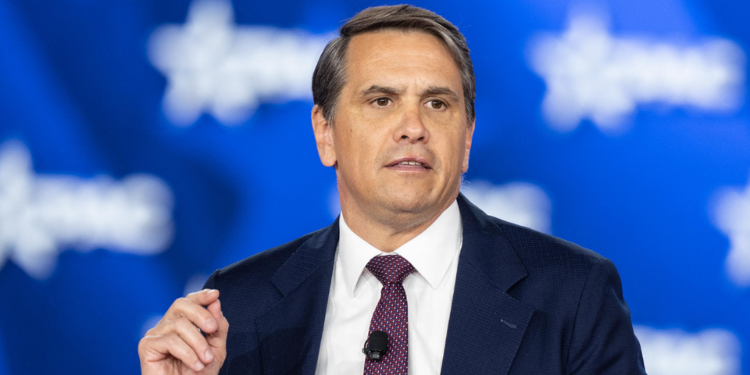
The order was signed on Thursday, April 23, by Acting Attorney General Todd Blanche and is being described as one of the most significant shifts in federal drug policy in decades.
This reclassification does not legalize marijuana at the federal level, nor does it affect recreational cannabis laws.
However, it changes how medical marijuana is regulated and taxed, making it easier for researchers to study it and for licensed operators to do business legally.
Medical marijuana is currently permitted in about 40 states, but federal law has long treated it as having no medical value, a position doctors and patients have challenged for years.
What the Change Means
By moving medical marijuana to Schedule III, the government now recognizes that the drug has legitimate medical uses when prescribed and regulated.
Schedule III drugs include substances such as ketamine and some pain medications.
Also Read: Embassies Clarify 2026 World Cup Visa Rules: What Kenyans Need to Know About the US “FIFA Pass”
The change eases restrictions on scientific research, an area that has been heavily limited by marijuana’s previous classification.
Researchers will now find it easier to study the safety, effectiveness and potential risks of cannabis‑based treatments.
It also brings financial relief to state‑licensed medical marijuana businesses.
Under Schedule I, operators were barred from standard tax deductions, making it difficult for many to stay profitable.
The new classification removes that barrier and lowers operational costs.
Blanche said the Justice Department was fulfilling a promise made by President Trump to expand access to medical treatment options for patients suffering from serious illnesses.
He said the move would allow doctors to rely on stronger scientific evidence and ensure patients receive safer, more effective care.
“This action allows research to move forward and gives patients and doctors clearer, more reliable information,” Blanche said in a statement.
Marijuana Legalization Political Background and Reactions
President Trump directed his administration in December to move quickly on reclassifying marijuana, arguing that federal policy needed to reflect medical realities and widespread state‑level acceptance.
Also Read: Qatar Airways Restarts Flights to Syria and UAE After Long Disruptions
Although Trump has traditionally taken a tough stance on illegal drugs, he has said the federal government must acknowledge marijuana’s medical applications when carefully controlled.
Advocates for marijuana reform welcomed the announcement, saying cannabis should never have been treated the same as highly addictive and dangerous drugs.
Health groups and patient organizations also praised the move, noting that many people rely on medical marijuana to manage chronic pain, epilepsy, cancer‑related symptoms, and other serious conditions.
However, some critics warned that the reclassification could still cause confusion, as marijuana remains illegal under federal law.
They argued that a full legislative solution would be needed to permanently resolve conflicts between state and federal rules.
Law enforcement agencies said they will now focus on ensuring that only properly licensed producers and distributors benefit from the new policy.
What Stays the Same
The order does not legalize recreational marijuana nationwide, nor does it change penalties for illegal possession or trafficking under federal law.
States will continue to set their own rules on medical and recreational marijuana use, as they have done for years.
The Drug Enforcement Administration is expected to create an expedited registration system for licensed medical marijuana producers and sellers, bringing them more clearly under federal oversight.