Kenya will start oil production after a 14-year delay that stalled the Turkana project.
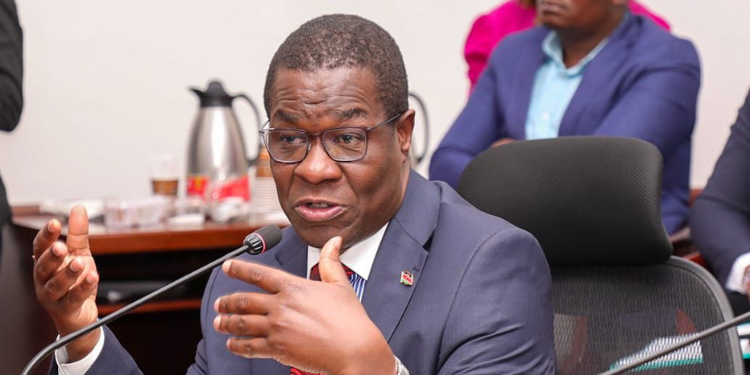
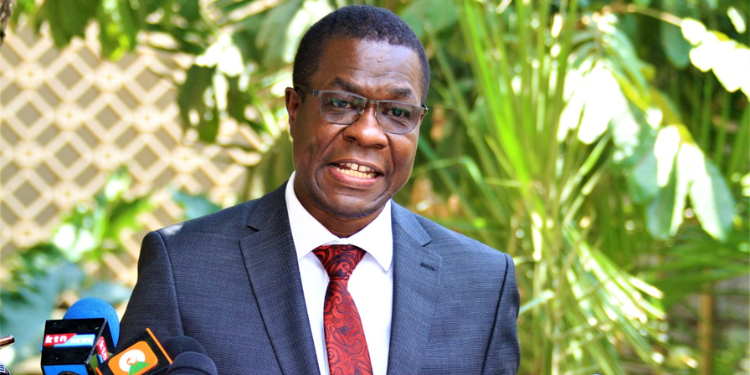
Energy Cabinet Secretary Opiyo Wandayi said on Monday, June 8, 2026, that oil could start flowing before the end of 2026.
This is after the government approved a development plan and secured a new investor, clearing the way for extraction in the South Lokichar Basin.
The project had stalled since oil was discovered in 2012, hit by investor exits, funding gaps, and shifting global energy priorities.
“The discovery happened in 2012. Many people doubted whether we would ever get to this stage. Today, we have an approved development plan, an investor committed to production and a clear pathway to the first oil,” CS Wandayi stated.
South Lokichar holds an estimated 2.85 billion barrels of oil, with about 429 million barrels recoverable.
Turning Point After Years of Delay
The project had stalled for over a decade as global investors pulled back from oil and shifted to cleaner energy.
Also Read: Orengo Declares 3 Cabinet Positions Vacant
Key partners exited in 2023, leaving the future of the project uncertain. Efforts to bring in new international investors failed.
The entry of Gulf Energy changed the trajectory. The firm acquired Tullow Oil’s stake and committed to move the project forward.
It submitted a revised field development plan in September 2025. The plan was approved in November and ratified by Parliament.
The new model allows phased development. Production will start small and expand over time instead of relying on heavy upfront investment.
Initial output is projected at 20,000 barrels per day, rising to 50,000 barrels per day by 2032.
Wandayi says this reduces risk and allows the project to generate revenue early.
The government expects the project to attract about Ksh646 billion in capital investment and more than Ksh1 trillion in operating costs over 25 years.
According to CS Opiyo Wandayi, at least 3,000 jobs are expected to be created during construction and production.
“The operating expenditure alone represents a huge opportuni[1]ty for Kenyan businesses. These are resources that will circulate through the economy and create jobs for our people,” Wandayi said.
First Turkana Oil Within Reach
With approvals in place and an investor on board, the focus now shifts to production.
Also Read: From Village Hardship to Kenya’s Most Watched Artist: The Rise of Prince Indah
Wandayi says first oil could flow before the end of 2026 if timelines hold.
Kenya will export its crude oil in the early stages because the country lacks a refinery.
The CS pointed out that the economic gains will come from revenue, jobs and foreign exchange rather than immediate reductions in fuel prices.
He added that the Turkana oil project is also expected to boost sectors such as transport, logistics and hospitality.
Communities in Turkana are likely to see improved infrastructure, including roads and business activity.
The current plan builds on lessons from the Early Oil Pilot Scheme, which ran between 2018 and 2022.
During the pilot, Kenya exported 414,777 barrels of crude and earned Sh3.7 billion. The exercise proved that Kenyan oil can find buyers, although costs exceeded returns.
The pilot also tested transport and export systems that will support full production.
However, challenges remain as the country must manage environmental risks and ensure local communities benefit from the project.
Kenya currently depends entirely on imported fuel to meet demand, with most petroleum products sourced from the Middle East and Asia.
The country imports refined fuels such as petrol, diesel and kerosene, making oil one of its largest import costs.
This reliance exposes the economy to global price shocks and foreign-exchange pressures, meaning local production could reduce import dependence and strengthen energy security as output begins.
Follow our WhatsApp Channel and X Account for real-time news updates.