The United States authorized the sale of Iranian crude oil, petrochemicals and petroleum products on Monday, temporarily easing restrictions that have kept Tehran largely excluded from global energy markets since 2018.
The U.S. Treasury Department issued a general license valid until August 21, allowing the production, delivery, sale and related transactions involving Iranian-origin energy products.
The authorization covers associated services, including banking, insurance, and transportation, and also permits payments to Iran in U.S. dollars.
The license allows Iranian oil to enter the United States if necessary to complete delivery or offloading arrangements, marking a significant shift in Washington’s approach to Tehran’s energy sector.
Commitments Under U.S.-Iran Agreement
The move follows a memorandum of understanding signed last week between Washington and Tehran as both sides continue negotiations toward a broader peace agreement.
Under the arrangement, Iran committed to allowing International Atomic Energy Agency (IAEA) inspectors into the country and maintaining free and open transit through the Strait of Hormuz, one of the world’s most important oil shipping routes.
Also Read: U.S.-Iran Negotiations Resume as JD Vance Meets Senior Iranian Officials
Treasury Secretary Scott Bessent said the temporary license was issued in support of ongoing talks in Switzerland.
“Iran has committed to free and open transit in the Strait of Hormuz and to permit IAEA inspectors,” Bessent said in a post on X.
The 60-day authorization excludes transactions involving Cuba, North Korea and Crimea.
Iran Oil Sanctions
The United States first imposed sanctions on Iran following the 1979 seizure of the U.S. embassy in Tehran, with additional measures introduced over decades linked to Tehran’s nuclear program and regional activities.
In 2018, the Trump administration withdrew from the 2015 nuclear agreement and restored sweeping sanctions targeting Iran’s oil exports. The restrictions sharply reduced Tehran’s access to international buyers and financial markets.
Before the 2018 sanctions, Iran exported more than 2 million barrels of oil per day. In recent years, Chinese independent refiners became the main buyers of Iranian crude, often purchasing supplies at discounted prices as other countries avoided potential U.S. penalties.
Also Read: Trump Warned Iran Is Exploiting His Desire for a Deal
Major buyers, including India, South Korea, Japan, and several European and Asian nations, had previously imported significant volumes of Iranian oil before restrictions were tightened.
Oil Market Impact After Regional Tensions
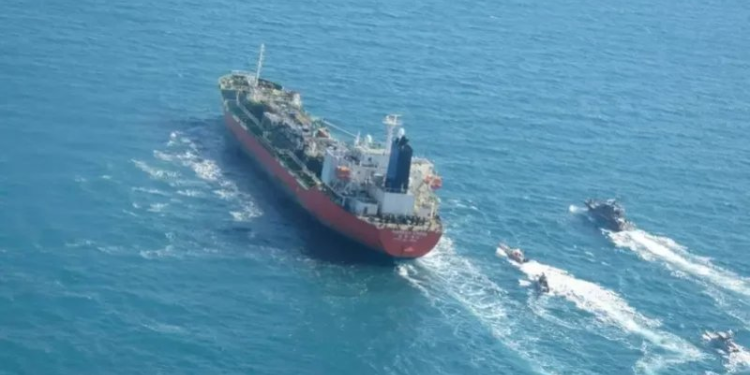
The new license comes after months of heightened tensions in the region. Iran imposed restrictions affecting traffic through the Strait of Hormuz earlier this year, prompting a U.S. response targeting Iranian ports.
The escalation followed U.S.-Israeli strikes on Iran that began on February 28. Oil prices climbed sharply during the disruption before declining once an interim ceasefire was reached.
Mediators have reported progress in the first round of negotiations under the new memorandum, which extends the ceasefire framework for at least 60 days.
U.S. officials have described the move as part of efforts to support de-escalation while protecting American interests. Iranian officials have not yet issued a detailed public response to the announcement.