Ukraine’s air defenses destroyed or suppressed 112 out of 129 drones launched by Russia overnight in one of the largest single‑night drone assaults reported in February 2026.
Preliminary figures released on February 11 show that the attack came from multiple directions, including Bryansk, Kursk and Donetsk, with around 80 of the incoming UAVs identified as Shahed‑type suicide drones.
The Ukrainian military reported that fifteen drones broke through and struck eight locations across the country.
Ukraine Neutralizes Russia Attack
According to Ukraine’s Air Force, Russia deployed a mix of Shahed, Gerbera, Italmas and other UAV types during the night assault.
Aircraft units, anti‑aircraft missile systems, electronic warfare teams, drone units and mobile fire groups took part in the response.
The attack went on till Wednesday, February 11, in the morning, with several drones remaining in Ukrainian airspace.
The drones were sent from multiple points, mirroring previous patterns in which Russia has used simultaneous launch sites to complicate Ukrainian defensive calculations.
This overnight operation is part of a Russian campaign that has intensified in recent weeks, with increased use of long‑range drones targeting energy and urban targets.
Also Read: Iran Begins Sealing Nuclear Sites as Fears of U.S Strikes Grow
Earlier large‑scale strikes this month included an operation in which Russia launched more than 440 drones and missiles overnight, hitting energy facilities and residential areas across several regions.
Ukraine Concerned
Ukraine’s Air Force says Russia is increasing the pace and scale of its drone launches as winter temperatures intensify the impact of each strike.
The unit warns that cold conditions make it harder for emergency teams to restore power, repair damaged lines, and stabilize heating systems after overnight attacks.
Recent Russian operations have repeatedly targeted energy facilities and urban centers, resulting in blackouts and heating disruptions during peak winter demand.
The Air Force states that continued large-scale UAV assaults in freezing weather are part of Russia’s effort to strain Ukraine’s power grid and stretch defensive resources over consecutive nights, with each strike compounding the challenges created by low temperatures.
In response, the Air Force has increased the deployment of aircraft, missile batteries, electronic‑warfare teams and mobile fire groups to counter consecutive night attacks.
These units now operate continuously to prevent gaps in coverage as temperatures fall and repair work slows.
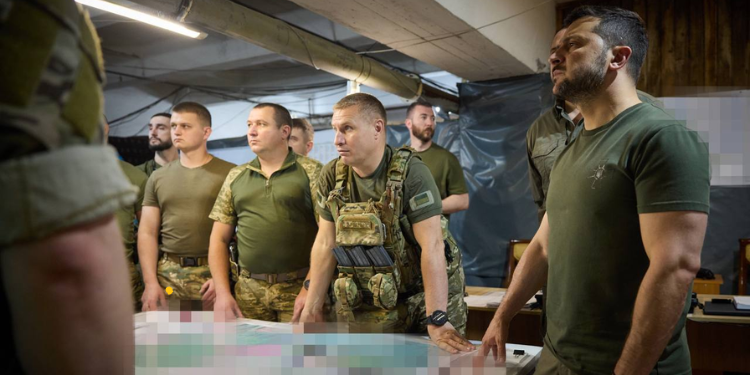
President Volodymyr Zelenskyy has also said that shortcomings in some regions’ air‑defense performance are being addressed, with command meetings held to adjust defensive measures and improve protection of heating and power facilities targeted during cold nights.
Also Read: Gates Foundation Responds After Claims of Mosquito Releases in Kenya
He noted that changes are underway to strengthen civilian safety as Russia expands its drone routes and raises the number of drones launched per attack.
Huge losses Incurred
Russia has taken major new losses over the past several days as fighting and large‑scale strikes intensified across Ukraine.
According to Ukrainian media reports, Russia lost 980 troops in a single day, along with 33 artillery systems destroyed in the same period.
These numbers come as Russian forces pushed new attacks across multiple fronts and expanded their strikes on gas infrastructure, rail lines and urban centers.
Ukraine says the level of Russian losses reflects the scale of the latest fighting, which has included heavy exchanges in the Donetsk and Kharkiv regions.
On February 8, Russia lost 1,040 troops in one day, with Ukrainian forces reporting more than 450 Russian drones destroyed since the renewed strikes began.
Russia’s Deputy Foreign Minister Alexander Grushko said any agreement to end the war must include security guarantees for Russia, specifically a ban on NATO troop deployments in Ukraine.
Meanwhile, Russian troops are pushing around Pokrovsk, aiming for a breakthrough in Donetsk in what would be Russia’s largest advance since taking Avdiivka in early 2024.
Follow our WhatsApp Channel and X Account for real-time news updates.