African entrepreneurs, investors, and policymakers are calling for urgent reforms to unlock affordable financing and strengthen business survival across the continent, as economic uncertainty continues to strain startups and small and medium enterprises.
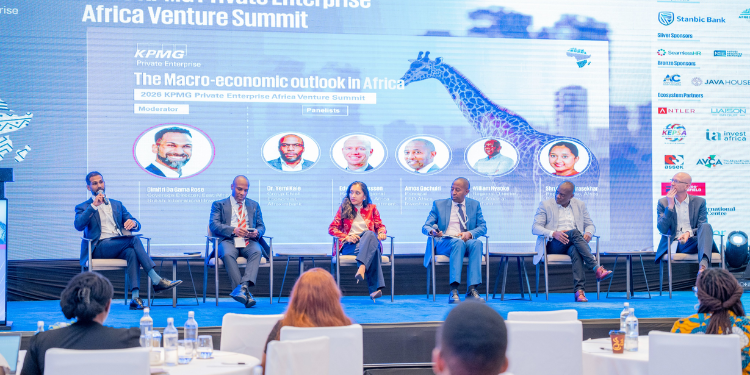
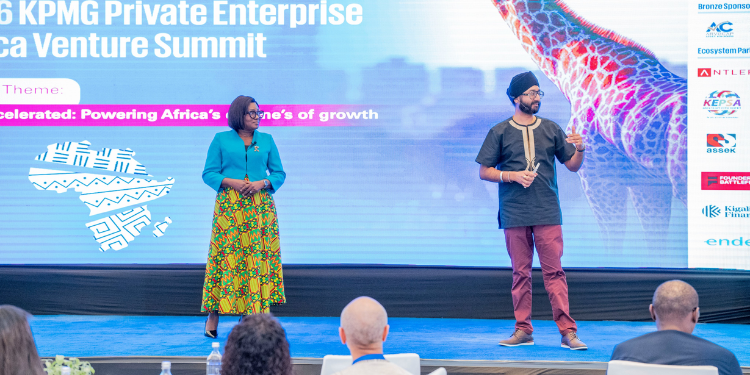
The appeal dominated discussions at the 2026 KPMG Africa Private Enterprise Venture Summit, held in Nairobi from May 18–22, where more than 250 delegates and over 50 speakers gathered to examine Africa’s investment landscape and the future of enterprise growth.
The summit brought together founders, venture capital firms, private equity investors, family offices, financial institutions, policymakers, and ecosystem builders to explore how Africa can scale innovation while addressing persistent structural financing gaps.
Calls for affordable capital and policy stability at the KPMG Africa Summit
A central message emerging from the summit was the urgent need to expand access to affordable financing for African businesses, particularly startups and SMEs that continue to struggle under tightening credit conditions and macroeconomic volatility.
Speakers warned that without deeper reforms, many promising ventures risk stagnation or collapse before reaching scale.
“Governments and the private sector have a very critical role to play, but they can’t do this separately. They need to collaborate more,” said Sandeep Main, Partner, Tax & Regulatory Services and Africa Head of Private Enterprise at KPMG One Africa.
“When you talk about policies and regulations, governments must continuously evolve them to improve efficiency and ease of doing business. That is critical.”
His remarks reflected growing investor concerns that inconsistent regulatory environments and limited access to structured capital remain key barriers to scaling African enterprises.
Also Read: Kenya Tax Bill 2026 Tightens Capital Gains Tax Exemptions Rules
Despite financing challenges, participants emphasized that Africa’s innovation ecosystem remains a strong driver of long-term growth, particularly as local entrepreneurs build solutions tailored to African markets.
The summit highlighted the growing importance of “Made in Africa” innovations, alongside discussions of alternative financing models, including family offices, sovereign wealth funds, and blended capital structures designed to support high-growth enterprises.
Organizers also noted a shift toward more interactive and solution-driven programming, including the Female Founders Deal Room, Future of Trade and Investment sessions, and Family Baraza, which aimed to connect capital directly with entrepreneurs.
Entrepreneurs urged to build resilient, scalable systems
Delivering a keynote address, serial entrepreneur Michael Macharia, Founder of Seven Seas Technologies Group, urged African founders to rethink how they build businesses, stressing resilience, documentation, and long-term systems over short-term success.
Drawing on more than two decades of experience across technology, healthcare, and investment, he emphasized the importance of building companies that can outlast their founders.
He also called for stronger ecosystem collaboration, encouraging entrepreneurs to openly document both successes and failures to build a more transparent and supportive founder culture.
Through his “Founders Battlefield” initiative, Macharia is working to create platforms where entrepreneurs can share lessons and challenges to strengthen the next generation of African business leaders.
Investors push for collaboration and ecosystem trust
Speakers also stressed that Africa’s growth story will depend on deeper collaboration among governments, investors, and private-sector players, particularly on building trust and improving access to long-term capital.
Opening the summit, Conor Moore, Global Head of Private Enterprise at KPMG International, noted that Africa is increasingly being viewed not as a future market but as a present-day global growth driver.
He encouraged participants to engage more openly during discussions and to build long-term relationships beyond the summit setting.
Also Read: Top Private and Public Sector Industries Employing Kenyans
Industry leaders reinforced the need for coordinated reforms that improve the ease of doing business while strengthening financial systems to support enterprise expansion.
“This is an avenue where we’re able to exchange ideas, create awareness, but also insights from the various players in the industry,” said Willy Mastamet, Head of Diversified Sector at Stanbic Bank.
“Private businesses are able to take a lot from such a gathering.”
The KPMG summit concluded with a consensus that Africa’s next phase of growth will depend on three key pillars: expanded access to capital, stronger policy frameworks, and deeper collaboration among ecosystem players.
Stakeholders maintained that Africa’s economic transformation will be driven by businesses capable of scaling beyond local constraints from alternative financing models to innovation-led entrepreneurship.