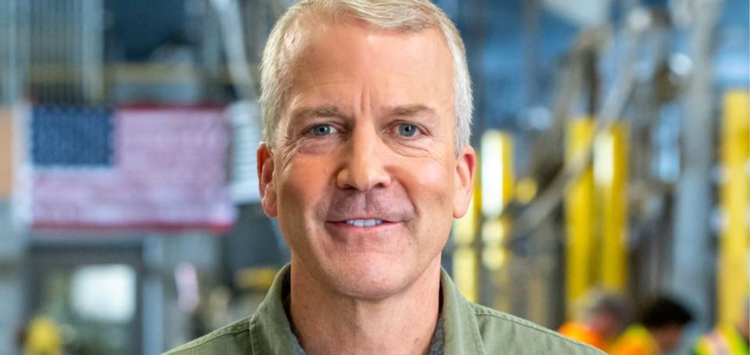
Healthcare costs are becoming a growing political problem for Republican Sen. Dan Sullivan in Alaska as Democrats intensify attacks over insurance premiums, Medicaid funding cuts, and the expiration of Affordable Care Act subsidies ahead of the 2026 Senate election.
The issue has emerged as one of the biggest vulnerabilities for Sullivan, who is seeking reelection in a state that has long leaned Republican in federal races.
Democrats believe voter frustration over rising healthcare costs could give them a rare opportunity to flip the seat during President Donald Trump’s second administration.
According to a recent report by The Hill, Democratic candidate and former Alaska Rep. Mary Peltola has made healthcare a key issue in her campaign against Sullivan. Her campaign argues that Republican-backed policies have made coverage more expensive and less accessible for many Alaskans.
A Democratic advertising campaign released in April accused Sullivan of supporting policies that increased health insurance premiums in Alaska by more than $1,800 on average. The criticism centered on Sullivan’s previous votes against Democratic efforts to extend Affordable Care Act tax credits during government funding negotiations.
Sullivan Distance Himself From GOP Healthcare Policies
As pressure grows, Sullivan has recently broken with Republicans on several healthcare-related votes in the Senate.
In the past month, he voted alongside Democrats on amendments aimed at reducing healthcare costs and addressing insurance companies delaying or denying care. He also joined a small group of Republican senators last year in supporting an extension of ObamaCare tax credits after previously opposing similar measures.
The legislation failed to pass, but the votes signaled a shift in Sullivan’s approach as healthcare concerns continue to dominate political discussions in Alaska.
Also Read: U.S Military Puts 1,500 Alaska-Based Paratroopers on Standby as Minneapolis Protests Escalate
Sullivan’s office defended his record in comments to The Hill, saying the senator has a “track record of voting with colleagues on both sides of the aisle when it’s good for Alaska.”
The office also said Sullivan supports efforts to move healthcare dollars “out of the hands of insurance companies and into the hands of the people.”
Still, critics argue the senator’s recent votes came too late.
John-Henry Heckendorn, a partner at Alaska-based consulting firm Ship Creek Group, told The Hill that many voters have already felt the financial effects of higher healthcare costs.
“It’s one thing to vote on your principles,” Heckendorn said. “It’s another thing to follow the party line until you feel like you’re in danger and then try to cover your tracks.”
Rising Costs Create Opening for Democrats
Alaska faces unique challenges that make insurance and medical care especially expensive.
Also Read: Alaska Summit: No Deal Agreed at Trump-Putin Meeting but Land Swap for Ceasefire Still on The Table
The state’s large geographic area and widely dispersed population increase the cost of delivering healthcare services. Recruiting doctors and maintaining healthcare facilities in remote areas also remain difficult.
Scott Leitz, vice president of healthcare programs at NORC at the University of Chicago, told The Hill that Alaska’s population distribution creates major logistical problems for healthcare providers.
The state also has a concentrated insurance market dominated by Premera Blue Cross Blue Shield of Alaska, which controls more than 70 percent of the active insurance market.
Meanwhile, experts warn that the expiration of Affordable Care Act subsidies and cuts tied to Republican-backed legislation could have wider economic consequences.
Sara Collins, a senior scholar at the Commonwealth Fund, told The Hill that Alaska could lose substantial federal healthcare funding because of Medicaid cuts and the expiration of premium tax credits.
At the start of 2026, roughly 3,000 Alaskans reportedly dropped out of the Affordable Care Act marketplace after subsidies expired. Analysts expect the number to grow as premiums continue rising.
The Commonwealth Fund’s 2025 Scorecard on State Health System Performance ranked Alaska 38th among all U.S. states.