Minnesota Governor Tim Walz is facing criticism from the Trump administration after he joined the state’s Board of Pardons in granting clemency to an immigrant convicted of sexually abusing a 10-year-old girl, a decision that could help the man challenge his deportation from the United States.
The pardon was granted on June 10 to Tou Lue Vang, 42, who pleaded guilty in 2005 to first-degree criminal sexual conduct involving a child.
Vang had been under a final order of removal since 2006 after his conviction led to the loss of his legal immigration status.
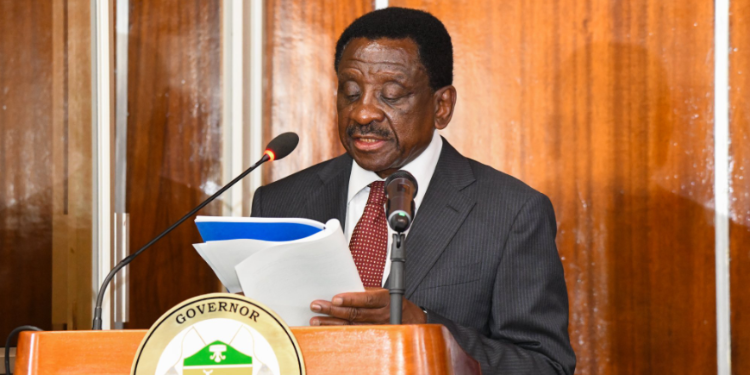
The decision was made unanimously by the three-member Minnesota Board of Pardons, which consists of Walz, Attorney General Keith Ellison, and Minnesota Supreme Court Chief Justice Natalie Hudson.
Why the Trump Administration Condemned the Clemency Decision
The pardon has drawn sharp condemnation from the Department of Homeland Security, which argued that removing Vang’s qualifying criminal conviction could complicate federal efforts to deport him.
“Governor Tim Walz’s decision to pardon an illegal alien convicted child rapist so he can remain in our country is disgusting,” Acting Assistant Secretary Lauren Bis said in a statement on Wednesday, July 1.
Bis said Vang lost his legal status after his conviction and was placed in removal proceedings, resulting in a final deportation order issued by an immigration judge in 2006.
According to court records, Vang repeatedly sexually abused a girl between 2002 and 2004 after meeting her through family connections.
Investigators said he attempted to persuade the child to remain silent by offering her $10 after one assault.
Court documents also state that during a police interview, Vang attempted to justify his conduct by describing it as part of his culture and claimed the victim shared responsibility for what had happened.
How the Pardon Could Affect Vang’s Deportation Case
Vang entered the United States as a refugee from Laos in 1994, having been born in a refugee camp in Thailand. He later became a lawful permanent resident but lost that status after his conviction.

Although an immigration judge ordered him removed from the United States in 2006, Laos accepted relatively few deportees for many years, allowing many individuals with removal orders to remain in the country under supervision.
That changed after the Trump administration expanded deportation efforts and Laos began accepting more deportees with long-standing removal orders.
Also Read: More Than 100 Venezuelans Deported From U.S. Killed or Missing After Deadly Earthquake
Federal immigration authorities detained Vang in December as part of an enforcement operation in Minnesota.
According to his clemency application, Vang sought a pardon to remain with his wife and six children in Minnesota.
He wrote that he deeply regretted his actions and had accepted responsibility for the crime.
“The shame and regret I carry, especially as my children have grown older and learned about my past, run deep,” Vang wrote in his application.
He also said he had no remaining relatives in Laos.
Can a State Pardon Stop Federal Deportation?
One factor that weighed heavily during the pardon process was a statement submitted by the victim, who asked the board to grant clemency.
In her letter, she said she had forgiven Vang and had found peace with what happened years earlier.
Walz’s office said the victim’s support was an important consideration in the board’s decision.
Ellison’s office described the pardon process as thorough and said the board acted only after reviewing recommendations from the Minnesota Clemency Review Commission, community support letters, and the victim’s statement.
Also Read: Tim Walz Under Fire as he is Linked to a Massive $9 Billion Fraud, Ignites DOJ Probe
During the public hearing, Chief Justice Hudson said evidence of rehabilitation and the victim’s position influenced her vote.
The Minnesota Clemency Review Commission had previously recommended granting the pardon after reviewing the application.
The pardon removes the criminal conviction from Vang’s record, giving him an opportunity to challenge his deportation in immigration proceedings.
However, immigration experts note that a state pardon does not automatically prevent removal or restore legal immigration status.
Victim’s Support and the Political Fallout Explained
The decision has become the latest flashpoint in the political battle over immigration between the Trump administration and Democratic leaders in Minnesota.
The Department of Homeland Security accused Walz and other state officials of protecting dangerous criminal immigrants instead of supporting federal immigration enforcement.
Minnesota officials said the threat of deportation is only one factor considered during pardon reviews and noted that the board has denied other applicants seeking clemency despite facing removal from the country.