Tensions across the Middle East escalated once again on Wednesday, April 8, as Iran announced it was once again shutting down traffic through the Strait of Hormuz, just hours after Israeli warplanes unleashed one of the heaviest barrages of the year against Hezbollah targets in Lebanon.
Tehran is reportedly taking this measure as a direct response to what Israeli officials described as a necessary operation to dismantle ongoing threats from the Iran-backed militant group.
As reported by a number of Iranian state media, including Fars News Agency, oil tankers were being turned back and safe passage was halted until further notice, citing Israel’s actions as a violation of the fragile two-week ceasefire brokered between the United States and Iran only a day earlier.
Israel has vowed to continue hitting Hezbollah targets until the group stops terrorizing civilians. This bold stance came just a few hours after reports emerged that Iran had closed the Strait.
According to the ceasefire that was announced by President Donald Trump with Pakistani mediation on April 7, a brief pause in direct U.S. and Israeli strikes on Iranian territory had been brokered in exchange for reopening the critical waterway.
For starters, roughly one-fifth of the world’s seaborne oil and significant liquefied natural gas shipments normally pass through the narrow strait between Iran and Oman.
Also Read: Morocco Supports U.S, Iran Ceasefire, Roots for Lasting Peace in the Gulf
Markets had begun to calm just a few hours after the deal, with oil prices dropping across the world, but the new closure sent jitters through global energy traders once again.
Israel strikes several targets.
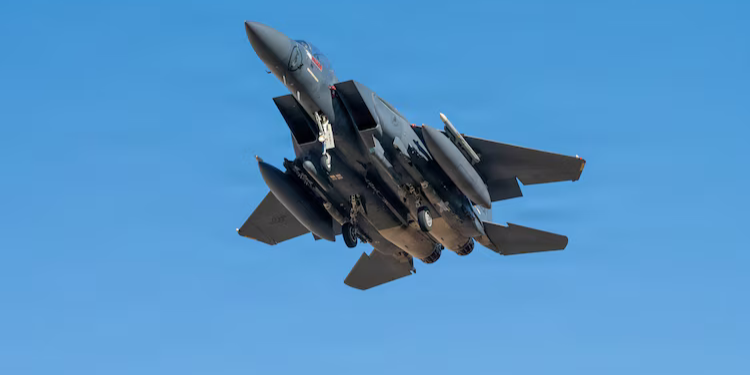
Earlier today, April 8, the IDF said its air force conducted the largest coordinated wave of strikes in recent memory, hitting more than 100 Hezbollah sites, including command centers, missile depots, and positions linked to the group’s elite Radwan Force, across Beirut’s southern suburbs, the Beqaa Valley, and southern Lebanon.
Dozens of aircraft participated in this compressed, historic operation, which reportedly lasted for about ten minutes.
Lebanese health authorities reported that at least 89 to 112 people were killed and hundreds wounded, with many casualties in areas where Hezbollah maintains a strong presence.
Israel maintained that targets were chosen precisely to minimize civilian harm, accusing Hezbollah of deliberately operating from populated neighborhoods.
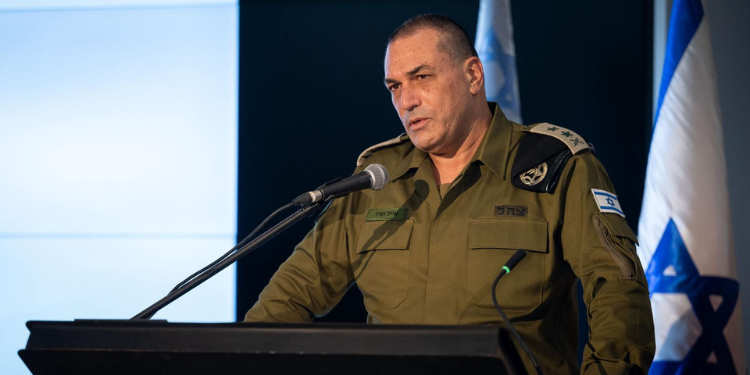
A few hours after reports emerged that Iran had closed the Strait after Israel strikes, the IDF issued a statement, noting that strikes against Hezbollah will only stop if the group stops targeting civilians in Israel.
Also Read: Why Trump Is Clashing With CNN Over Iran and Control of the War Story
“As long as Hezbollah continues to threaten our civilians, we will continue to operate against them,” the IDF captioned a video statement that was shared on X.
Hezbollah has fired thousands of rockets toward Israel over the past year, escalating after the wider conflict with Iran began in late February.
Israeli officials insist the group is still a direct danger to civilians along the border, and they have shown little willingness to tie their hands because of diplomatic deals involving Tehran.
Trump had hailed the U.S.-Iran agreement as a step toward de-escalation, even as he warned earlier that failure to keep the strait open could bring devastating consequences.
Iranian Foreign Minister Abbas Araghchi had signaled acceptance, though Tehran added that its “hands remain on the trigger.”
Now that shipping is throttled again, questions are circulating about how long the pause will last and whether the United States will respond forcefully to protect international navigation.
In Beirut, Lebanon, the leadership condemned the Israeli strikes as excessive, while ordinary Lebanese expressed exhaustion after months of cross-border violence that had displaced tens of thousands and devastated infrastructure.
Hezbollah sources said the group was assessing damage but vowed to continue resisting what they call Israeli aggression.