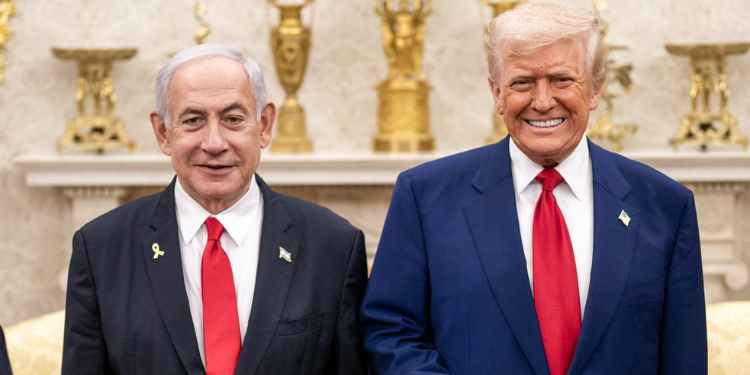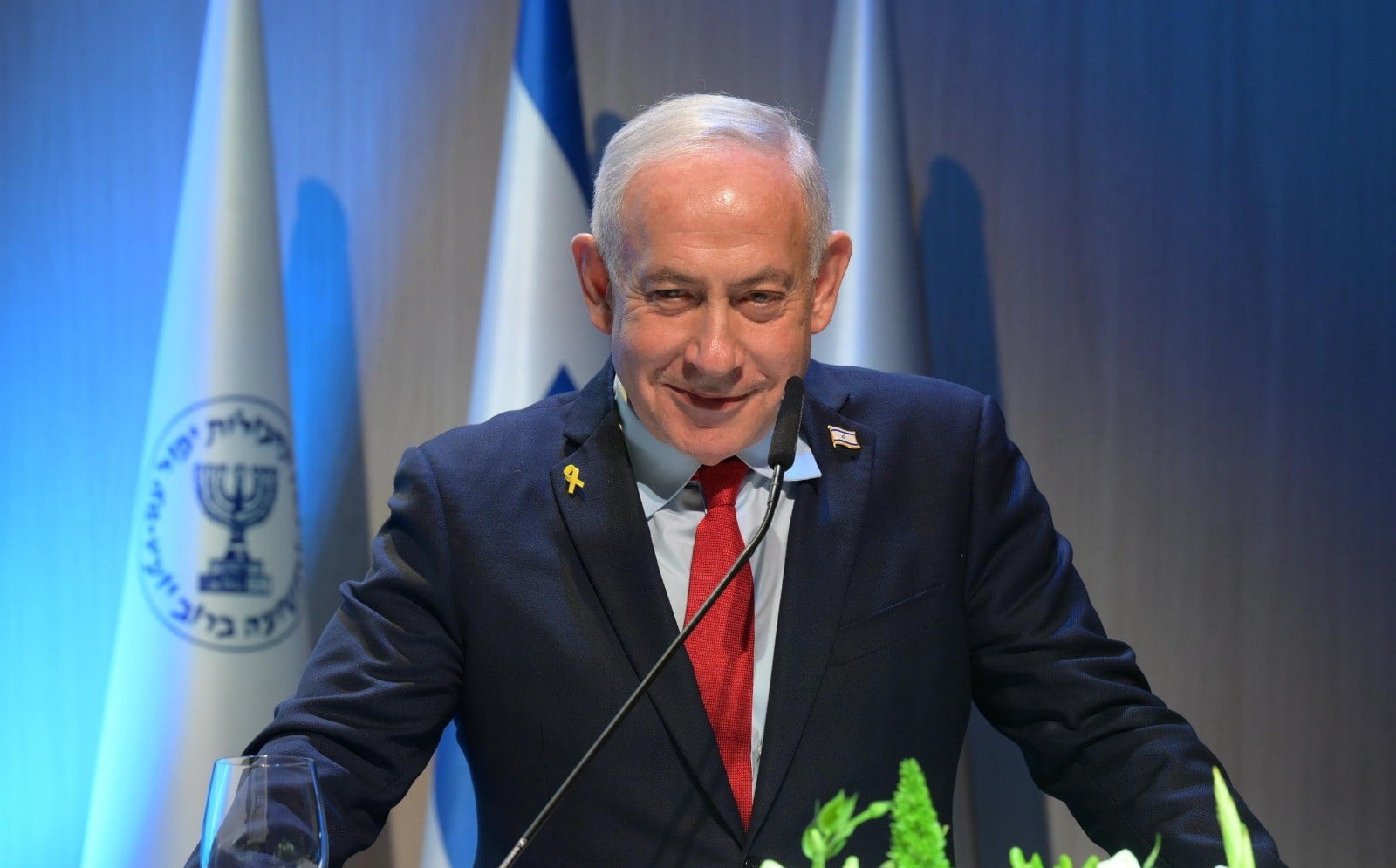
Benjamin Netanyahu has criticized Turkish President Recep Tayyip Erdogan after reports from Turkey said that prosecutors want long prison sentences for him and other Israeli officials.
The Israeli Prime Minister on Saturday, April 11, took to his handle and affirmed that as long as he is leading his country, he will not stop going after Iran and its proxies in the Middle East, regardless of jail threats he gets.
“Israel under my leadership will continue to fight Iran’s terror regime and its proxies, unlike Erdogan, who accommodates them and massacres his own Kurdish citizens,” Netanyahu said.
The sharp rebuke came hours after Turkish media reported that Istanbul prosecutors had finalized an indictment against Netanyahu and 34 other senior Israeli figures.
Why Turkey wants to jail Netanyahu.
The charges stem from Israel’s naval interception of the Gaza-bound Sumud flotilla in October 2025. Turkish authorities accuse the Israelis of genocide, crimes against humanity, torture, looting, and unlawful detention during the operation in international waters.
Reports say that the prosecutors want sentences that add up to thousands of years in prison. For some of the people named, the highest number is 4,596 years.
Israeli officials have dismissed the Turkish legal move as symbolic and without any real chance of enforcement, given that Turkey has no jurisdiction over Israeli leaders. Still, the timing added fuel to the long-running feud between Netanyahu and Erdogan.
This is not the first time these two leaders have insulted each other. Netanyahu has repeatedly taken issue with Turkey’s military actions against Kurdish groups in Turkey and across the border in Syria and Iraq.
Also Read: Pressure Mounts on Israel to Declare Ceasefire in Lebanon As Hezbollah Official Is Eliminated
Erdogan, in turn, has accused Israel of war crimes in Gaza and positioned himself as a vocal defender of the Palestinian cause.
The flare-up happened against the backdrop of a fresh, fragile pause in fighting involving Iran. Earlier this week, the United States announced a two-week ceasefire with Iran to pave the way for talks, which started today in Pakistan, after weeks of direct strikes.
The deal reportedly includes Iran reopening the Strait of Hormuz and halting attacks on U.S., Israeli, and regional targets.
Netanyahu’s office said Israel supports the American decision to suspend strikes on Iran for the short period, but made clear the truce does not apply to Israeli operations against Hezbollah in Lebanon, a group that enjoys massive support from Iran.
Netanyahu and Trump reveal the remaining war goal.
Israeli forces continued carrying out strikes there even as the Iranian pause took effect. In public remarks, the prime minister and even President Trump described the campaign against Iran as having weakened the regime significantly, damaging its missile program, nuclear sites, and military infrastructure.
Trump and Netanyahu insisted that their remaining goals, particularly removing Iran’s enriched uranium stockpile, would be met “either by agreement or through renewed fighting.”
“We are ready to return to fighting at any time,” Netanyahu said. “Our finger is on the trigger.”
Netanyahu has called the fight with Iran part of a larger fight against what he calls a “terror axis” that includes Hezbollah, Hamas, and the Houthis.
In his X post, he used the contrast with Erdogan to sharpen that message, suggesting Turkey’s leader is soft on Iran while cracking down harshly on Kurds at home.
Also Read: European Nation Confronts Netanyahu After Israeli Attack Kills Hundreds
Turkish officials have not yet responded directly to Saturday’s tweet, but Erdogan has in the past accused Netanyahu of being a threat to regional peace and has hosted Hamas leaders while criticizing Israeli actions in Gaza.
The Turkish flotilla case dates back to last year’s attempt by activists, including Turkish citizens, to deliver aid to Gaza.
Israel said the vessels posed a security risk and diverted them. Clashes during the boarding left some activists injured or detained.
Turkey has pursued arrest warrants and now this indictment, though legal experts say any trial would likely proceed in absentia with no practical effect on Netanyahu’s ability to travel or govern.
Inside Israel, the prime minister faces his own domestic challenges, including corruption trials. But on security matters, he has maintained a consistent hard line toward Iran and its allies, even as the short-term ceasefire creates a window for talks.