A new scam targeting Apple users has been reported across the United States, and it is sweeping clean victims’ bank accounts, leaving little recourse for recovery.
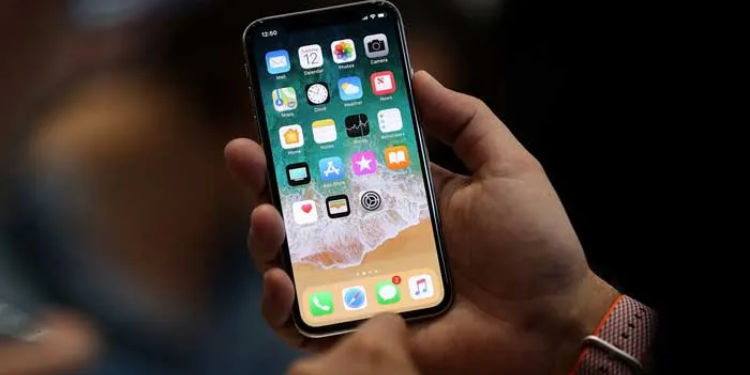
Fraudsters are exploiting the convenience of Apple’s digital wallet to send alarming text messages that closely resemble official alerts from the tech giant, warning of suspicious activity or unauthorized charges.
Their goal is to raise alarm among the targeted victims by urging them to call a provided number immediately to “stop the fraud.” Once the victims call the hotline, they are connected directly to the scammers, who then trick them into disclosing personal banking details.
According to The New York Post on Thursday, April 9, and Apple’s own warnings, here’s how the scam typically unfolds:
The victims receive a text that appears to come from Apple, often with Apple’s branding, detailing a suspicious Apple Pay transaction at an Apple Store, often involving amounts in the hundreds of dollars.
The message claims the charge has been flagged or placed on hold, but instructs the target to call a specific phone number right away to prevent it from going through or to secure your account.
Also Read: iPhone Dealer Responds After Online Uproar
The scam reportedly thrives on urgency, impersonation, and the use of convincing personal details obtained from data leaks or public records.
If you dial the number, an individual answers, posing as Apple Support, your bank, credit card company, or even law enforcement.
Once the targeted individual is convinced, or rather tricked, the scammers may ask for verification codes, passwords, or payment details under the guise of investigating or reversing the fraud.
They may also request remote access to your device via apps like ConnectWise Control or pressure you into authorizing transfers through Apple Cash.
Once they retrieve sensitive information, they immediately initiate withdrawals, move funds, or make purchases that are nearly impossible to reverse.
Sometimes they even manipulate Apple’s legitimate support system by creating fake cases in your name, generating authentic-looking confirmation emails to gain credibility.
What to do if you are targeted by the scammers.
First, note that Apple will never contact customers unsolicited about account issues via text or phone, nor will it provide a number to call, ask for passwords, verification codes, or request money transfers.
Official policy is to hang up immediately if you get a suspicious call claiming to be from Apple Support.
In case of any valid concerns, one should open the Wallet application or, at a minimum, check the transaction history on their device or via Apple’s official website by manually entering the address in the browser.
Also Read: Apple Axes Over 600 Employees Involved in Secret Projects
Malwarebytes, a cybersecurity company, says these types of attacks have been on the rise and target iPhone users who use Apple Pay.
In addition, you must enable two-factor authentication and use unique passwords. Moreover, you may take advantage of Stolen Device Protection and Advanced Fraud Protection. Make sure your iOS is up to date to enjoy maximum protection.
Apple users should report any messages and calls that raise eyebrows.
To report suspicious messages, take a screenshot and email it to [email protected]. Forward suspicious emails as well.
If you suspect you’ve been compromised, contact your bank immediately to freeze accounts and monitor for unauthorized operations.
Apple Cash transactions, once sent, are difficult to recover, so treat peer-to-peer payments with the same caution as handing over cash, only to people you know and trust.
Financial experts and the FTC advise using credit cards linked to Apple Pay rather than debit cards for better dispute options. They also advise you to avoid sharing verification codes under any circumstances and never to download software or grant remote access at a stranger’s request.