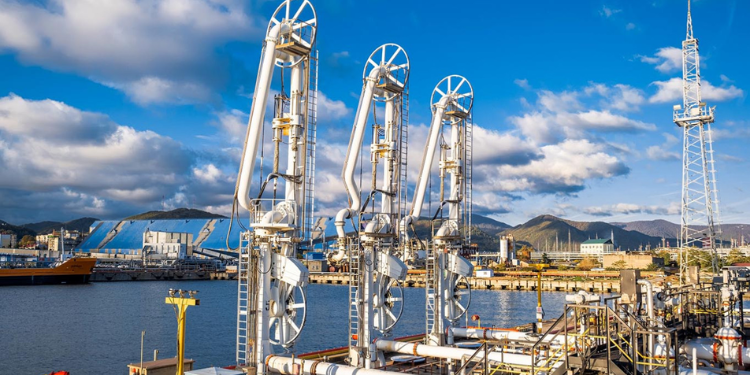
Russia has imposed a ban on gasoline exports to producers, a move that could further strain global fuel supplies already disrupted by the Middle East crisis linked to Iran.
President Vladimir Putin’s government on Friday, March 27, moved to ban gasoline exports by producers from April 1 through July 31, in a decision aimed at stabilising domestic fuel prices amid volatile global energy markets.
Deputy Prime Minister Alexander Novak had on Wednesday said authorities must act quickly to protect the domestic market, warning that rising global petroleum prices are beginning to affect Russia.
“Today, prices for petroleum products and crack spreads [the difference in price between oil and the petroleum products derived from it] have risen significantly around the world, and this also leaves its mark not only on the opportunities for our energy companies to receive additional income, but also on ensuring the stability of our domestic market, since, as you know, we have market pricing,” Novak said during an Energy Ministry meeting.
“I believe that we – energy companies, the Energy Ministry and the government – need to work together in the shortest possible time to ensure the required mechanisms and instruments are adopted that would allow us to reliably ensure the domestic market and stably ensure that prices do not rise at filling stations. This isn’t simple, it’s complex, and it’s very urgent.”
Ban targets producers as pressure builds
The restriction will apply to gasoline exports by producers, expanding existing controls already in place.
Russia had previously imposed a ban on exports of gasoline and diesel by non-producers until July 31, 2026. The latest move extends tighter controls across the sector as officials respond to mounting global and domestic pressures.
Also Read: Iran Blows Up Trump Oil Relief Plan With ‘Sold Out’ Response
Earlier, Interfax reported that Putin’s government had been considering the measure for weeks, with discussions also ongoing about whether to include diesel fuel in the restrictions.
Energy Minister Sergei Tsivilev said Russia has received increasing requests for fuel supplies from Asian markets as disruptions in the Middle East limit availability elsewhere.
Oil markets are experiencing extreme volatility due to the ongoing war in Iran, with Brent crude holding steady above $108–$110 per barrel and WTI in the mid-$90s as supply disruptions persist.
Brent crude recently dipped slightly to $108.5 after peaking near $110, driven by fears of a blockage in the Strait of Hormuz, which handles 20% of global oil flows.
WTI has climbed back above the mid-$90s, with the latest data showing $89.33 on March 23, reflecting a rebound in supply risks amid tensions in the Middle East.
The conflict has disrupted shipping through the Strait of Hormuz for weeks, pushing physical oil premiums sky-high and benefiting big oil companies with billions in windfall gains. Strikes on Iranian gas facilities and broader Gulf turmoil have amplified volatility, with analysts warning of further spikes if disruptions continue.
The closure of the Strait of Hormuz has constrained supply routes, forcing buyers to seek alternative sources and pushing up demand for exports from countries like Russia.
Russia weighs domestic stability vs global demand
Despite strong external demand, Russian officials say the priority is ensuring sufficient domestic supply.
Novak said the government must work with energy companies to implement mechanisms that prevent price spikes within Russia, describing the situation as “complex” and “very urgent.”
Fuel prices in Russia have already been rising since late February, tracking global trends. However, sources say domestic demand has not surged significantly, partly due to seasonal factors such as delayed agricultural activity.
Also Read: New Iran Bombing Deadline Set After Trump Warned of Consequences for Americans
The government typically exempts supplies under intergovernmental agreements from export bans, meaning some contracted deliveries could continue despite the new restrictions.
According to the International Energy Agency, the country exported about 120,000 barrels per day of gasoline and 820,000 barrels per day of diesel in 2025, with volumes fluctuating amid previous export restrictions.
Any sustained reduction in exports could further tighten global supply, particularly at a time when alternative routes and suppliers are already constrained.
Russian officials are expected to hold further meetings on the fuel market, including discussions about whether to extend export restrictions to diesel.