The Supreme Court ruled Thursday that the Trump administration can cancel Temporary Protected Status (TPS) for thousands of Haitian and Syrian immigrants, clearing the way for potential deportation proceedings against many who have lived and worked legally in the United States for years.
In a 6-3 decision, the Court held that federal judges cannot second-guess the executive branch’s determinations on TPS terminations.
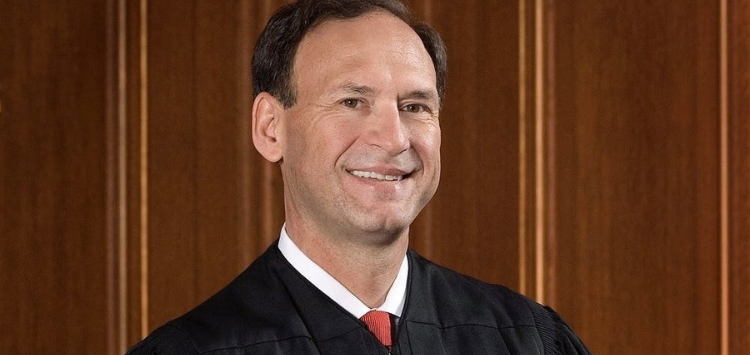
Justice Samuel Alito wrote the majority opinion, stating that such decisions fall within the Department of Homeland Security’s discretion under the statute.
The ruling reverses lower court blocks and aligns with the administration’s broader effort to scale back humanitarian immigration protections.
Ruling’s Immediate Effects
Approximately 330,000 to 350,000 Haitians and around 6,000 Syrians currently hold TPS. The program has shielded them from deportation due to ongoing violence, natural disasters, and instability in their home countries.
Haiti’s TPS designation dates back to 2010 following a devastating earthquake, while Syria received TPS protections in 2012 amid its civil war.
Also Read: Illegal Immigrants Targeted as Trump Officials Consider Habeas Corpus Suspension Proposal
The decision does not trigger immediate mass deportations. Affected individuals are expected to receive a wind-down period to arrange their affairs or seek alternative forms of immigration relief.
Many TPS holders work in essential sectors, including healthcare, construction, and service industries. Once the protections end, their work authorizations will be revoked, potentially exposing them to removal proceedings if they do not have another legal status.
The majority concluded that TPS statutes limit judicial review of the Homeland Security secretary’s assessments of country conditions and decisions to terminate protections.
Justice Samuel Alito emphasized that Congress granted the executive branch broad authority to designate and end TPS protections based on changing conditions in foreign countries.
The Court’s three liberal justices dissented, arguing that the administration failed to adequately consider updated evidence of dangerous conditions and did not follow proper procedures under the Administrative Procedure Act.
Lower courts had previously blocked the terminations, finding that the administration’s actions may have been arbitrary and lacked sufficient justification.
Reactions From Stakeholders
Immigrant advocacy groups condemned the decision, warning that it could lead to family separations and economic disruption in communities with large TPS populations.
Also Read: DHS Orders ICE Crackdown and Deportations of Illegal Immigrants Caught in Voting Controversy
Advocates also raised concerns about the safety of individuals who may be forced to return to countries still experiencing instability and violence.
Haitian and Syrian community leaders noted that many TPS holders have lived in the United States for more than a decade, have U.S.-born children, and are deeply rooted in their communities.
Administration officials welcomed the ruling, describing it as a restoration of executive authority over immigration policy.
They argued that TPS had been extended beyond its intended temporary purpose and maintained that conditions in Haiti and Syria no longer justified broad protections for all beneficiaries.
Officials also said the decision could support future reviews of TPS designations for other countries.