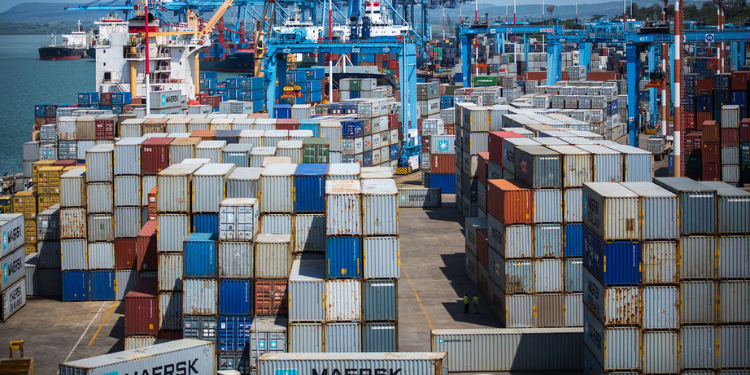
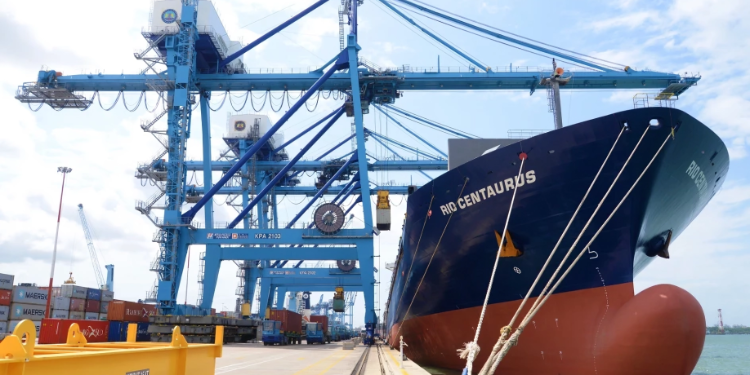
Kenyan businesses are set to continue facing higher shipping costs as tensions in the Middle East rise among the United States, Israel, and Iran.
Shipping charges have soared sharply, with charter fees rising from about $100,000 to $400,000, while insurance premiums have, in some cases, doubled due to the heightened risk.
Kenya Ships Agents Association Chief Executive Officer Elijah Mbaru said on March 18 that ships originally bound for the Middle East are now diverting cargo to safer ports.
The ongoing crisis at the Strait of Hormuz has forced many vessels to delay, reroute, or halt their journeys, pushing up shipping costs and disrupting key global trade routes.
“Ships now are opting to drop cargo that was destined to the Middle East in other safer ports, especially in Southeast Asia, and we have seen that some of the ports are already choked like Nehru Port; it’s at 65%. The charter fee has jumped from 100,000 USD to 400,000 USD,” Mbaru said.
Currently, over 3,200 vessels are stranded at the Strait of Hormuz, representing about 20 percent of global oil and cargo shipments.
Kenyan Business Hit With High Shipping Costs
Mbaru added that the surge in fees has left exporters of tea and coffee to the Middle East in limbo as they search for alternative markets.
Ships are now forced to take detours, sometimes extending their journeys by 10 to 14 days.
Additionally, some vessels have already suspended their voyages, causing delays in the arrival of cargo into the country.
Also Read: Global Oil Price Rise: What Kenyans Should Expect Ahead of the EPRA Review
How Businesses Have Been Affected
Reuters has reported that the war in the Middle East has slashed Kenyan meat exports to the region to below 5 percent of the expected levels during the peak Ramadan season.
The drop is driven by soaring air freight costs, which have delayed or grounded shipments.
According to Nicholas Ngahu, Chief Executive Officer of the Kenya Meat and Livestock Exporters, current exports are running at less than 15 percent of their normal levels.
Also Read: Shipping Chaos as Mombasa Port Strains to Clear Over 20‑Ship Queue
However, exporters of fresh chilled meat, including beef, lamb, mutton, and goat, can currently send only limited quantities to Abu Dhabi and Dubai, and shipments to other markets such as Oman, Kuwait, Bahrain, and Jordan have also been disrupted.
“We are doing below 15% of our normal exports, and now that it’s Ramadan, we are doing less than 5% of what we are supposed to be doing,” Ngahu said.
Director of Konza Clearing Agency, Dennis Muraya, said that most airlines serving the region have reduced operations, forcing exporters to rely on costly cargo charters to the UAE.
He added that freight costs, which normally range from $1 to $1.50 per kilogram, have now surged to $3 to $3.50 per kilogram, with airlines attributing the increase to higher insurance costs linked to the ongoing conflict.