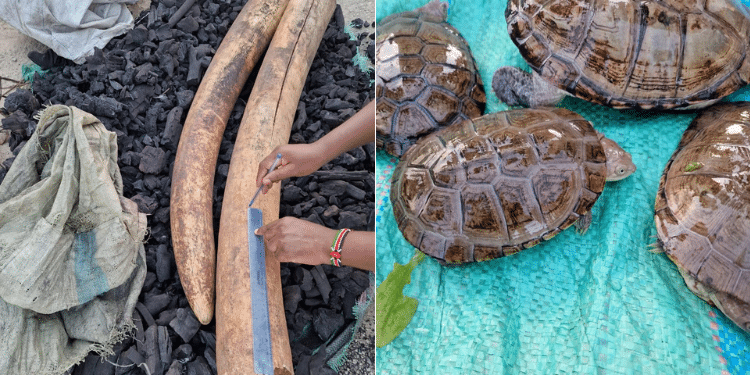
A new scientific study has raised concerns about the rapid growth in Kenya’s exports of captive-bred wildlife, especially live reptiles, over the past 10 years.
The Conservation study shows that more than 870,000 live animals listed under CITES were exported from Kenya between 2013 and 2023, with reptiles making up the largest share of the trade.
During this period, live reptile exports increased more than tenfold, rising from 8,551 animals in 2013 to 86,330 in 2023, showing a sharp rise in commercial wildlife trade.
Reptiles accounted for about 81 percent of all export records, mainly chameleons, lizards, and tortoises.
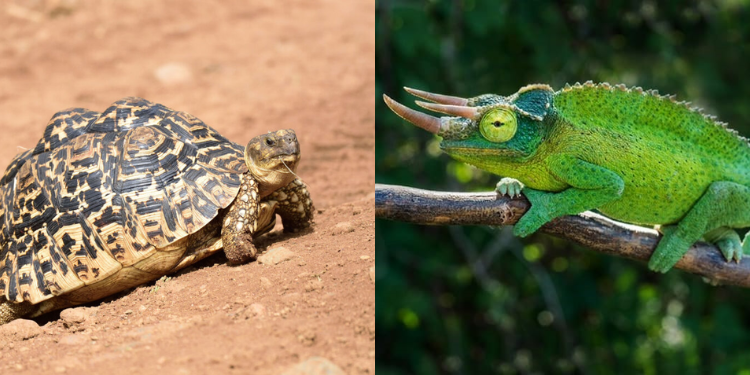
Frequently exported species included Jackson’s three-horned chameleon, Kenyan high-casqued chameleon, leopard tortoise, and pancake tortoise.
Kenya Sees Big Increase in Live Animal Exports
Research Manager at World Animal Protection Patrick Muinde said Kenya is experiencing a rapid increase in wildlife exports, especially reptiles, warning that the trend is deeply concerning.
He noted that most of the trade involves live animals, raising not only sustainability concerns but also ethical and public health questions.
“The ten-year trend is deeply concerning. Most of these exports involve live animals, making this far more than a question of numbers. It is cruel and raises questions about its sustainability,” Muinde said.
Most Exported Reptiles in Kenya (List)
The study data recorded trade entries or shipments for each reptile group and species that were actually reported.
| Reptile group/species | Export records |
|---|---|
| Sauria, mainly chameleons and lizards | 424 |
| Testudines, mainly tortoises | 259 |
| Leopard tortoise | 160 |
| Jackson’s three-horned chameleon | 143 |
| Kenyan high-casqued chameleon | 114 |
| Taita blade-horned chameleon | 85 |
| Elliot’s groove-throated chameleon | 78 |
| Pancake tortoise | 32 |
| Bell’s hinge-back tortoise | 30 |
| Speke’s hinge-back tortoise | 23 |
Also Read: Kenya Ranked Among Pakistan’s Top Five Export Markets
The second table shows the volume of animals involved in shipments.
| Species | Individuals exported, 2013–2023 |
|---|---|
| Leopard tortoise | 246,328 |
| Jackson’s three-horned chameleon | 105,767 |
| Kenyan high-casqued chameleon | 29,451 |
| Taita blade-horned chameleon | 21,389 |
| Elliot’s groove-throated chameleon | 17,159 |
Also Read: Middle East Crisis Threatens Kenya Trade, KSh 164.6B Exports at Risk
Why Reptiles Are Exported
According to the report, these species dominate exports largely due to international demand from the global pet and luxury wildlife markets, particularly for live reptiles such as chameleons and tortoises.
The study notes that leopard tortoises and several chameleon species are especially sought after in international pet trade markets, making them key drivers of the export volumes.
It further indicates that over 90 percent of the shipments were classified as commercial, suggesting the trade is primarily driven by business interests rather than non-commercial purposes.
The research also links the expansion of captive-bred and ranched wildlife exports to regulatory changes following the enactment of the Wildlife Conservation and Management Act of 2013, which may have facilitated higher production and trade volumes.
In addition, Kenya’s wildlife exports are distributed across a wide range of international markets, with major importing countries including the United States, Germany, Spain, Taiwan, and South Korea, reflecting sustained global demand.
Follow our WhatsApp Channel and X Account for real-time news updates.