
U.S President Donald Trump has pledged “very serious retaliation” following the deaths of two American soldiers and a civilian interpreter in an ISIS attack in Syria on Saturday, December 13, 2025.
The assault, which has also left three U.S troops injured, occurred in a volatile region of eastern Syria that President Donald Trump says remains contested despite years of military operations against the extremist group.
Trump Vows Revenge
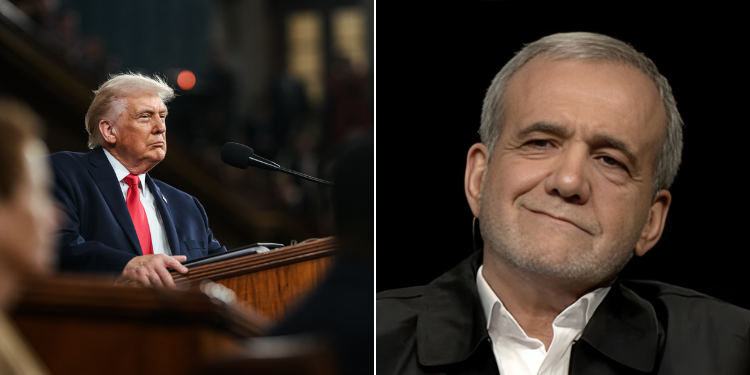
In a statement released through his official social media accounts on December 14, Trump mourned the loss of the soldiers and vowed to bring the culprits to justice through decisive and forceful retaliation and confirmed that the wounded soldiers are in stable condition.
“We mourn the loss of three Great American Patriots in Syria, two soldiers, and one Civilian Interpreter. Likewise, we pray for the three injured soldiers who, it has just been confirmed, are doing well.”
The attack is part of the persistent threat posed by ISIS remnants in Syria, despite the group’s territorial defeat in 2019.
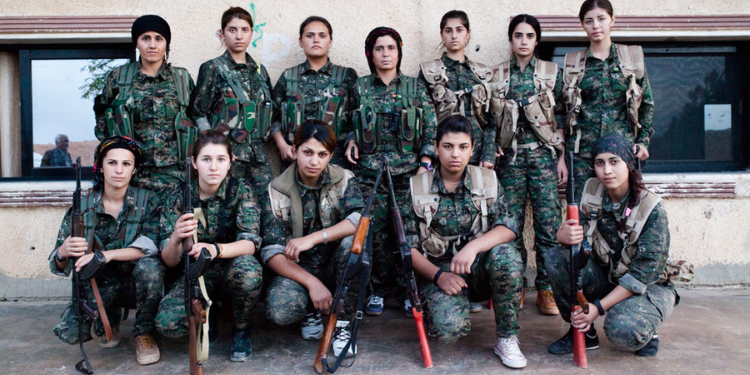
U.S forces, operating alongside local partners, have maintained a presence in the region to prevent a resurgence of the militant organization.
The latest strike targeted a joint U.S.-Syrian position in an area described by Trump as very dangerous and not fully controlled by Syrian authorities.
Syrian President Ahmed al-Sharaa has reportedly expressed outrage over the incident, echoing Trump’s condemnation of the attack.
“The President of Syria, Ahmed al-Sharaa, is extremely angry and disturbed by this attack. There will be very serious retaliation. Thank you for your attention to this matter.”
ISIS Resurgence
Despite losing its territorial stronghold in 2019, ISIS has demonstrated a concerning ability to regroup and adapt.
The organization now operates through sleeper cells and guerrilla tactics, exploiting security vacuums in Syria and Iraq.
Intelligence reports indicate that ISIS fighters are increasingly targeting military convoys and joint operations, as seen in the recent deadly strike on U.S forces.
U.S officials have stated that prison radicalization and breakouts have fueled recruitment, while illicit trade and extortion continue to finance ISIS operations.
Ongoing instability in Syria and Iraq, coupled with weak governance and fragmented control, has also provided fertile ground for ISIS to regroup.
Also Read: U.S Threatens South Sudan with Funding Cuts for Squandering Trump’s Billions
ISIS’s expansion into Africa and South Asia has further signaled the terrorist group’s global ambition, and the U.S cautions that without sustained counterterrorism efforts, ISIS could rebuild networks capable of planning and executing large-scale attacks.
U.S Military Presence in Syria
The United States has maintained a limited but strategically significant military presence in Syria for more than a decade, primarily focused on counterterrorism operations against ISIS.
Following the group’s territorial defeat in 2019, U.S forces have continued to operate mainly in eastern and northeastern Syria, working alongside local partners to prevent an ISIS resurgence, disrupt militant networks, and secure detention facilities holding thousands of suspected ISIS fighters.
Also Read: More Worries for Putin as Russian Military Aircraft Crashes in Sudan, All Crew Reported Dead
American troops are also involved in intelligence gathering, surveillance, and targeted operations aimed at destroying sleeper cells that remain active in remote and contested areas.
In recent years, the group has increasingly relied on ambushes, improvised explosive devices, and targeted assaults on patrols and joint positions, particularly in eastern Syria, where security control remains fragmented.
Despite repeated drawdown discussions, U.S administrations have argued that a sustained presence is necessary to deny ISIS the space to reorganize and to stabilize in a region marked by weak governance and ongoing conflict.
Follow our WhatsApp Channel and X Account for real-time news updates.